


Sign up for workout ideas, training advice, reviews of the latest gear and more.


Starting a fitness routine can feel overwhelming, especially if you’re new to exercise or returning after a long break. The good news is that you don’t need fancy equipment, a gym membership, or advanced training experience to get results. A 30-minute bodyweight workout for beginners is one of the most effective, accessible, and sustainable ways to build strength, improve mobility, and boost overall fitness—right from the comfort of your home.
This guide walks you through everything you need to know, from why bodyweight workouts are ideal for beginners to how to structure a safe and effective 30-minute routine. Whether your goal is weight loss, strength building, or simply moving more consistently, this workout format helps you build a solid foundation without unnecessary stress on your body.
A 30-minute workout strikes the perfect balance between efficiency and effectiveness, especially for beginners. It’s long enough to activate major muscle groups, elevate your heart rate, and encourage fat burning—yet short enough to fit into a busy schedule without feeling exhausting or intimidating.
Bodyweight workouts use your own weight as resistance, which naturally adapts to your strength level. This makes them safer for beginners while still being challenging enough to produce results. Since there’s no external load, you can focus on learning proper movement patterns, improving balance, and developing coordination before progressing to more advanced training styles.
Bodyweight exercises engage multiple muscle groups at once, helping beginners build functional strength. Movements like squats, push-ups, and lunges train your legs, core, and upper body simultaneously, making workouts more efficient and practical for everyday activities.
For beginners, joint safety is crucial. Bodyweight workouts can be modified to reduce impact, making them ideal for those with joint concerns or limited mobility. You control the range of motion, tempo, and intensity, allowing your body to adapt gradually.
Because bodyweight workouts are approachable and adaptable, beginners are more likely to stick with them. Consistency is the most important factor in long-term fitness success, and a manageable 30-minute routine helps you build confidence while establishing a sustainable habit.
This workout format is ideal for:
No matter your age or fitness background, bodyweight workouts can be adjusted to meet your needs and progress with you over time.
A well-structured workout ensures you maximize results while minimizing the risk of injury. The most effective 30-minute bodyweight workout includes three key phases: a warm-up, the main workout, and a cool-down.
The warm-up prepares your muscles, joints, and nervous system for exercise. It increases blood flow, improves mobility, and reduces injury risk. Beginners should focus on slow, controlled movements rather than rushing through this phase.
The main portion of the workout focuses on full-body strength and light cardio. Exercises should target major muscle groups, include rest as needed, and allow proper form throughout each movement.
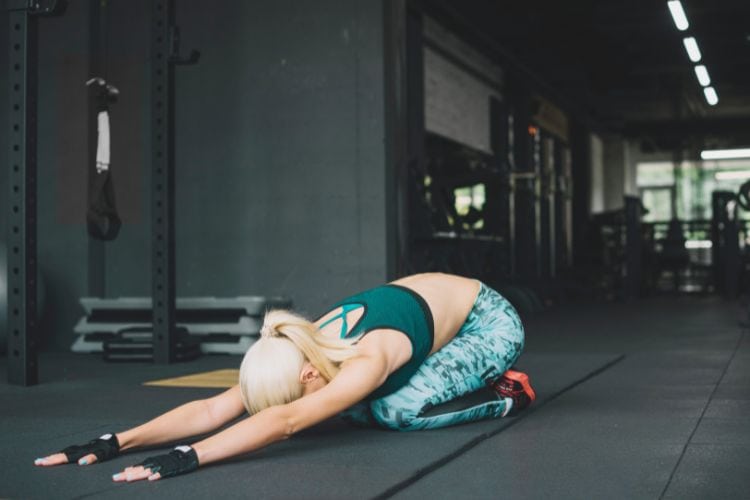
Cooling down helps your heart rate gradually return to normal while improving flexibility and reducing muscle soreness. Stretching at the end of your workout also supports recovery and long-term mobility.
A proper warm-up sets the tone for the entire workout. Each movement should be controlled and pain-free.
Marching in place gently raises your heart rate and warms up your legs. Focus on posture and steady breathing.
Arm circles loosen the shoulders and upper back, areas that often feel tight for beginners. Start with small circles and gradually increase the range of motion.
Hip circles improve mobility in the hips and lower back, preparing your body for squats and lunges.
This movement warms up the hamstrings and lower back while teaching proper hinge mechanics.
This workout uses simple, effective movements that can be modified to match your fitness level. Perform each exercise for 30–40 seconds, followed by 20–30 seconds of rest. Complete the circuit 2–3 times depending on your comfort level.
Squats strengthen the legs and glutes while engaging the core. Beginners should focus on controlled movement and comfortable depth rather than speed.
Push-ups target the chest, shoulders, arms, and core. Beginners can perform push-ups on their knees or against a wall to reduce difficulty while maintaining proper form.
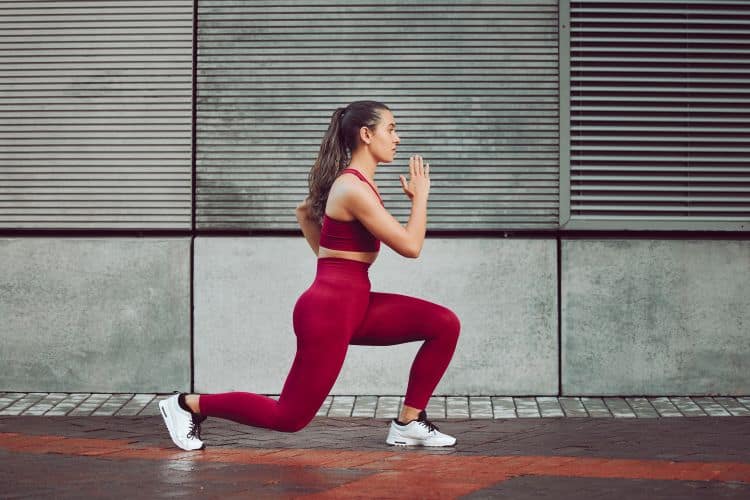
Lunges improve balance and leg strength. Step-back lunges are often easier for beginners and reduce knee strain.
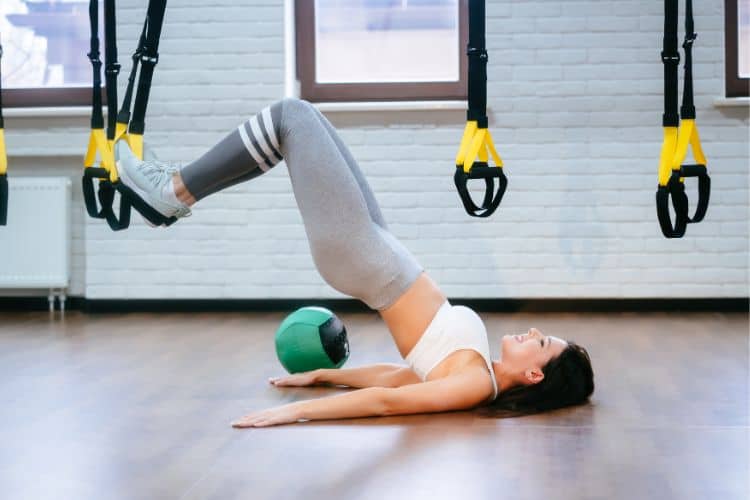
Glute bridges activate the glutes and strengthen the lower back. This exercise is excellent for beginners who sit for long periods.
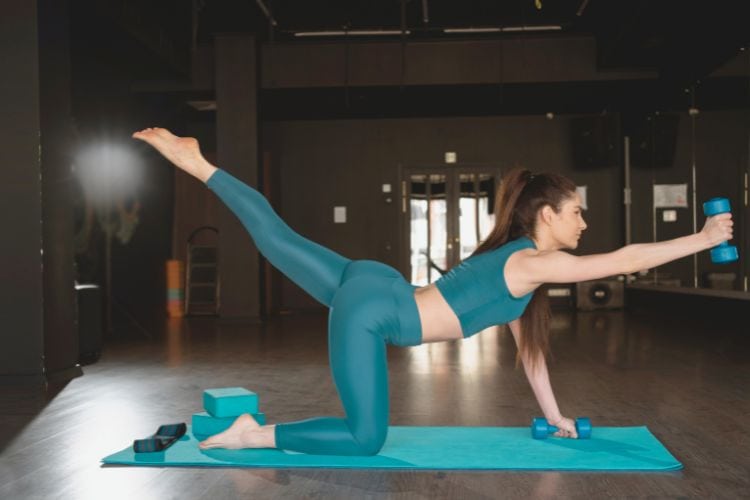
Shoulder taps build upper-body stability and core control without excessive strain. Perform them slowly to maintain balance.
Low-impact cardio movements keep your heart rate elevated without jumping, making them ideal for beginners.
If you’re brand new to exercise, it’s important to listen to your body and use modifications when needed. Shortening work intervals, increasing rest time, or reducing range of motion are all valid ways to adapt the workout.
Using a chair for balance, performing exercises against a wall, or completing fewer rounds can help you ease into a consistent routine without feeling overwhelmed.
Cooling down is just as important as warming up, especially for beginners.
This stretch relieves tension in the back of the legs and supports recovery.
Opening the chest helps counteract poor posture and releases tension built up during push-up movements.
A gentle spinal stretch improves flexibility and helps your body relax after exercise.
Finish your workout with slow, deep breathing to calm your nervous system and improve recovery.
Beginners can safely perform a 30-minute bodyweight workout 3 to 5 times per week. Rest days are essential for muscle recovery and long-term progress. On rest days, light activities such as walking or stretching can help keep your body moving without overtraining.
Consistency matters more than intensity when starting out. Focus on building a routine you can maintain rather than pushing yourself too hard too quickly.
One of the biggest mistakes beginners make is trying to progress too fast. Skipping warm-ups, using poor form, or exercising every day without rest can lead to burnout or injury.
Another common mistake is comparing yourself to others. Fitness is a personal journey, and progress looks different for everyone. Celebrate small improvements such as increased stamina, better balance, or improved confidence.
As your strength and endurance improve, you can gradually make your workouts more challenging. This might include increasing exercise duration, reducing rest time, adding more rounds, or incorporating more advanced bodyweight movements.
Progression should feel challenging but manageable. If you’re consistently completing workouts with good form and minimal fatigue, it’s a sign you’re ready to level up.
Bodyweight workouts help burn calories, build lean muscle, and improve metabolic health. Muscle tissue burns more calories at rest than fat tissue, meaning consistent strength training supports long-term weight management.
Beyond physical changes, regular exercise improves mood, energy levels, and mental clarity. For beginners, these benefits often appear before visible results, making workouts a powerful tool for overall well-being.
Motivation often comes and goes, especially at the beginning of a fitness journey. Setting realistic goals, tracking progress, and celebrating small wins can help you stay consistent.
Scheduling workouts at the same time each day, following structured routines, and reminding yourself why you started can also make a big difference.
A 30-minute bodyweight workout for beginners is one of the simplest and most effective ways to start building a healthier, stronger body. With no equipment required and endless modification options, this style of training meets you exactly where you are.
By focusing on consistency, proper form, and gradual progression, you can develop strength, confidence, and endurance without feeling overwhelmed. Whether your goal is weight loss, improved fitness, or simply moving more, this workout approach lays the foundation for long-term success.
Stick with it, stay patient, and remember—every workout you complete is a step toward a stronger, healthier you.
For more ways to maximize your 30-minute bodyweight training results, WomensFitClub.com offers a variety of beginner-friendly workout plans and guides to keep your fitness journey fresh and effective. After completing your 30-minute routine, you might enjoy this 30-Minute Low Impact Full Body Workout for Strength & Cardio to build endurance with gentle movements, or switch up your focus with our 30-Minute Strength and Cardio Workout for Full-Body Fat Burn for a blend of muscle training and calorie burn. If you’re curious about other bodyweight-oriented routines, check out the Beginners Guide to a 20-Minute Bodyweight Workout Routine for a shorter option or the 30-Minute Full Body Workout: Burn Fat, Build Muscle, Boost Energy for a classic no-equipment plan. To round out your fitness education, our Best Full Body Bodyweight Exercise For Women article shares key moves you can include in your daily routine for strength, tone, and better overall performance.
Stay up to date on the latest women’s health, fitness and lifestyle trends and tips.
