


Sign up for workout ideas, training advice, reviews of the latest gear and more.

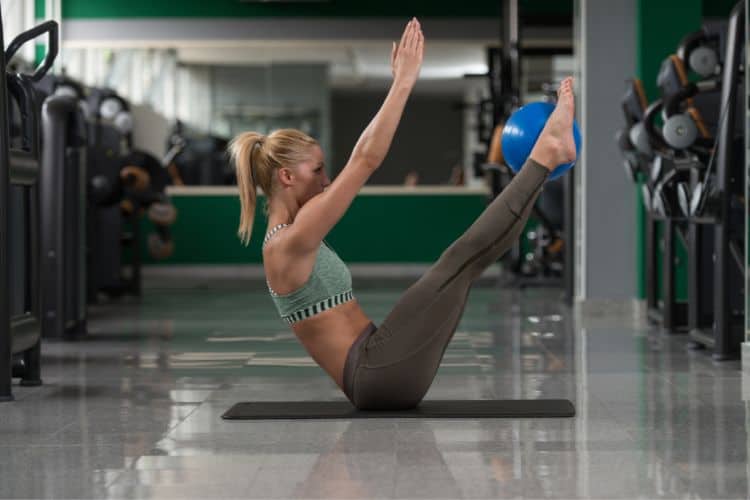
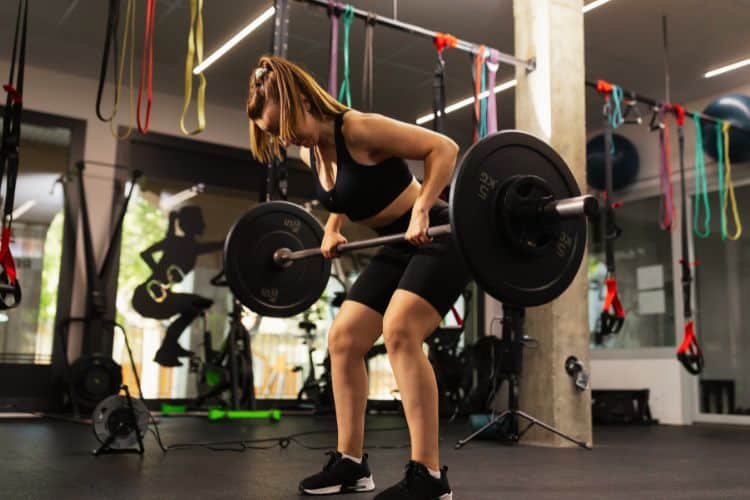

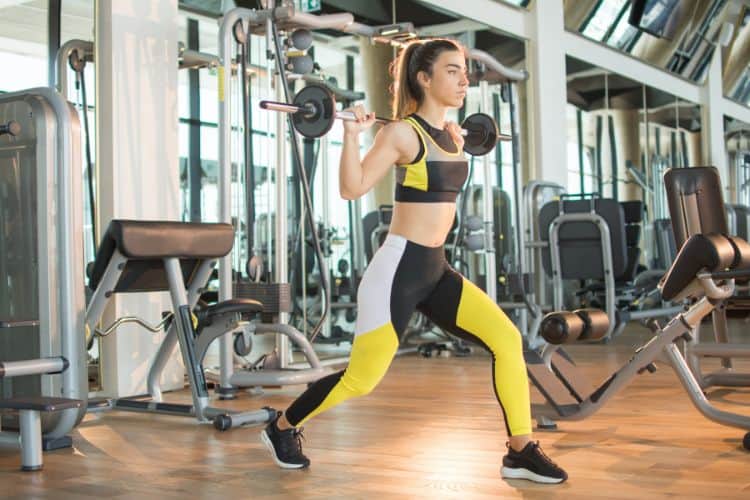

Aging brings incredible wisdom, resilience, and self-confidence — but it also brings new challenges that impact physical strength, joint mobility, balance, and overall daily function. For women over 40, maintaining independence, vitality, and energy becomes a top priority. One of the most essential parts of supporting lifelong health is understanding and improving the Basic Activity of Daily Living (ADLs) — the foundational functional movements that allow you to live your day with ease, comfort, and confidence.
This comprehensive guide breaks down what ADLs are, why they matter more after age 40, how they affect long-term mobility, and the simple exercises and habits women can implement today to age strong, prevent injury, and keep full independence for decades to come.
Activities of Daily Living (ADLs) are the fundamental tasks people must perform every day to take care of themselves. These are the essential building blocks of independent living and functional mobility. While ADLs often become a focus during aging or recovery, they are just as important for women entering their 40s, as this is the decade when muscle mass naturally declines, balance starts to decrease, and flexibility gradually reduces.
Basic ADLs include:
Each of these tasks relies on strength, flexibility, balance, coordination, endurance, and joint stability — all of which can decline without intentional training.
Women over 40 experience metabolic changes, hormonal shifts, and reduced muscle mass, making daily functional strength even more crucial. Here’s why maintaining ADLs becomes increasingly important:
Women begin losing 3–8% of muscle mass every decade after age 30, with a sharper decline after 40. Strong muscles are essential for getting up from the floor, carrying groceries, lifting laundry, or climbing stairs.
With perimenopause and menopause, declining estrogen accelerates bone loss — increasing risk of fractures and affecting balance. Strong ADL skills help reduce fall risk and protect bone health.
Stiff joints, tight hips, and reduced shoulder mobility can make daily tasks like reaching, bending, or getting dressed more difficult.
Women over 40 often focus on healthspan — the number of years lived in good health. Strong ADL ability is a predictor of longevity and independence.
Maintaining basic movement capacity helps avoid back pain, knee issues, and shoulder injuries caused by daily life strain.
Below is a deeper look at the six foundational ADLs, how they change with age, and the specific physical abilities required to perform them well as a woman over 40.
Bathing involves bending, reaching, balancing, lifting arms overhead, and sometimes standing on slippery surfaces. Grooming involves reaching, fine motor coordination, and upper-body mobility.
Bathing and grooming represent self-care and independence. Maintaining mobility in the shoulders, hips, wrists, and core ensures ease and safety.
Dressing requires hip mobility, shoulder flexibility, grip strength, balance, and coordination.
Being able to dress without strain or help is a critical marker of functional independence.
Transferring refers to the ability to move from one surface to another — for example:
Mobility and transferring impact every part of daily life. Poor mobility increases fall risk and significantly reduces independence.
This includes getting to the bathroom, sitting, standing, cleaning, and managing clothing.
Weak lower-body muscles can make sitting and rising more difficult, while stiff hips make twisting or bending harder.
Feeding may seem simple, but it requires:
Dexterity may decline slightly, especially with early arthritis or repetitive strain, affecting grip and coordination.
Being able to walk easily — even short distances — is heavily linked to longevity.
Slower walking pace, shuffling, reduced stride length, and low endurance are all common after 40.
The best way to strengthen ADLs is through functional training — exercises that mimic real-life movements and build mobility, balance, strength, and coordination. Below is a complete guide of ADL-focused exercises that support independence and long-term mobility.
These exercises intentionally support each ADL category and can be done at home with minimal equipment.
Squats strengthen:
They mimic everyday movements like sitting, standing, and lifting.
How to do it:
Stand with feet shoulder-width apart, bend knees, push hips back, and lower into a controlled squat. Stand back up with heels grounded.
Step-ups build unilateral (one-leg) strength necessary for climbing stairs and stepping into cars.
How to do it:
Step onto a sturdy platform, drive through the heel, and lift the body upward. Step back down with control.
Perfect for strengthening hips, lower back, and glutes — essential for walking and transferring.
How to do it:
Lie on your back, bend knees, and lift hips upward while squeezing glutes.
These help improve range of motion for reaching behind your back or overhead.
Use dumbbells or household objects. This strengthens grip, core, posture, and shoulder stability.
Examples include:
Strengthening balance prevents falls, one of the biggest risks for women over 40.
Increasing flexibility helps with bending, reaching feet, and maintaining stride length.
Use stress balls, grip trainers, or towel squeezes to improve fine motor skills.
ADL strength doesn’t depend solely on exercise. Daily lifestyle habits play a major role in how well your body moves and recovers.
Joint lubrication, muscle recovery, and energy levels all decline without proper hydration.
Women over 40 should aim for 0.7–1.0 grams of protein per pound of goal body weight, especially to combat muscle loss.
Sitting stiffens hips and reduces balance over time. Small movement breaks improve mobility.
Good posture reduces back pain and improves breathing, mobility, and energy.
Rest supports muscle recovery, hormonal balance, and energy for daily tasks.
Maintaining strong ADLs is one of the biggest predictors of long-term independence.
Women who consistently train functional mobility in their 40s are better prepared for the natural changes that come with aging.
This routine helps maintain essential movements and prevent mobility decline.
Repeat daily or as a warm-up before workouts.
Here are early warning signs:
If any of these sound familiar, strengthening ADLs should become a priority.
See a physical therapist or medical professional if:
Early intervention helps women over 40 maintain independence.
For women over 40, Basic Activity of Daily Living aren’t just routine movements — they are the foundation of long-term wellness, independence, and vibrant aging. Strengthening your mobility, balance, posture, flexibility, and functional strength is the most powerful thing you can do to support a strong future self.
By integrating simple functional exercises, daily movement habits, and mobility training, you can feel younger, move better, and protect your independence long into the future.
If you’re looking to build strength, mobility, and confidence for everyday movements, you might also enjoy exploring other posts at WomensFitClub.com for more focused routines and lifestyle tips: check out the efficient [“10-Minute Full Body Kettlebell Workout for a Full Body Transformation“] for quick strength and calorie-burning sessions, try the [“3-Day Dumbbell Workout Plan: 30-Minute Full Body Training Guide“] to build functional strength without spending hours in the gym, read our [“Best Full Body Fat Loss Workout For Women“] for a balanced fat-burn and muscle-tone plan, discover versatility with the [“20-Minute Full Body Compound Workout for Maximum Results“] — perfect for maintaining mobility.
Stay up to date on the latest women’s health, fitness and lifestyle trends and tips.
