


Sign up for workout ideas, training advice, reviews of the latest gear and more.

Staying strong, energized, and mobile after 50 doesn’t require hours in the gym—sometimes all you need is 10 minutes, a pair of dumbbells, and a simple full-body routine designed to fire up your muscles and boost your metabolism. A structured 10-minute over 50 dumbbell workout can deliver powerful benefits, including increased bone density, better balance, improved strength, and long-lasting fat burn. For women over 50, short and efficient strength-based workouts are one of the most effective ways to maintain muscle mass, protect joints, and support healthy aging without overwhelming the body. This guide walks you through an accessible yet highly effective dumbbell routine you can do at home, plus expert tips to keep you safe, confident, and progressing at your own pace.
A 10-minute workout may seem quick, but research shows that short bursts of resistance training deliver impressive benefits—especially for women entering midlife and beyond. Strength naturally declines with age, but targeted dumbbell exercises slow down this process dramatically. Shorter workouts are also ideal for days when you want something fast, efficient, and sustainable. They support consistency without causing burnout, making them easier to maintain long-term.
Additionally, dumbbells offer a low-impact way to challenge the entire body without stressing sensitive joints. For women over 50, this balance of effort and gentleness is key. You get enough resistance to strengthen muscles, increase bone density, and improve mobility—but without the high-impact movements that may feel uncomfortable. Whether you’re just restarting your fitness journey or looking for a quick routine to add to your weekly schedule, this workout gives you all the benefits of strength training in a simple, accessible format.
Strength training with dumbbells is one of the most powerful tools for supporting health after 50. Here are the top benefits you’ll gain from this 10-minute routine:
Muscle is metabolically active, which means it burns calories even at rest. When you perform full-body dumbbell exercises, your metabolism increases, leading to improved fat loss and better energy throughout the day.
Women over 50 face a greater risk of osteoporosis and bone loss. Exercises like squats, rows, and overhead presses apply gentle stress to the bones, signaling them to grow stronger.
Strengthening muscle groups like the core, glutes, and legs helps prevent falls—a top concern for aging adults. Dumbbell movements reinforce balance and stability, promoting better posture and body control.
Strength training positively influences hormone balance in women over 50, including improved insulin sensitivity and reduced cortisol levels. This can help manage weight, stress, and inflammation.
Stronger muscles make everyday tasks—lifting groceries, climbing stairs, carrying laundry—much easier. A short full-body workout directly translates into improved quality of life.
Before starting the workout, it’s essential to wake up your joints and increase circulation to prevent injury. Here’s a simple 1-minute warm-up routine:
This warm-up preps your shoulders, hips, and spine, ensuring your body is ready for safe movement.
This routine includes six exercises performed back-to-back. Work for 40 seconds, rest for 20 seconds, then move to the next exercise. Choose weights that feel manageable but still challenging by the last 10 seconds of each interval. Light to moderate dumbbells (5–12 lbs) work best for this age group.
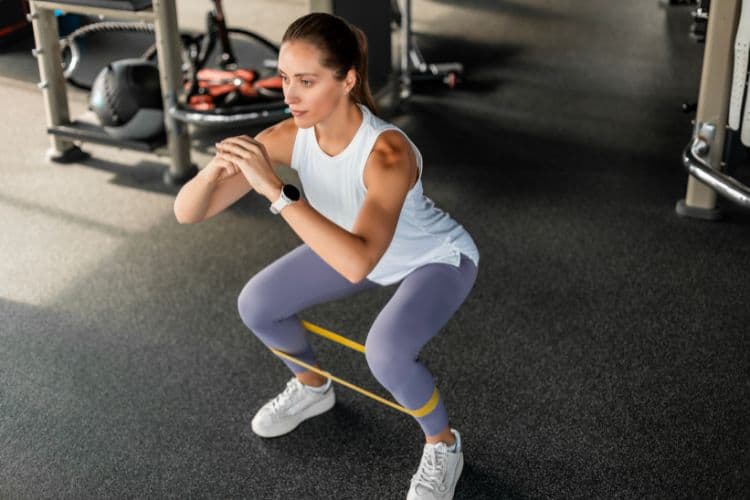
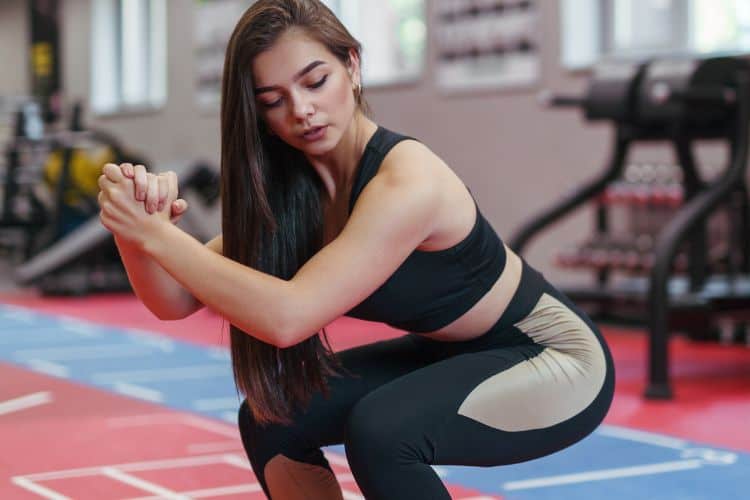
The squat press is a powerhouse move that strengthens the legs, glutes, shoulders, and core all in one fluid motion. It’s perfect for women over 50 because it reinforces mobility in the hips and stability in the upper body.
To do it, stand with your feet shoulder-width apart and hold dumbbells at shoulder height. Lower into a squat while keeping your chest lifted. As you stand, press the dumbbells overhead. Repeat at a comfortable pace. This move improves posture, supports joint health, and builds functional strength.
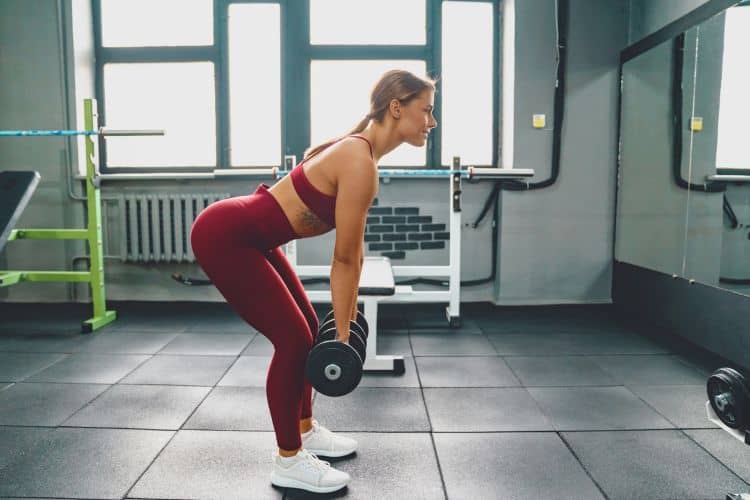
Back strength is crucial as you age, especially for posture and spine support. The bent-over row targets the upper back, rear shoulders, and biceps, helping to combat rounded shoulders and neck strain.
Hinge forward with a flat back, dumbbells hanging down, palms facing in. Pull the dumbbells toward your ribcage, squeezing the shoulder blades. Lower with control. This exercise strengthens the muscles needed for lifting, reaching, and holding good alignment.
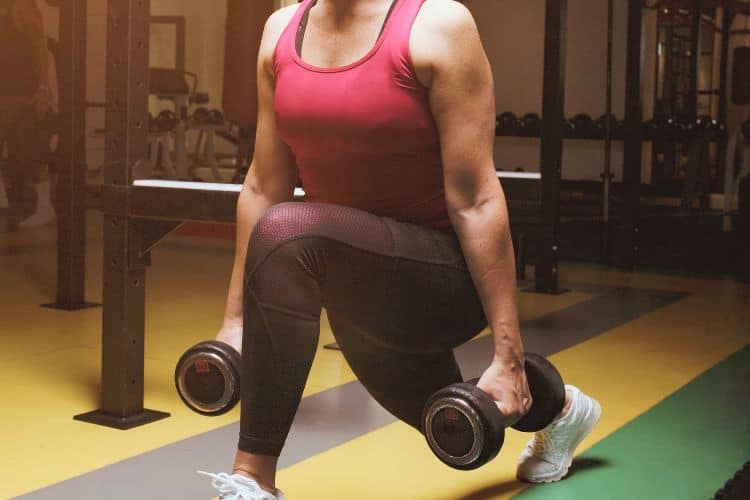
Lunges are excellent for developing lower-body strength and improving balance—an essential skill after 50. If lunges are uncomfortable, you can modify by doing stationary split squats.
To perform, hold dumbbells at your sides and step one foot back into a reverse lunge. Lower gently, keeping your front knee aligned with your toes. Push through your front heel to return to standing. Alternate legs throughout the interval. This move builds strong glutes and quads while supporting joint stability.
Upper-body strength reduces shoulder weakness, supports posture, and improves daily functional movements. If you don’t have a bench, you can perform this exercise on the floor.
Lie on your back, knees bent, dumbbells held at chest level. Press the weights upward until your arms are straight, keeping your wrists aligned. Lower slowly. This exercise strengthens the chest, triceps, and shoulders, making everyday tasks like pushing open doors much easier.
The dumbbell deadlift is a safe and effective way for women over 50 to strengthen their posterior chain, which includes the glutes, hamstrings, and lower back. It promotes better mobility, protects the spine, and boosts functional strength.
Stand with dumbbells in front of your thighs. Hinge at the hips, keeping your back straight and knees slightly bent. Lower the weights toward your shins, then drive through your heels to stand. Focus on form, not speed. This move improves back health, stability, and posture.
The halo exercise challenges shoulder mobility and core strength, both of which are vital for women over 50. It also helps keep the upper body limber and reduces stiffness.
Hold one dumbbell by the ends and circle it around your head like a halo—slow and controlled. Switch directions halfway through. This move improves shoulder health and maintains functional range of motion.
After completing your workout, take a minute to stretch your major muscle groups. Focus on slow breaths and gentle movements to ease the body back into a resting state.
Cooling down helps your muscles recover and keeps joints flexible.
This 10-minute dumbbell routine can be done 3–5 days per week, depending on your fitness level. Because it’s low-impact and uses moderate weights, it won’t overly fatigue your system. You can also pair it with walking, yoga, Pilates, or low-impact cardio for a balanced weekly routine.
Consistency is more important than intensity. Even 10 minutes a day of resistance training can lead to visible improvements in strength, posture, and energy within a few weeks.
Safety and smart progression are key. Here’s how to get the most out of your workouts while protecting your joints:
Use weights that allow you to maintain good form. When the last 5–10 seconds of each interval feel challenging but not painful, you’re using the right load.
Controlled movement engages muscles better and reduces the risk of injury.
Mild muscle fatigue is normal, but sharp pain is not. Modify exercises anytime you need to.
Hydration supports joint cushioning and post-workout recovery.
Exhale during exertion and inhale during relaxation to optimize muscle performance.
Whether you’re new to strength training or already comfortable with dumbbells, this workout is adaptable. Beginners can use lighter weights, perform fewer reps, or remove overhead movements if needed. More advanced women can increase dumbbell weight, tighten rest periods, or repeat the circuit twice for a 20-minute challenge.
The low-impact nature of these exercises protects your joints while still delivering a powerful full-body burn. It’s an ideal workout to support longevity, energy, mobility, and independence—no matter your fitness level.
A 10-minute over 50 full-body dumbbell routine may be short, but when done consistently, it builds strength, boosts confidence, and enhances long-term well-being. For women over 50, this type of training is not just beneficial—it’s essential. Strength training helps combat age-related muscle loss, supports healthy bones, improves balance, and keeps your body functioning at its best.
You don’t need hours. complicated equipment. You only need commitment, smart exercise selection, and a few minutes each day. This workout gives you everything you need to stay fit, strong, and empowered on your wellness journey.
This 10-minute dumbbell routine pairs perfectly with many of the other workouts and fitness tips we offer at WomensFitClub. If you enjoy this quick full-body plan, check out our longer strength routines like our 25‑Min Full Body Dumbbell Workout for a Lean Strong Body and the Best Dumbbell Workout for Women Over 50 to Build Strength for deeper muscle development. For balanced fitness beyond weights, our 15‑Minute Full Body Flexibility Workout Routine (Do It Anywhere) is great on active recovery days. And if you’re mindful of nutrition while training, our A Healthy Meal Plans For Weight Loss guide helps support muscle maintenance and fat loss. Together these resources create a well-rounded fitness and wellness plan for women over 50.
Stay up to date on the latest women’s health, fitness and lifestyle trends and tips.
