


Sign up for workout ideas, training advice, reviews of the latest gear and more.

Finding time to work out can feel overwhelming—especially if you’re new to strength training. The good news? You don’t need long gym sessions or complicated routines to build strength, burn calories, and feel confident in your body. A 15 minute beginner full body dumbbell workout is more than enough to kickstart results when done consistently and with proper form.
This beginner-friendly workout is designed to target your entire body in just 15 minutes using only dumbbells. It’s ideal for home workouts, busy schedules, and anyone starting their fitness journey who wants a simple, structured, and effective routine.
Short workouts often get underestimated, but research and real-world results show that brief, focused strength sessions can deliver powerful benefits—especially for beginners.
A full body dumbbell workout in 15 minutes allows you to:
For beginners, shorter workouts also reduce soreness and lower the risk of injury while helping you develop proper movement patterns.
This workout is ideal if you:
You only need one set of dumbbells and a small space to get started.
A true full body workout targets both upper and lower body muscles, as well as the core. This 15-minute routine works:
By combining compound movements with beginner-friendly exercises, you’ll get balanced strength without overcomplicating things.
One of the most common beginner mistakes is using weights that are either too heavy or too light.
For most beginners:
Remember, proper form matters more than heavy weight—especially when you’re just starting.
A short warm-up prepares your muscles and joints for movement and reduces injury risk.
Once your body feels warm and mobile, you’re ready to begin the workout.
This workout uses a circuit format, which means you’ll move from one exercise to the next with minimal rest. This keeps the workout efficient and beginner-friendly.
Muscles worked: glutes, quads, core
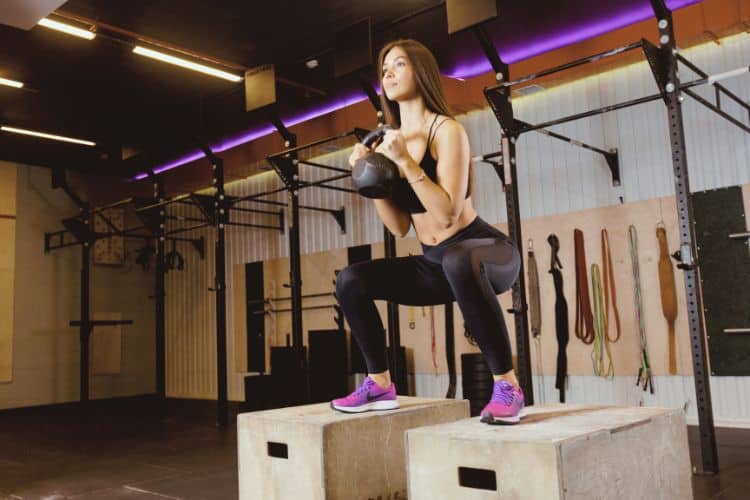
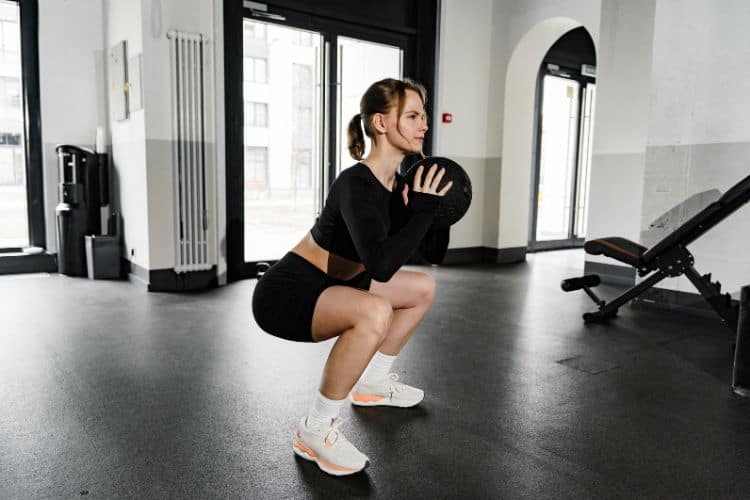
Hold one dumbbell vertically at chest height with both hands. Sit your hips back and lower into a squat, keeping your chest upright. Push through your heels to stand.
This movement builds lower-body strength while teaching proper squat form.
Muscles worked: chest, shoulders, triceps
Lie on the floor with a dumbbell in each hand, elbows bent and resting on the ground. Press the dumbbells straight up until arms are extended, then lower slowly.
Floor presses are excellent for beginners because they limit range of motion and protect the shoulders.
Muscles worked: back, biceps, core
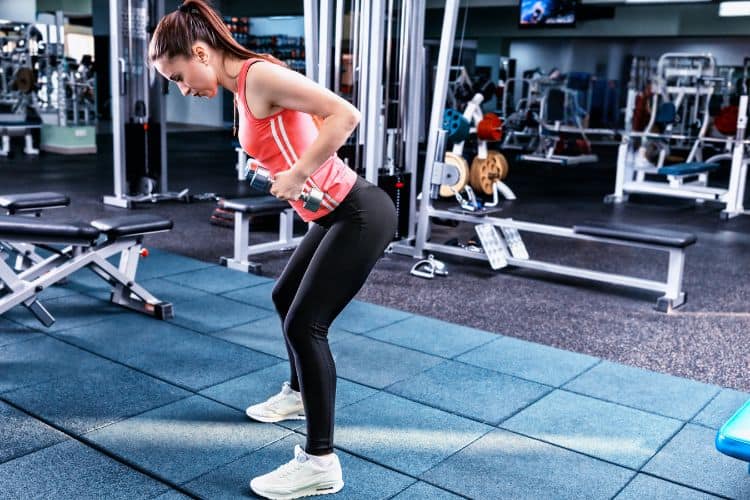
Hold dumbbells at your sides, hinge forward at the hips, and keep your back flat. Pull the dumbbells toward your ribs, squeezing your shoulder blades together.
This exercise improves posture and balances upper-body strength.
Muscles worked: hamstrings, glutes, lower back
Hold dumbbells in front of your thighs. Hinge at the hips while keeping a slight bend in your knees. Lower the weights until you feel a stretch in your hamstrings, then stand tall.
This movement strengthens the posterior chain and teaches proper hip hinge mechanics.
Muscles worked: shoulders, triceps
Hold dumbbells at shoulder height with palms facing forward. Press the weights overhead until arms are fully extended, then lower with control.
You can perform this seated or standing depending on comfort and balance.
Muscles worked: core, hips, grip
Hold one or two dumbbells and slowly march in place, keeping your core engaged and posture tall. This simple movement builds core stability and coordination.
Cooling down helps your muscles recover and reduces stiffness.
Stretch slowly and avoid bouncing.
Consistency matters more than intensity when you’re starting out.
As strength improves, you can increase weight, reps, or rounds.
Even short workouts can improve muscle tone and functional strength when compound movements are used.
Strength training helps increase calorie burn both during and after your workout.
Learning basic dumbbell exercises builds confidence and sets a foundation for more advanced training.
Perfect for busy schedules, lunch breaks, or quick home workouts.
Cold muscles are more prone to injury.
Start light and focus on technique.
Slow, controlled movements produce better results.
Rest days are essential for progress.
Once the workout feels easier, you can:
Progress gradually to avoid plateaus and injuries.
Yes—especially when combined with consistency and healthy nutrition. Strength training helps preserve muscle while burning calories, which supports sustainable fat loss over time.
For best results, pair this workout with:
Dumbbells:
They’re one of the best tools for beginners training at home.
You don’t need long workouts, complicated programs, or a gym membership to build strength. A 15 minute beginner full body dumbbell workout is simple, effective, and sustainable—especially when done consistently.
Whether you’re just starting your fitness journey or getting back into routine, this short workout helps you build confidence, strength, and healthy habits without feeling overwhelmed.
Start small, stay consistent, and let progress follow.
If you’re enjoying this 15-Minute Beginner Full Body Dumbbell Workout, you may also love exploring other quick and effective routines inside the Women’s Fit Club workout library. For days when you want a little more structure, our 30-Minute Full Body Dumbbell Workout Plan is a great next step. Beginners who prefer shorter sessions can pair this workout with our 5-Minute Full Body Dumbbell Workout for added consistency. To build strength safely over time, check out our Beginner Strength Training Plan For Women or explore our At-Home Workout Routines For Women for flexible options that fit any schedule. You can also browse the full Women’s Fit Club fitness archive to find workouts that match your goals, time, and fitness level.
Stay up to date on the latest women’s health, fitness and lifestyle trends and tips.
