


Sign up for workout ideas, training advice, reviews of the latest gear and more.
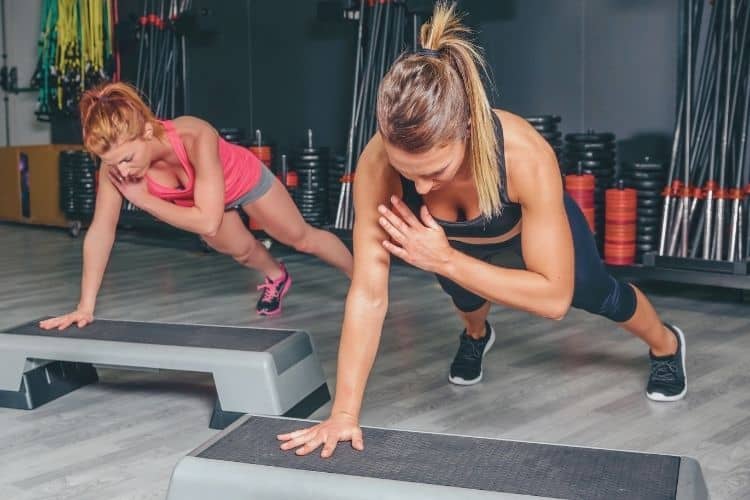
A strong, sculpted lower body doesn’t require hours in the gym or heavy barbells. With the right exercise selection, tempo, and intensity, a 15-minute weight plate booty workout can effectively activate, strengthen, and shape your glutes while fitting seamlessly into even the busiest schedule. Whether you’re training at home or in the gym, weight plates offer a simple yet powerful tool for glute-focused strength training.
This guide breaks down everything you need to know about building a rounder, firmer backside using just a weight plate and 15 minutes of focused effort. You’ll learn how to structure the workout, why plate training is so effective for glute development, how to modify intensity, and how to incorporate this routine into your weekly fitness plan.
Short workouts are often underestimated, but when programmed correctly, they can deliver impressive results. A 15-minute booty workout with weight plates emphasizes continuous tension, controlled movement, and minimal rest. This combination creates the perfect environment for glute activation and muscle fatigue.
Weight plates add resistance without the bulk of dumbbells or barbells, making them ideal for unilateral work, goblet-style movements, and controlled tempo exercises. Because plates are easy to grip and versatile, they allow you to move smoothly between exercises without wasting time.
For women looking to build strength, improve muscle tone, and enhance lower-body shape, this type of workout is both time-efficient and highly effective.
A focused glute workout doesn’t just isolate one muscle. Instead, it trains multiple muscle groups that work together to create strength, stability, and shape.
The largest muscle in the lower body, responsible for hip extension and the primary driver of power in squats, thrusts, and bridges.
Located on the outer hip, this muscle supports lateral movement, balance, and pelvic stability.
A deeper stabilizing muscle that assists with hip rotation and alignment.
Hamstrings, quadriceps, adductors, calves, and core muscles all play a supporting role during weighted lower-body movements.
Training with weight plates offers several unique advantages compared to traditional dumbbells or machines.
Weight plates encourage a more natural range of motion, especially in goblet squats and hip bridges. Their flat shape allows for easier placement on the hips or chest, making them ideal for glute-dominant movements.
Plate workouts also enhance grip strength, core engagement, and coordination. Because plates are often lighter than barbells, they allow you to focus on tempo, muscle activation, and mind-muscle connection rather than simply moving heavy weight.
Warming up is essential for maximizing glute activation and preventing injury. A proper warm-up increases blood flow, improves mobility, and primes your muscles for work.
Spend 3–5 minutes performing bodyweight movements such as glute bridges, hip circles, squats, and lateral lunges. Focus on slow, controlled reps and squeezing the glutes at the top of each movement.
This short preparation makes your 15-minute workout significantly more effective.
The most efficient way to structure a short glute workout is through circuits or timed intervals. This approach keeps your heart rate elevated while maintaining constant muscle tension.
Perform each exercise back-to-back with minimal rest. Complete 2–3 total rounds depending on your fitness level.
Rest for 30–45 seconds between rounds if needed.
Holding the plate close to your chest shifts the load to your glutes and encourages proper squat depth. Keep your chest tall, push your knees outward, and drive through your heels.
This exercise builds glute mass while also strengthening the quads and core.
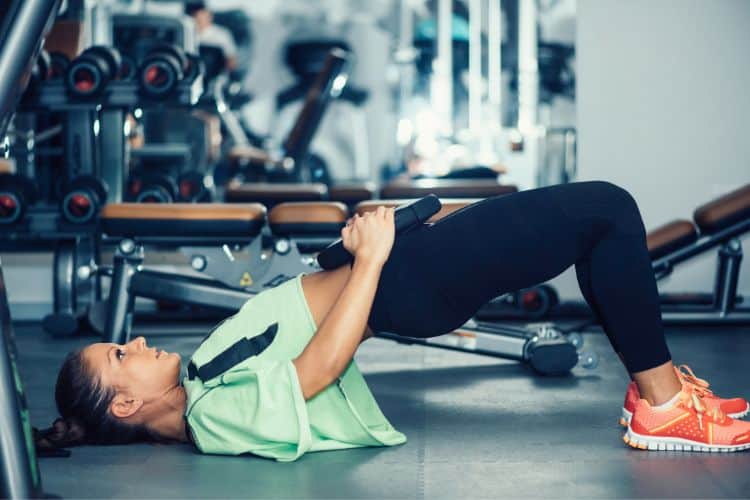
Place the weight plate across your hips and sit with your upper back supported on a bench or mat. Drive your hips upward, squeezing your glutes hard at the top.
Hip thrusts are one of the most effective exercises for glute growth and shape.
A wide stance and toes turned outward increase inner-thigh and glute engagement. Hold the plate with both hands and lower slowly, keeping tension in your glutes throughout the movement.
Holding a plate at chest level or overhead challenges your balance and activates the glutes more than forward lunges. Step back rather than forward to reduce knee strain and increase glute emphasis.
Lying on your back with the plate resting on your hips, lift your hips toward the ceiling and pause at the top. This constant tension maximizes glute activation in a short time.
This routine is designed to be fast, effective, and scalable.
Weight Plate Goblet Squats – 15 reps
Hip Thrusts With Plate – 15 reps
Sumo Squats – 12–15 reps
Reverse Lunges – 10 reps per leg
Glute Bridges With Plate – 20 reps
Move continuously with minimal rest to keep your muscles under tension.
Choosing the right weight is crucial for results. Beginners may start with a 10–15 lb plate, while intermediate and advanced lifters may use 25–45 lb plates depending on the exercise.
You should feel challenged by the last few reps of each set while still maintaining good form. If you can complete all reps easily, increase the weight or slow down the tempo.
Tempo plays a major role in glute development. Lower the weight slowly for 2–3 seconds and squeeze at the top of each movement for 1–2 seconds.
This increased time under tension stimulates muscle fibers more effectively than rushing through reps. Focus on feeling your glutes working rather than simply moving the plate.
If you’re new to weight plate training, reduce the number of reps or rounds. You can also perform exercises without weight first to master proper movement patterns.
Rest as needed between exercises and focus on quality over quantity.
Advanced lifters can increase intensity by adding pauses, single-leg variations, or drop sets. Holding the plate overhead during squats or lunges also increases core and glute engagement.
You can also perform the workout as an AMRAP (as many rounds as possible) within 15 minutes for a metabolic challenge.
For best results, perform this workout 2–4 times per week. It can be used as a standalone session, a warm-up before leg day, or a finisher after a full-body workout.
Consistency is key. Short workouts performed regularly often outperform longer sessions done inconsistently.
Absolutely. Muscle growth depends on mechanical tension, metabolic stress, and progressive overload—not workout length.
A focused 15-minute weight plate booty workout checks all these boxes when performed with intention, proper load, and good form.
This workout also supports fat loss by increasing calorie burn and elevating your heart rate. Compound lower-body exercises recruit large muscle groups, boosting metabolic demand during and after the workout.
When combined with balanced nutrition and regular training, this routine helps create a lean, lifted lower body.
Rushing through reps reduces muscle activation and increases injury risk. Using too light or too heavy a plate can also limit results.
Avoid arching your lower back during hip thrusts and bridges. Focus on glute contraction rather than lower-back extension.
This booty workout pairs well with upper-body strength days, HIIT sessions, or low-impact cardio. You can also alternate it with dumbbell or kettlebell glute workouts for variety and balanced development.
A 15-minute weight plate booty workout proves that effective training doesn’t have to be long or complicated. With minimal equipment and a focused approach, you can strengthen your glutes, improve lower-body tone, and build confidence in your movement.
By prioritizing proper form, progressive overload, and consistency, this short workout becomes a powerful tool in your fitness routine. Whether you’re training at home or in the gym, weight plates offer a simple yet effective way to sculpt and strengthen your glutes—one focused session at a time.
If you’re building a stronger, more sculpted lower body, this 15-minute weight plate booty workout pairs perfectly with other glute-focused routines on Women’s Fit Club. You can alternate this workout with our 20-Minute Dumbbell Glute Workout for added resistance variety, or stack it with the 15-Minute Dumbbell Leg Workout to create a longer lower-body session. On days when you want a faster burn, the Best 30 Minute Dumbbell Glute Workout for Women is an excellent finisher. For a different training stimulus, rotate this routine with our Kettlebell Squat Workout Building Glutes Legs And Core, or incorporate it into a balanced weekly plan alongside the 15-Minute Full Body Weight Plate Workout for total-body strength and muscle tone.
Stay up to date on the latest women’s health, fitness and lifestyle trends and tips.
