


Sign up for workout ideas, training advice, reviews of the latest gear and more.


Finding time to work out can feel overwhelming, especially when life is busy. The good news? You don’t need an hour at the gym to see real results. A 15-minute full body resistance workout can effectively build strength, burn calories, and improve overall fitness when done with intention and proper structure. Whether you’re short on time, working out at home, or looking for an efficient routine that fits into a packed schedule, this workout format delivers maximum benefits in minimal time.
In this guide, you’ll learn exactly how a 15-minute resistance workout works, why it’s so effective, and how to structure your sessions for strength, fat loss, and total-body conditioning. This SEO-optimized, science-backed article is designed to help beginners and experienced exercisers alike get stronger in less time.
A 15-minute full body resistance workout is a short, high-efficiency training session that targets all major muscle groups using resistance. Resistance can come from your own body weight, dumbbells, resistance bands, kettlebells, or barbells, depending on your fitness level and equipment access.
Instead of isolating one muscle group, full body resistance workouts use compound movements that work multiple muscles at once. This approach maximizes calorie burn, builds functional strength, and improves muscular endurance in a fraction of the time of traditional workouts.
Because the workout is brief, intensity matters. Exercises are often performed in circuits, supersets, or timed intervals to keep your heart rate elevated while challenging your muscles.
Many people assume longer workouts are better, but research consistently shows that short, focused resistance training sessions can be just as effective when intensity and exercise selection are optimized.
Here’s why 15 minutes works:
For busy women, parents, professionals, and beginners, a 15-minute full body resistance workout removes barriers to consistency while still delivering results.
Resistance training challenges muscles to adapt and grow stronger. Even short sessions stimulate muscle fibers when exercises are chosen strategically. Over time, this leads to increased strength, better posture, and improved functional movement.
Full body resistance workouts elevate your heart rate and create a higher post-exercise calorie burn. This metabolic effect helps support fat loss, especially when combined with proper nutrition and consistency.
One of the biggest benefits is efficiency. A 15-minute workout can be done at home, during a lunch break, or first thing in the morning. No commute, no wasted time, and no long recovery required.
Resistance training helps preserve and build lean muscle, which is essential for a toned, strong appearance. Unlike long cardio sessions, resistance workouts shape the body while improving strength.
Strength training places healthy stress on bones and connective tissues. This improves bone density and joint stability, which is especially important for women as they age.
This workout style is ideal for:
Because resistance workouts are highly adaptable, they can be scaled for any fitness level.
One of the biggest advantages of resistance training is flexibility. You can tailor your workout based on what you have available.
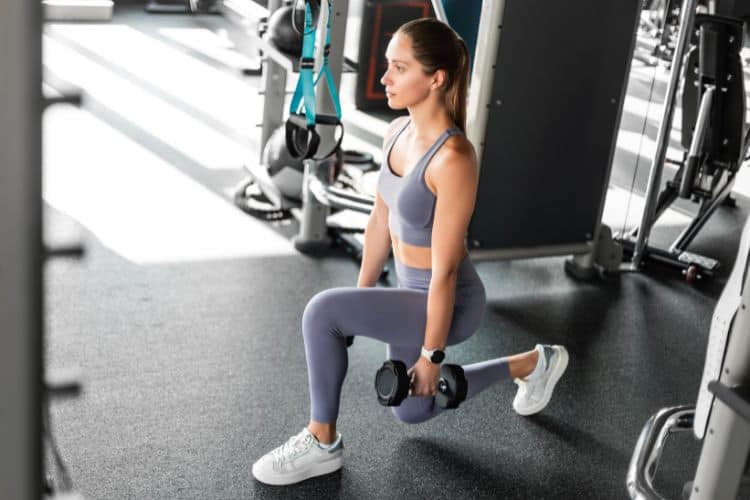
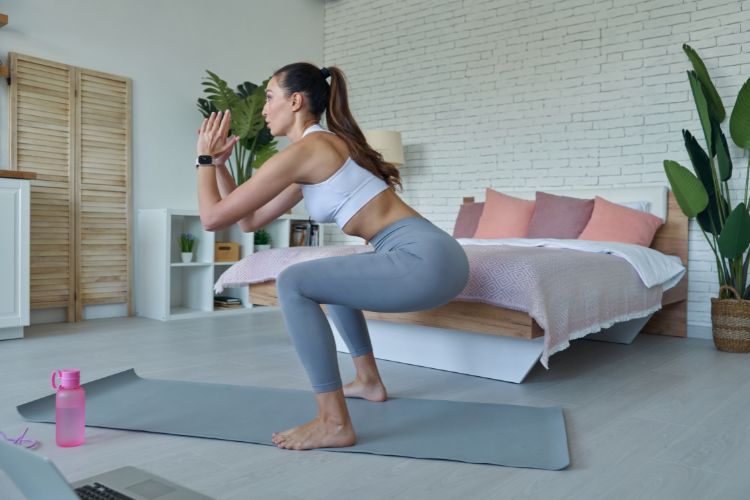
Bodyweight exercises use gravity and leverage to create resistance. Squats, lunges, push-ups, planks, and glute bridges are powerful tools that require no equipment at all.
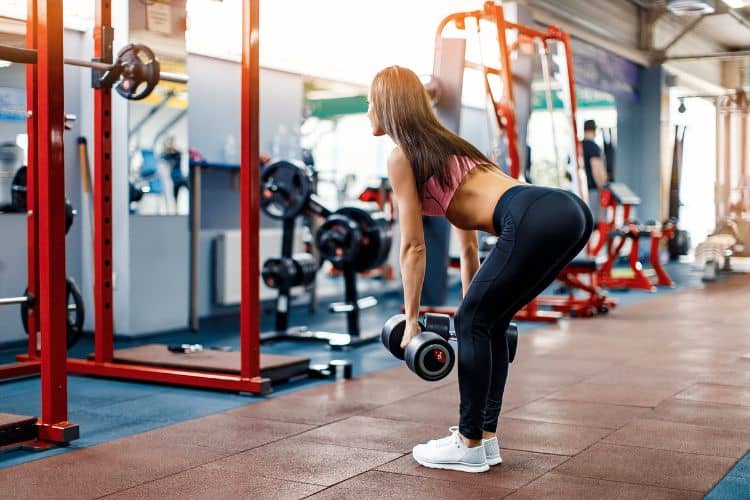
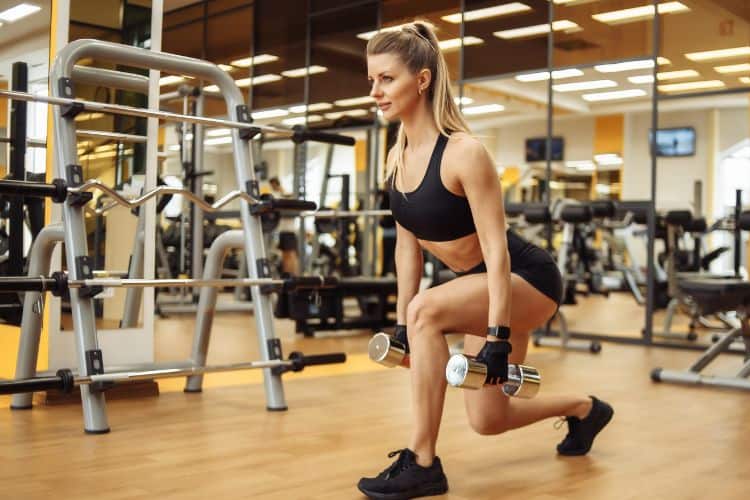
Dumbbells add external load and allow for progressive overload. Even light weights can be effective in a short, high-intensity workout.
Bands provide constant tension, making them excellent for muscle activation and joint-friendly training.
If available, these tools increase resistance and challenge strength further, but they’re not required for an effective 15-minute workout.
To get the most out of a short workout, structure matters. A balanced session includes a warm-up, a strength circuit, and minimal rest.
A brief warm-up prepares your joints, increases blood flow, and reduces injury risk. Focus on dynamic movements such as:
The core of your workout should target:
Use circuits or timed intervals to keep intensity high.
If time allows, finish with light stretching to support recovery and flexibility.
Below is a balanced example you can use at home with minimal equipment.
Perform each exercise for 40 seconds, rest 20 seconds, then move to the next exercise. Complete 2–3 rounds depending on your fitness level.
This format keeps your heart rate elevated while training the entire body efficiently.
A well-designed 15-minute workout targets all major muscle groups:
Because compound exercises are used, muscles work together rather than in isolation.
For best results, aim for:
Rest days are still important. Muscles grow and recover when given time to adapt.
Even short workouts should include progression. Over time, you can increase challenge by:
Progressive overload ensures continued strength gains and prevents plateaus.
Even short workouts require preparation. Cold muscles increase injury risk and reduce performance.
Quality matters more than speed. Focus on controlled, intentional movement rather than rushing.
Variety keeps muscles challenged and prevents overuse injuries. Rotate exercises weekly.
Sleep, hydration, and nutrition all play a role in workout success.
Your results depend not only on your workouts but also on how you fuel your body.
Proper nutrition enhances energy levels, strength gains, and recovery.
Resistance training is especially beneficial for women because it:
A 15-minute full body resistance workout makes strength training accessible and sustainable.
Absolutely. Beginners should focus on:
As strength improves, intensity can gradually increase.
For experienced exercisers, increase challenge by:
These techniques elevate intensity without extending workout time.
A 15-minute full body resistance workout proves that effective fitness doesn’t require hours in the gym. With smart exercise selection, proper structure, and consistent effort, short workouts can deliver impressive results.
Whether your goal is strength, fat loss, toning, or overall health, this workout format fits seamlessly into a busy lifestyle. By committing to short, high-quality resistance sessions, you build a strong, resilient body—one workout at a time.
If you’re ready to maximize results with minimal time, a 15-minute full body resistance workout is one of the most efficient and effective ways to train.
For readers who love efficient workouts and want to expand their fitness routine beyond the 15-minute full body resistance session, WomensFitClub.com offers a variety of great resources to help you stay strong and consistent. Check out The Best 15-Minute Full Body Workout: Fast, Effective and Perfect to explore another time-savvy routine that targets all major muscle groups with minimal equipment and maximum impact. If you’re interested in adding resistance in different formats, The Ultimate 15-Minute Full Body Dumbbell HIIT Workout delivers a high-intensity dumbbell circuit that burns calories and builds lean muscle fast. For a comprehensive look at effective strength training, the article 10 Best Strength Workouts for Women to Build Muscle & Burn Fat breaks down top routines that complement short full-body sessions perfectly. Beginners or those new to the gym should explore Gym Routine for Women Beginners: A Complete Guide to build confidence and learn essential exercises safely. And if you want variety, the Full Body 15 Minute Workout: Quick and Effective Fitness Routine provides additional movements and pacing ideas to keep your workouts fresh and fun.
Stay up to date on the latest women’s health, fitness and lifestyle trends and tips.
