


Sign up for workout ideas, training advice, reviews of the latest gear and more.

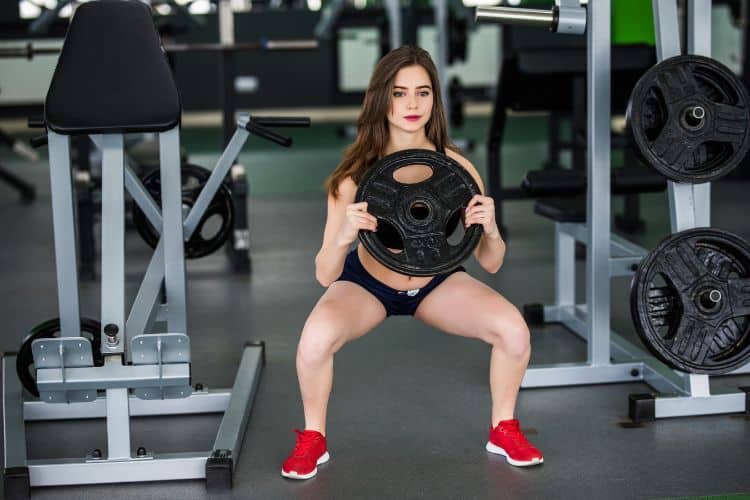
Finding time to work out can be challenging, especially with busy schedules, family commitments, and long workdays. The good news is that you don’t need an hour-long gym session to see results. A 15-minute full body workout with weights can build strength, boost metabolism, and improve overall fitness when designed correctly. Short, focused workouts that use compound movements allow you to train multiple muscle groups at once, delivering maximum results in minimal time.
In this comprehensive guide, you’ll learn exactly how a 15-minute weighted workout works, why it’s effective, which exercises to include, and how to structure your routine for fat loss, muscle tone, and functional strength. Whether you’re training at home with dumbbells or in the gym with free weights, this workout can fit seamlessly into your routine.
A short workout may sound too good to be true, but research and real-world experience show that intensity and exercise selection matter more than duration. When you combine resistance training with continuous movement, you stimulate muscle fibers, elevate heart rate, and create a strong metabolic response.
Fifteen minutes is enough time to target all major muscle groups if you focus on compound exercises such as squats, presses, rows, and hinges. These movements work the upper body, lower body, and core simultaneously, allowing you to get more done in less time.
Strength training increases lean muscle mass, which helps your body burn more calories at rest. A fast-paced full body workout with weights can also create an afterburn effect, where your body continues burning calories even after the workout ends.
Full body routines mimic everyday movements like lifting, pushing, pulling, and carrying. This makes a 15-minute full body workout especially effective for improving balance, coordination, and overall functional fitness.
One of the biggest advantages of this type of workout is its versatility. It can be adapted for almost anyone, regardless of fitness level.
If you’re new to strength training, a short full body workout is less intimidating and easier to stick with. You can start with lighter weights and focus on learning proper form.
When time is limited, consistency is key. A 15-minute workout removes excuses and makes it easier to stay active throughout the week.
For experienced exercisers, this workout can be used as a quick strength session, a metabolic finisher, or a supplement to longer training days.
You don’t need a fully equipped gym to complete this workout. Simple equipment works perfectly.
A pair of dumbbells is ideal. Choose a weight that feels challenging by the last few reps but still allows proper form.
If available, you can substitute certain movements with a kettlebell or barbell for variety and progression.
A mat is helpful for floor-based core exercises and comfort.
Even with a short workout, warming up is essential to prevent injury and improve performance. A quick dynamic warm-up prepares your muscles and joints for movement.
Spend about 2–3 minutes on the following:
This brief warm-up increases blood flow and primes your body for lifting.
The key to an effective short workout is choosing exercises that deliver the most benefit in the least amount of time.
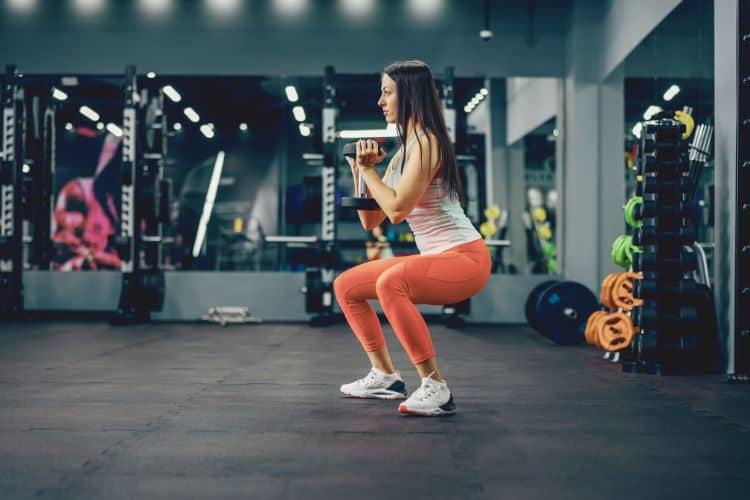
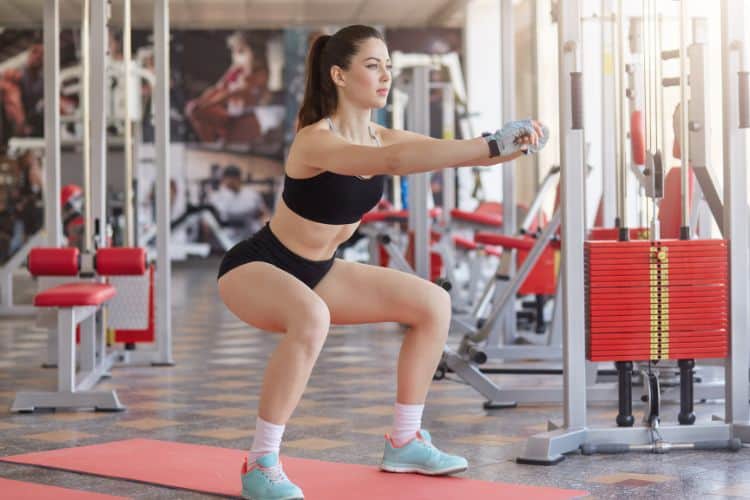
Squats, lunges, and deadlift variations target the glutes, quads, hamstrings, and calves while also engaging the core.
Movements like chest presses, overhead presses, and push presses work the chest, shoulders, and triceps.
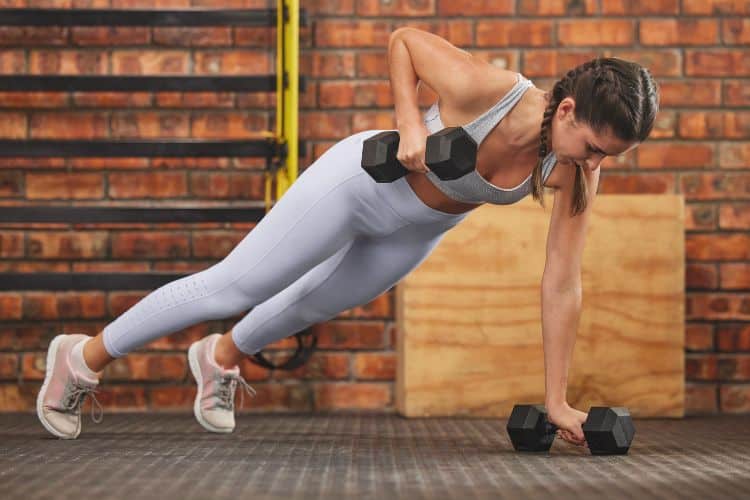
Rows and pull variations strengthen the back and biceps, improving posture and upper body balance.
Planks, weighted twists, and carries help stabilize the spine and improve overall strength.
This workout uses a circuit-style format to keep your heart rate elevated while building strength.
Perform each exercise for 40 seconds, rest for 20 seconds, then move to the next exercise. Complete 3 total rounds.
This compound movement targets the legs, shoulders, and core while increasing heart rate.
Strengthens the upper back and biceps while reinforcing proper posture.
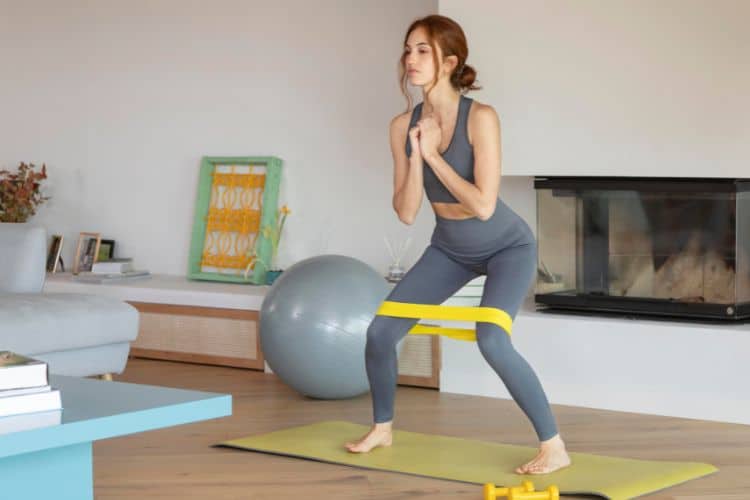
Works the glutes and quads while challenging balance and coordination.
Targets the chest, shoulders, and triceps with controlled movement.
Engages the posterior chain, including glutes, hamstrings, and lower back.
Finishes the circuit by activating the core and obliques.
One of the strengths of a 15-minute full body workout with weights is how easily it can be adjusted.
Short workouts don’t mean limited benefits. In fact, this format delivers powerful results when done consistently.
Training all major muscle groups in one session promotes balanced muscle development and overall strength.
Resistance training helps preserve lean muscle while burning calories, making it ideal for fat loss.
Circuit-style strength workouts elevate heart rate, providing both strength and cardio benefits.
When workouts are short and manageable, you’re more likely to stick with them long-term.
Frequency depends on your goals and schedule, but consistency matters most.
Aim for 3–4 sessions per week, allowing rest days in between.
You can perform this workout up to 5 times per week, alternating intensity levels.
Use heavier weights and complete the workout 3 times per week, focusing on progressive overload.
To get the most out of your short workout, focus on quality and intensity.
Good technique ensures you’re targeting the right muscles and reduces injury risk.
The last few reps of each exercise should feel challenging but doable.
Set a timer, put your phone away, and stay focused for the full 15 minutes.
Write down weights and reps so you can gradually increase intensity over time.
Even short workouts can be ineffective if done incorrectly.
Jumping straight into heavy lifts increases injury risk.
If the workout feels easy, increase resistance to see results.
Speed without control reduces muscle engagement and effectiveness.
Yes, you can build muscle with short workouts as long as you apply the right principles. Progressive overload, proper nutrition, and consistency are essential. While longer workouts may allow for more volume, a focused 15-minute routine can still stimulate muscle growth, especially for beginners and intermediate exercisers.
Your results depend not only on training but also on what you eat.
A small snack with protein and carbohydrates can improve energy and performance.
Protein-rich meals help repair muscle tissue and support recovery.
Drinking enough water supports strength, endurance, and overall health.
Absolutely. A 15-minute full body workout with weights is one of the most efficient ways to build strength, burn calories, and stay consistent with your fitness routine. Whether you’re short on time, new to exercise, or looking for a quick yet effective workout, this approach delivers real results without overwhelming your schedule.
By focusing on compound movements, maintaining intensity, and staying consistent, you can transform your fitness in just 15 minutes a day. Remember, it’s not about how long you work out—it’s about how smart you train.
If you’re short on time but still want a powerful training session, a 15-minute full body workout with weights can be a game-changer for building strength and burning calories efficiently. At WomensFitClub.com, we’ve already covered similar quick, targeted routines like the 15 Minute Dumbbell Workout for Full Body Strength that uses dumbbells to work every major muscle group, and the Best Dumbbell Exercises for a Full Body Workout in 15 Minutes which breaks down effective exercise options in a compact timeframe. If you’re interested in variations or similar time-efficient strategies, check out our 15-Minute Low Impact Dumbbell Workout: Full Body Strength for a gentler option or dive into longer routines like the 45-Minute Full Body Workout Plan for Strength, Fat Loss & Toning when you have extra time. These resources help make short workouts fit into any schedule while keeping your strength goals on track.
Stay up to date on the latest women’s health, fitness and lifestyle trends and tips.
