


Sign up for workout ideas, training advice, reviews of the latest gear and more.

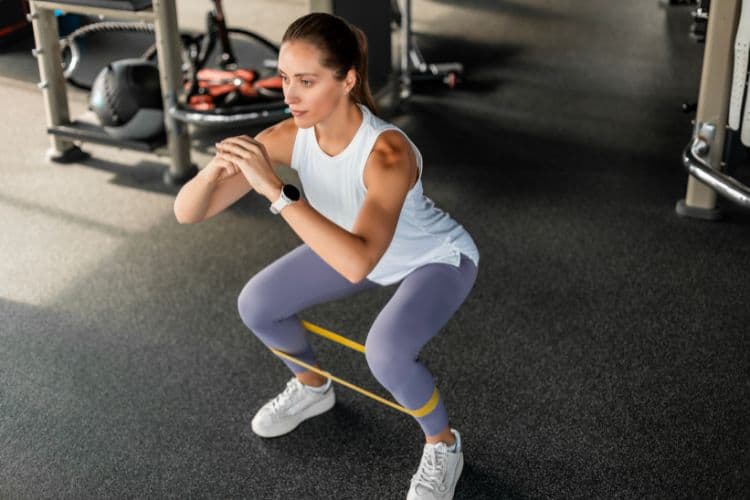
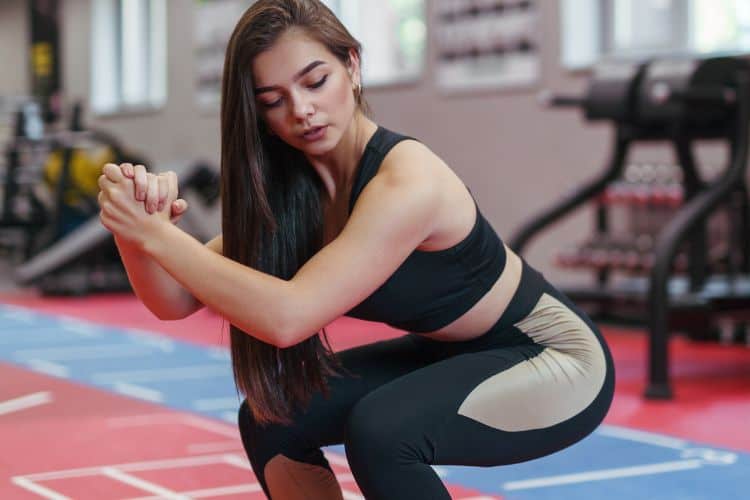
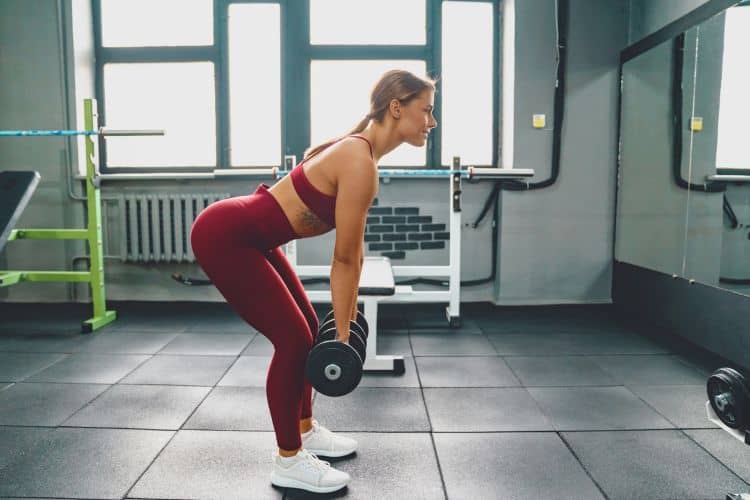
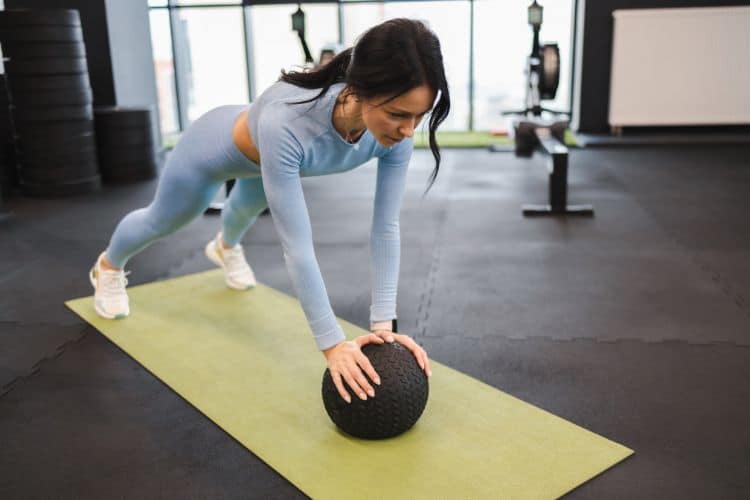
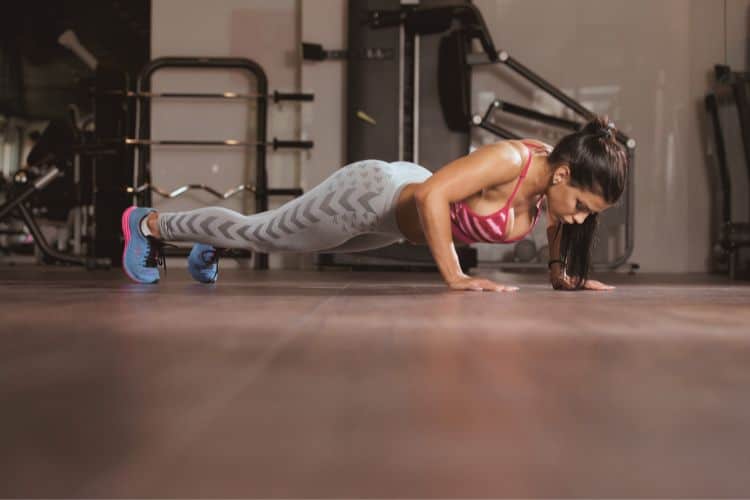
Finding time to work out doesn’t have to be complicated. A 15-minute functional strength workout can deliver powerful results when it’s structured correctly and focused on movements that train your body the way it’s meant to move. This guide walks you through everything you need to know about designing and performing the best 15-minute functional strength workout routine, including benefits, exercise selection, progression, and a complete routine you can repeat weekly.
Functional strength training is especially effective for busy schedules because it combines strength, mobility, balance, and core engagement into one short session. Instead of isolating muscles, you train movement patterns—helping you feel stronger, more coordinated, and more capable in everyday life.
Functional strength training focuses on compound, multi-joint movements that mimic real-life actions such as squatting, pushing, pulling, hinging, rotating, and carrying. These exercises train multiple muscle groups at the same time while engaging your core for stability.
Unlike traditional bodybuilding routines that isolate single muscles, functional workouts improve how your body works as a unit. This makes them ideal for building practical strength, reducing injury risk, and improving overall movement quality.
A 15-minute functional workout emphasizes:
Many people underestimate short workouts, but duration is far less important than exercise selection, intensity, and structure. A well-designed 15-minute functional routine can be just as effective as a longer session.
Time efficiency
You can complete a full-body strength session in just 15 minutes, making it easy to stay consistent even on busy days.
Improved real-life strength
Functional movements translate directly to daily tasks like lifting, carrying, climbing stairs, and maintaining balance.
Increased calorie burn
Because multiple muscles work at once, functional strength workouts elevate heart rate and energy expenditure.
Enhanced core engagement
Nearly every functional exercise challenges the core, improving posture and stability.
Lower injury risk
Training movement patterns instead of isolated muscles supports joint health and muscular balance.
This workout style is suitable for:
The routine can be modified to be low-impact or more advanced by adjusting range of motion, tempo, or resistance.
To get the most out of 15 minutes, your workout should follow a simple, effective structure:
A brief warm-up prepares joints and muscles without wasting time. Focus on mobility and light activation.
Choose 5–6 compound exercises that cover:
Perform exercises in a circuit with minimal rest.
End with a controlled burn or light mobility if time allows.
The following movements form the foundation of an effective functional routine:
These exercises can be done with bodyweight, dumbbells, kettlebells, or resistance bands.
This routine is designed to hit your entire body efficiently. Perform the exercises as a circuit, completing all movements before repeating.
Move continuously and focus on controlled range of motion.
Perform each exercise for 40 seconds, followed by 20 seconds of rest. Complete 2–3 rounds depending on your fitness level.
This compound movement combines a lower-body squat with an upper-body press, training coordination and total-body strength.
Focus on:
This exercise improves single-leg strength, balance, and rotational core stability.
Focus on:
Hip hinge movements strengthen the glutes, hamstrings, and lower back while reinforcing proper lifting mechanics.
Focus on:
Push-ups train the chest, shoulders, triceps, and core in one movement.
Focus on:
Pulling movements improve posture and strengthen the upper back.
Focus on:
This anti-rotation core exercise improves stability and shoulder control.
Focus on:
If time allows, finish with:
These keep the workout functional without turning it into cardio overload.
A 15-minute functional strength workout can be done 3–5 times per week, depending on recovery and overall training volume.
You can repeat the same routine for several weeks while progressively increasing difficulty.
Progression is key for long-term results, even in short workouts.
Ways to progress include:
Small changes make a big difference over time.
Functional strength training emphasizes movement quality and coordination, while traditional strength training often focuses on muscle isolation and load progression.
Benefits Functional training include:
Both styles can coexist, but functional strength is ideal for short workouts and general fitness.
Yes, especially if:
While maximal hypertrophy may require longer sessions, functional workouts are excellent for building lean muscle, strength, and definition.
Functional workouts elevate heart rate while building muscle, making them effective for fat loss. The combination of resistance and continuous movement increases calorie burn during and after the workout.
Pairing this routine with proper nutrition and regular movement throughout the day enhances results.
Avoid these pitfalls to get the most out of your workout:
Quality matters more than speed or load.
To reduce joint stress:
Functional training adapts easily to all fitness levels.
This approach keeps training sustainable and effective.
The best 15-minute functional strength workout routine focuses on movement quality, full-body engagement, and smart exercise selection. By training squats, hinges, pushes, pulls, and core stability in one short session, you build real-world strength that carries into everyday life.
Consistency is what makes this routine powerful. Whether you’re training at home or in the gym, this workout proves that you don’t need hours to get stronger, leaner, and more confident—just 15 focused minutes done well.
Elevate your fitness journey with short, effective workouts that fit into any busy schedule—especially routines like our 15-minute functional strength workout, designed to help women build real-world strength and improve everyday movement. If you’re looking for comparable time-savvy training ideas, check out our 15 Minute Full Body Bodyweight Workout for Beginners for a beginner-friendly, quick sweat session. For those ready to take it further, our Best 30 Minute Functional Workout Plan for Women provides a balanced strength and mobility routine you can repeat later in the week. Want more time-efficient routines? Try our 15 Minute Daily Bodyweight Workout to Tone and Burn Calories for daily consistency, or explore other options like the 15-Minute Leg Day with Dumbbells to zero in on lower-body strength. Together, these targeted sessions help women stay strong, energized, and empowered on every step of their fitness journey.
Stay up to date on the latest women’s health, fitness and lifestyle trends and tips.
