


Sign up for workout ideas, training advice, reviews of the latest gear and more.
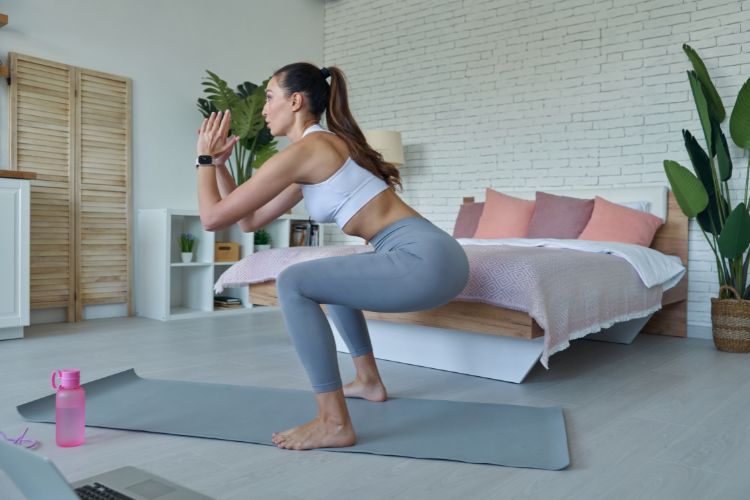
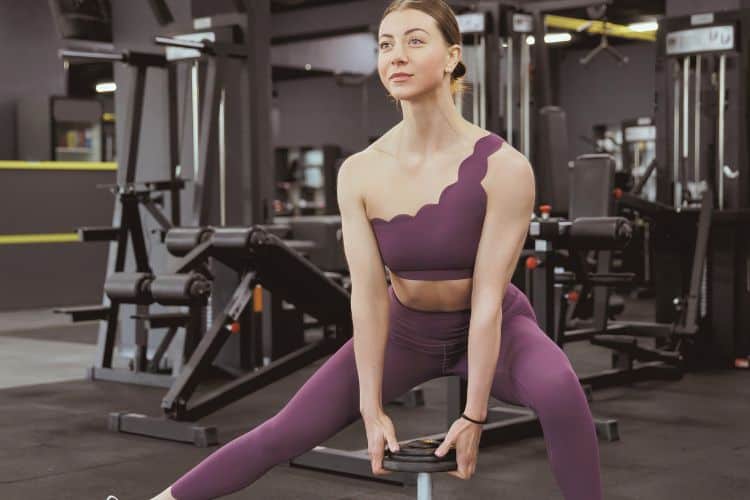
A 15-minute dumbbell leg workout is one of the fastest and most effective ways to build strength, tone your legs, boost calorie burn, and improve athletic performance—even when you have limited time. Whether your goal is to firm your thighs, strengthen your glutes, or build functional lower-body power, short, intense dumbbell leg circuits are incredibly efficient. This quick session targets all major muscles of the lower body while delivering a metabolism-boosting effect that lasts long after the workout ends. With just a pair of dumbbells and 15 minutes, you can get a complete leg-sculpting routine that fits into any busy schedule.
This guide breaks down why short dumbbell leg workouts are so effective, the full 15-minute routine, how to modify exercises for beginners or advanced lifters, and tips to maximize results, including progression strategies and recovery suggestions. By the end, you’ll have a workout you can repeat multiple times per week and continue progressing for long-term strength gains.
A fast leg workout can still deliver significant results when it incorporates the right training methods. Dumbbells allow you to challenge your muscles through a full range of motion, load movement patterns safely, and build functional strength that transfers into everyday life. Unlike machines—which lock your body into fixed paths—dumbbells strengthen stabilizer muscles, improve balance, and create a more natural movement pattern.
This workout trains your:
By focusing on compound exercises like squats and lunges, you activate multiple muscles simultaneously—allowing for a more efficient use of time.
Lifting weights increases muscle activation and energy demand. Studies show that strength training elevates post-exercise oxygen consumption (EPOC), meaning you continue burning calories after the workout ends. A short, intense leg routine can give you:
A pair of dumbbells is enough to create endless variations: goblet squats, lunges, deadlifts, step-ups, and more. Whether you’re working out at home or in the gym, dumbbells keep the workout simple, portable, and accessible.
If you only have 15 minutes before work, on a lunch break, or after a cardio session, this routine fits perfectly. It can also be used as:
Perform each exercise for 45 seconds, followed by 15 seconds of rest. After completing one full round, rest for 60 seconds and repeat if time allows. This version provides one full 15-minute round.
Before lifting, prepare your joints and muscles with a quick dynamic warm-up:
This increases circulation, activates your glutes, and prepares your body for loaded movements.
Duration: 45 seconds
The goblet squat is a foundational leg exercise that targets your glutes and quads while reinforcing proper squat mechanics. Holding a dumbbell at your chest helps maintain posture, making it ideal for both beginners and advanced lifters.
How to Do It:
Hold one dumbbell vertically at chest height. Stand with feet shoulder-width apart. Push hips back, bend your knees, and squat down as low as comfortable. Drive through your heels to stand tall.
Benefits:
Duration: 45 seconds
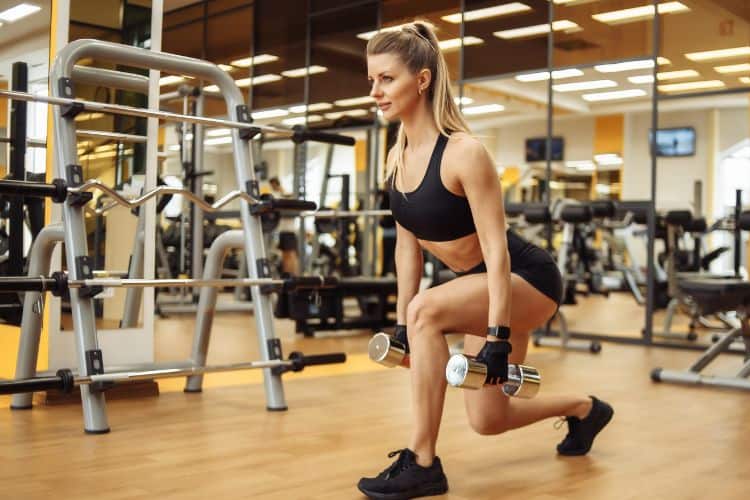
Reverse lunges strengthen your quads, glutes, and hamstrings while reducing knee stress compared to forward lunges.
How to Do It:
Hold dumbbells at your sides. Step one foot back, lowering into a lunge with 90-degree angles at both knees. Return to standing and repeat on the other side.
Benefits:
Duration: 45 seconds
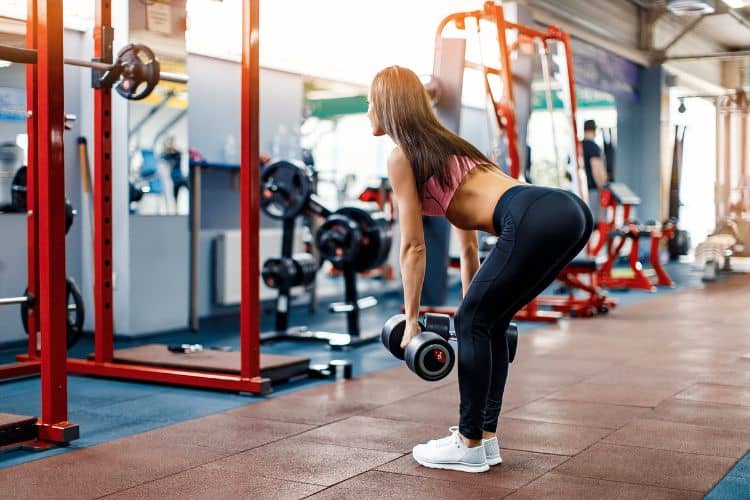
RDLs emphasize the hamstrings and glutes, making them essential for lower-body strength and preventing imbalances.
How to Do It:
Hold dumbbells in front of thighs. Keep your back flat, hinge at the hips, and lower the weights toward your shins. Squeeze glutes as you return to standing.
Benefits:
Duration: 45 seconds
This functional exercise challenges your legs individually and improves overall stability.
How to Do It:
Hold dumbbells at your sides. Step onto a sturdy bench or platform. Drive through the leading leg to stand tall, then step down and alternate legs.
Benefits:
Duration: 45 seconds
The wider stance of the sumo squat shifts emphasis to inner thighs and glutes.
How to Do It:
Hold a dumbbell between your legs. Take a wide stance with toes pointed slightly outward. Squat down, keeping chest lifted, then press through heels to return.
Benefits:
Duration: 45 seconds
Often neglected, calf raises support ankle stability and overall leg strength.
How to Do It:
Stand tall holding dumbbells. Lift heels off the ground, pause, then lower under control.
Benefits:
Duration: 45 seconds
This lift isolates your glutes, making it essential for sculpting the lower body and supporting hip health.
How to Do It:
Lie on your back with knees bent. Place a dumbbell across your hips. Lift your hips upward, squeezing your glutes at the top.
Benefits:
Duration: 45 seconds
Lateral lunges target outer thighs and hips—areas many traditional leg exercises miss.
How to Do It:
Step out to one side, bend the knee, and push hips back while keeping the other leg straight. Return to center and alternate sides.
Benefits:
Duration: 45 seconds
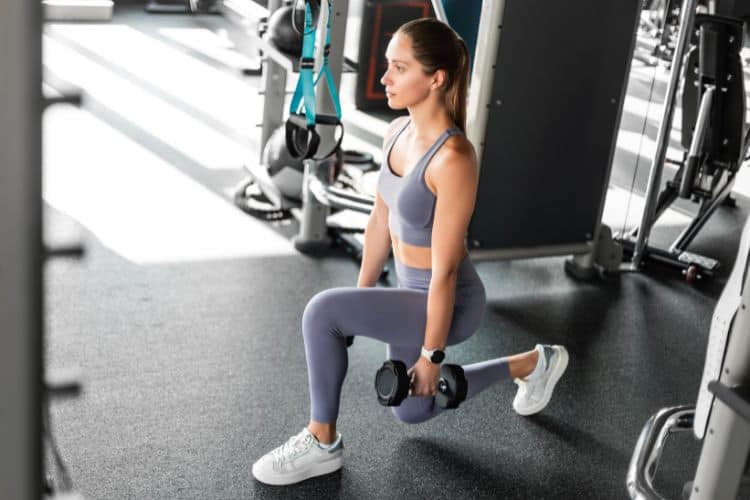
A more stationary version of lunges, split squats maximize tension on the quads and glutes.
How to Do It:
Stand in a staggered stance and hold dumbbells. Lower your back knee toward the floor. Press through the front heel to return.
Benefits:
Duration: 45 seconds
Finish the workout with a static squat hold to fully fatigue your quads and glutes.
How to Do It:
Hold a dumbbell at chest height and sit into a squat, keeping thighs nearly parallel to the floor.
Benefits:
Finish with quick stretching to release tension and improve flexibility:
Whether you’re a beginner or an advanced athlete, simple modifications allow you to tailor this routine to your fitness level.
Beginners should aim for 2–3 sessions per week, focusing on form.
Even a short routine provides significant benefits when performed consistently.
Dumbbell resistance stimulates the quads, hamstrings, glutes, and calves, leading to increased tone, strength, and muscular definition.
Leg workouts engage large muscle groups, requiring more energy and delivering:
Exercises like lunges and step-ups strengthen stabilizer muscles around the knees and hips.
Stronger legs translate to:
No machines required—just dumbbells and determination.
To avoid plateaus, gradually increase:
A simple progression plan:
Week 1–2: 1 round
Week 3–4: 1.5 rounds
Week 5–6: 2 rounds
Strength training pairs best with proper nutrition.
Choose quick energy foods—fruit, oats, yogurt, or a small protein snack.
Prioritize protein + carbs for recovery and muscle repair.
Examples:
If any movement causes sharp pain, stop immediately.
A 15-minute dumbbell leg workout is one of the most efficient training strategies for building strong, toned legs without spending long hours in the gym. By combining compound movements, short rest intervals, and targeted leg exercises, this routine challenges your muscles, boosts fat burn, and improves functional strength—all in a compact, time-friendly session.
Whether you’re a beginner easing into strength training or an advanced athlete needing a high-intensity leg circuit, this workout delivers powerful results. Use it as a standalone lower-body session or mix it into your regular training routine whenever your schedule gets tight.
To complement your 15-minute dumbbell leg workout, be sure to explore related training resources on Women’s Fit Club. Add variety to your strength routine with a longer but highly effective 35-Minute Dumbbell Leg Workout, or target similar muscle groups in slightly different ways with the 30 Minute Dumbbell Leg Workout for Strength and Fat Burn for a fuller lower-body session. If you’re looking to expand your exercise library, check out the Best 15 Dumbbell Leg Exercises for Strength Size and Power to build strength and muscle with focused movement variations. For those who enjoy varied training formats, the Best 20-Minute Leg Day Workout with Dumbbells offers a time-efficient alternative, and our wider Workouts Library provides additional routines to help you stay fit and motivated.
Stay up to date on the latest women’s health, fitness and lifestyle trends and tips.
