


Sign up for workout ideas, training advice, reviews of the latest gear and more.

Starting a fitness routine doesn’t need to be complicated, intimidating, or time-consuming. In fact, one of the most effective ways to build strength, improve endurance, and boost confidence is through a 20-minute beginner bodyweight workout. This type of workout requires no equipment, no gym membership, and no prior experience—making it ideal for beginners who want real results without overwhelm.
Bodyweight workouts use your own weight as resistance, helping you build functional strength while improving balance, mobility, and coordination. When done consistently, even short workouts can create noticeable improvements in energy levels, muscle tone, and overall fitness. This beginner-friendly routine focuses on full-body movements, controlled pacing, and proper form so you can move safely and effectively.
For beginners, the biggest challenge is often getting started and staying consistent. A 20-minute workout removes many common barriers by fitting easily into busy schedules and reducing mental resistance. Knowing that your workout will be short and manageable makes it far more likely that you’ll show up consistently, which is the most important factor in long-term success.
Bodyweight training is also extremely joint-friendly when performed correctly. Because movements are natural and adjustable, beginners can progress at their own pace without excessive strain. You’ll learn how to control your body, engage your core, and move with intention—all essential skills that lay the foundation for future strength training.
A structured beginner bodyweight workout delivers far more than just calorie burn. These workouts strengthen muscles, improve cardiovascular health, and enhance movement quality—all while building confidence.
One major benefit is functional strength, meaning strength that transfers directly to everyday activities like standing up, climbing stairs, lifting objects, or maintaining good posture. Bodyweight exercises also help improve mobility and flexibility because many movements require controlled ranges of motion.
Another benefit is accessibility. You can perform this workout at home, outdoors, or while traveling, making it easy to maintain consistency no matter where you are. Over time, these short workouts can help reduce fatigue, improve balance, and support healthy weight management.
One of the biggest advantages of a beginner bodyweight workout is how little you need to get started. All you really need is a small open space and comfortable clothing that allows you to move freely.
Optional items like a yoga mat or towel can add comfort for floor exercises, but they’re not required. Supportive footwear is helpful if you’re working out on hard surfaces, though many people prefer barefoot or socks for better balance and stability.
Most importantly, you’ll need to approach this workout with patience and self-awareness. Beginners benefit most from focusing on quality of movement rather than speed or intensity.
A proper warm-up prepares your muscles and joints for movement, reduces injury risk, and helps you get more out of your workout. Spend about 3–5 minutes warming up before starting the main routine.
Begin with gentle movements like marching in place, arm circles, and shoulder rolls to increase blood flow. Gradually add dynamic stretches such as hip circles, torso twists, and leg swings. The goal is to feel warm, loose, and ready to move—not fatigued.
Taking the time to warm up is especially important for beginners, as it helps your body adapt smoothly to new movement patterns.
This workout is designed as a full-body circuit, targeting the legs, glutes, core, chest, back, and shoulders. You’ll perform each exercise for a set amount of time, followed by short rest periods to maintain steady effort without exhaustion.
The routine is broken into manageable segments, making it easy to follow even if you’re new to exercise. You can pause as needed, modify movements, or slow the pace to match your fitness level.
This structure ensures you get a complete workout while staying within a 20-minute timeframe.
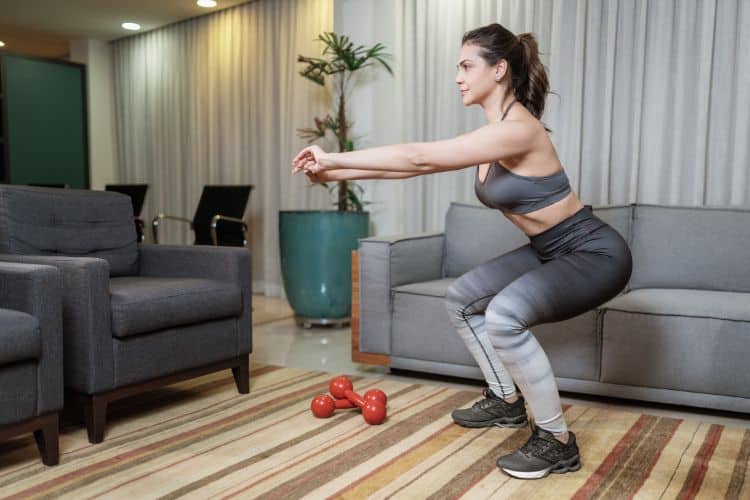
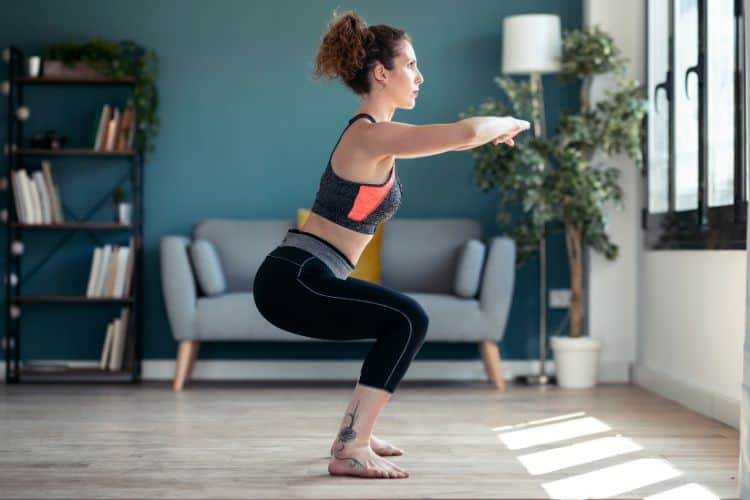
Bodyweight squats are one of the most effective lower-body exercises for beginners. They strengthen the thighs, glutes, and hips while improving mobility and posture. Stand with your feet shoulder-width apart, push your hips back, and lower down as if sitting into a chair. Keep your chest upright and your weight in your heels.
Move slowly and focus on control rather than depth. If needed, limit your range of motion until your strength and mobility improve.
Modified push-ups are a beginner-friendly way to build upper-body and core strength. Perform them on your knees or against a wall if floor push-ups feel too challenging. Keep your body in a straight line and engage your core as you lower your chest toward the floor.
This exercise strengthens the chest, shoulders, triceps, and core, making it a key component of any beginner workout.
Glute bridges activate the glutes and strengthen the lower back and core. Lie on your back with your knees bent and feet flat on the floor. Press through your heels to lift your hips, squeezing your glutes at the top.
This exercise is excellent for beginners because it reinforces proper hip movement and supports lower-body strength without high impact.
Standing marches elevate the heart rate while engaging the core and improving balance. Stand tall and lift one knee at a time, keeping your movements controlled. Focus on maintaining good posture and steady breathing.
This movement also helps beginners develop coordination and cardiovascular endurance.
Planks strengthen the core, shoulders, and back while improving stability. Beginners can perform planks on their knees or with hands elevated on a sturdy surface. Keep your core engaged and avoid sagging or arching your back.
Even short plank holds can be incredibly effective when performed with proper form.
As a beginner, pacing is key. You should feel challenged but still able to maintain good form throughout the workout. If your breathing becomes too labored, slow down or take short breaks as needed.
Consistency matters more than intensity at this stage. Over time, your endurance and strength will naturally improve, allowing you to increase effort without sacrificing form.
Many beginners make the mistake of rushing through exercises or pushing too hard too soon. This can lead to poor form, discomfort, or burnout. Instead, focus on controlled movements and proper technique.
Skipping warm-ups or cool-downs is another common mistake. These phases are essential for injury prevention and recovery, especially when your body is adapting to new activity.
For beginners, 3–5 sessions per week is an excellent starting point. This frequency allows your muscles to recover while still promoting progress. On rest days, light activities like walking or stretching can support recovery.
As your fitness improves, you can gradually increase workout intensity or duration, but there’s no rush. Sustainable progress comes from consistency over time.
Cooling down helps your heart rate return to normal and reduces muscle stiffness. Spend a few minutes stretching major muscle groups such as the legs, hips, chest, shoulders, and back.
Hold each stretch gently while breathing deeply. This not only supports recovery but also improves flexibility and relaxation after your workout.
Yes, beginner bodyweight workouts can support weight loss when combined with consistent effort and balanced nutrition. These workouts burn calories, build lean muscle, and increase overall activity levels—all important factors for healthy weight management.
While results vary, many beginners notice improvements in energy, strength, and body composition within a few weeks of regular training.
Once the workout starts feeling easier, you can progress by increasing time under tension, adding extra rounds, or reducing rest periods. You can also explore more challenging variations of each exercise as your confidence grows.
Progression doesn’t have to be drastic. Small, steady improvements lead to lasting results.
A 20-minute beginner bodyweight workout is one of the most effective ways to start your fitness journey. It’s simple, accessible, and adaptable—making it perfect for anyone new to exercise. By focusing on consistency, proper form, and gradual progression, you can build strength, confidence, and healthy habits that last.
No matter where you’re starting from, this workout proves that you don’t need long sessions or fancy equipment to make meaningful progress. Just show up, move with intention, and give yourself credit for every step forward.
To help you deepen your fitness journey beyond this 20-minute beginner bodyweight workout, Women’s Fit Club offers a variety of related resources designed to support you at every stage. If you’re just getting started, check out our Beginners Guide to a 20-Minute Bodyweight Workout Routine for more tips and structure to build confidence and proper form. Once you’ve mastered the basics, explore the Best Bodyweight Exercises for a Full Body Workout at Home to expand your move library and challenge yourself safely. For days when you want more time or intensity, our 20-Minute EMOM Bodyweight Workout for a Full-Body Burn delivers strength and endurance benefits—all without equipment. When weight loss is a goal, the A 20-Minute No-Equipment Workout for Total Body Weight Loss helps elevate your heart rate and boost calorie burn in a short session. And if you’re ready to follow a longer progression, try the 30-Day Bodyweight Workout Challenge Transform Your Body plan to maintain consistency and see meaningful results over a month.
Stay up to date on the latest women’s health, fitness and lifestyle trends and tips.
