


Sign up for workout ideas, training advice, reviews of the latest gear and more.

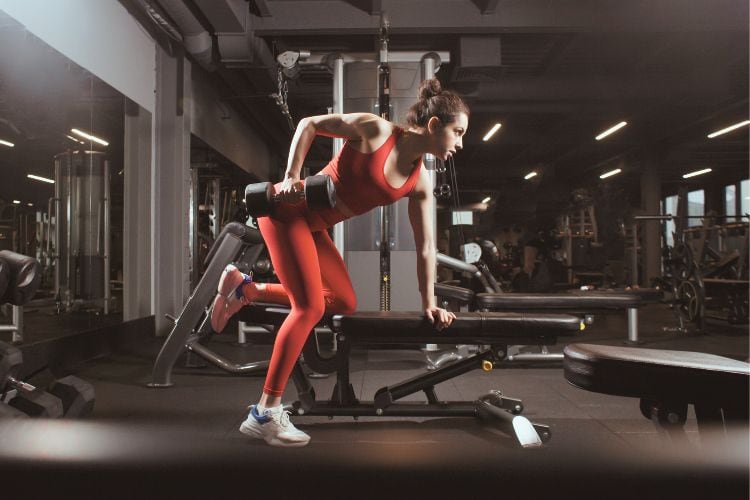
Finding time to work out can be one of the biggest challenges in a busy lifestyle. Between work, family, and daily responsibilities, committing to long gym sessions often feels unrealistic. That’s where a 20 minute dumbbell weightlifting workout becomes a powerful solution. Short, focused, and highly effective, this style of training allows you to build muscle, increase metabolism, and improve overall fitness without spending hours exercising.
Dumbbell weightlifting workouts are especially effective because they combine resistance training with functional movement. In just 20 minutes, you can activate multiple muscle groups, elevate your heart rate, and create a metabolic effect that continues burning calories long after your workout ends. Whether you train at home or in the gym, dumbbells offer versatility, scalability, and results for beginners and advanced lifters alike.
This guide will walk you through the benefits, structure, and execution of a 20 minute dumbbell weightlifting workout while explaining how to maximize strength, fat loss, and consistency.
Short workouts are often underestimated, but when programmed correctly, they can be just as effective as longer sessions. A 20 minute dumbbell workout focuses on intensity, efficiency, and compound movements, making every minute count.
Resistance training with dumbbells increases muscle activation because each arm works independently. This improves strength balance, coordination, and core engagement. When paired with minimal rest and strategic exercise selection, a short workout becomes a powerful tool for muscle building and calorie burning.
A 20 minute dumbbell weightlifting workout is ideal for:
By focusing on compound lifts and controlled tempo, you can stimulate muscle growth while keeping your heart rate elevated.
Dumbbells allow a greater range of motion compared to machines, engaging stabilizer muscles and improving functional strength. Even with lighter weights, proper form and tempo can create significant muscle tension.
Resistance training boosts metabolism by increasing lean muscle mass. A well-designed 20 minute workout can trigger excess post-exercise oxygen consumption (EPOC), meaning your body continues burning calories after you finish training.
Dumbbells are easier on the joints than barbells and machines. You can easily adjust weight, tempo, or reps to match your fitness level.
Consistency matters more than workout length. A 20 minute dumbbell weightlifting workout is easier to stick to, making long-term progress more achievable.
This workout style is suitable for a wide range of fitness levels.
It’s also ideal for anyone returning to exercise, training at home, or supplementing longer workouts with short, effective sessions.
One of the biggest advantages of dumbbell training is simplicity. You only need:
Adjust the dumbbell weight so the last few reps of each set feel challenging but controlled.
To make the most of your time, your workout should follow a clear structure:
This ensures your muscles are prepared, fully engaged, and properly recovered.
A proper warm-up increases blood flow, improves mobility, and reduces injury risk.
Spend 2–3 minutes performing dynamic movements such as:
Keep the pace moderate and focus on range of motion rather than fatigue.
This workout targets the entire body using compound and isolation movements. Perform each exercise with control, focusing on form and muscle engagement.
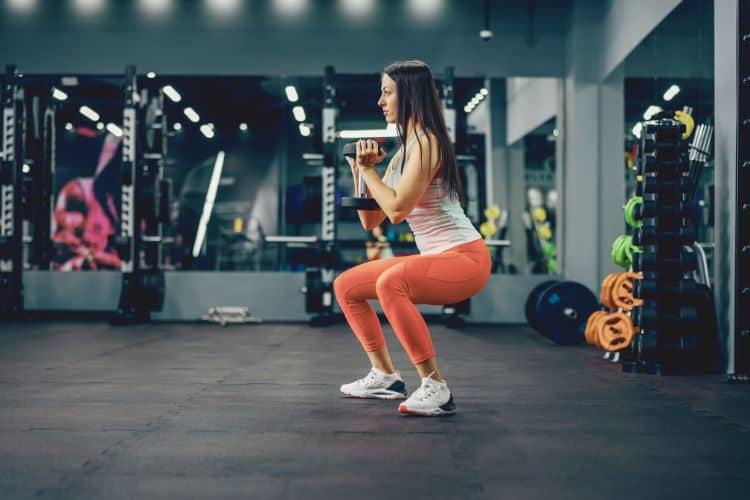
This full-body movement works the legs, glutes, shoulders, and core. Squat down with dumbbells at shoulder height, then press overhead as you stand.
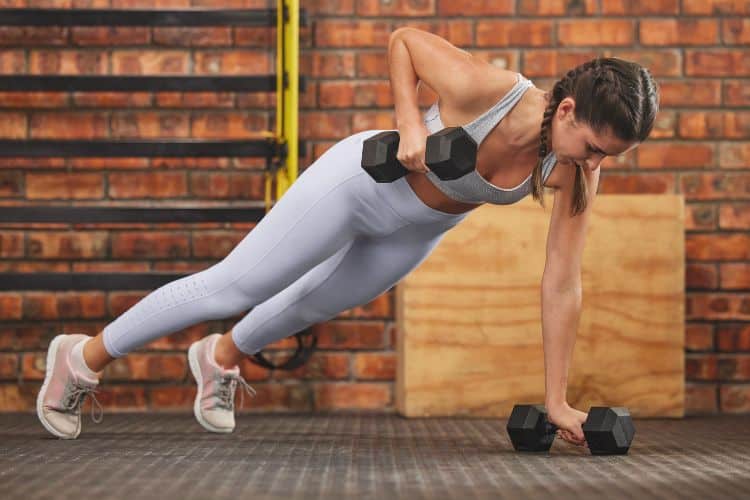
Targets the back, shoulders, and arms while strengthening posture. Keep your core tight and pull the dumbbells toward your ribs.
Engages the glutes, hamstrings, and lower back. Focus on hinging at the hips and maintaining a neutral spine.
Strengthens the chest, shoulders, and triceps. Perform on the floor or bench for stability.
Builds lower-body strength and balance while activating the glutes and core.
Isolates the shoulders and improves upper-body definition. Use lighter weights and controlled movement.
Targets the biceps with strict form. Avoid swinging and focus on slow, controlled reps.
Strengthens the triceps and supports upper-body pushing movements.
Because this workout is short, rest periods are intentionally brief. Keep rest between exercises minimal, but listen to your body. If your form begins to break down, extend rest slightly to maintain quality movement.
Between rounds, rest 45–60 seconds before restarting.
Progressive overload is essential for results. Here are simple ways to progress:
Track your workouts so you can gradually challenge your muscles over time.
Form should always come first. Using excessive weight reduces effectiveness and increases injury risk.
Controlled tempo improves muscle engagement and results. Slow down and focus on technique.
Even short workouts require proper preparation. A quick warm-up protects joints and improves performance.
Yes, absolutely. Muscle growth depends on intensity, volume, and consistency, not workout length alone. When exercises are performed with proper resistance and progressive overload, short workouts can effectively stimulate muscle hypertrophy.
For best results, aim to perform this workout 3–5 times per week while supporting it with proper nutrition and recovery.
Dumbbell workouts are excellent for fat loss because they:
Combining resistance training with proper nutrition creates a sustainable fat-loss approach that preserves muscle tone.
Depending on your goals:
Always allow at least one rest day per week for recovery.
To keep workouts fresh, try:
Variety prevents plateaus and keeps training engaging.
Fueling your body properly enhances results. Focus on:
Even a short workout benefits from proper post-exercise nutrition.
A 20 minute dumbbell weightlifting workout proves that you don’t need long gym sessions to see real results. With smart exercise selection, controlled intensity, and consistency, short workouts can deliver strength, fat loss, and improved confidence.
This training style is ideal for home workouts, busy schedules, and anyone looking to build a sustainable fitness routine. Whether you’re just starting or refining your training, 20 minutes with dumbbells can transform how you approach strength training.
Commit to showing up, challenge yourself progressively, and let consistency do the rest.
To help you make the most of your time and strength gains, be sure to check out other excellent resources on Women’s Fit Club that complement this 20-minute dumbbell weightlifting workout. For targeted upper-body strength, try the 20-Minute Dumbbell Arm Workout that focuses on sculpted arms and biceps with quick, effective moves. For full-body strength but a slightly longer session, the 30-Minute Arm Dumbbell Workout for Definition and Strength provides additional resistance training ideas that build on your dumbbell routine. If you’re looking to mix strength with functional movement, explore the Best 25 Minute Dumbbell Workout Circuits for Full Body Fitness, designed to blend resistance and conditioning. Pair your workouts with a structured plan like the 4 Week Dumbbell Workout Plan Sculpt Your Body With Strength for progressive gains each week.
Stay up to date on the latest women’s health, fitness and lifestyle trends and tips.
