


Sign up for workout ideas, training advice, reviews of the latest gear and more.

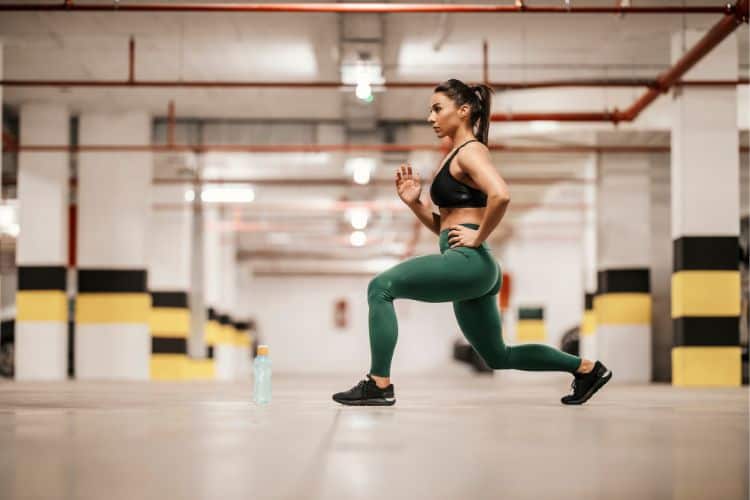
Finding time to work out can feel overwhelming, especially when high-impact routines leave your joints sore or exhausted. A 20-minute full body low impact workout offers the perfect balance of efficiency, effectiveness, and joint-friendly movement. This type of workout allows you to build strength, improve cardiovascular health, and burn calories without jumping, running, or putting excessive stress on your knees, hips, or lower back.
Low-impact training is ideal for beginners, women over 40 or 50, postpartum recovery, those returning from injury, or anyone who prefers a gentler but still challenging approach to fitness. In just 20 minutes, you can engage every major muscle group, elevate your heart rate, and feel energized rather than depleted. This guide will walk you through the benefits, structure, and execution of a full-body low-impact workout that fits seamlessly into even the busiest schedule.
A full body low impact workout is designed to work multiple muscle groups while keeping at least one foot on the ground at all times. Unlike high-impact routines that rely on jumping, sprinting, or explosive movements, low-impact workouts emphasize controlled strength exercises, steady cardio movements, and smooth transitions that reduce joint strain.
In a 20-minute session, the goal is to combine strength, mobility, and light cardiovascular training into a single efficient routine. Movements are often compound exercises, meaning they engage more than one muscle group at a time. This maximizes calorie burn and muscle activation without the need for fast or jarring motions.
One of the biggest advantages of low-impact workouts is how gentle they are on the joints. By eliminating jumping and high-force landings, you reduce wear and tear on the knees, ankles, hips, and spine. This makes the workout accessible to a wider range of fitness levels and ages.
A 20-minute workout removes the “no time” excuse. Short, focused sessions can still deliver impressive results when movements are intentional and well-structured. By training the entire body in one session, you avoid the need for long workouts or multiple training days.
Low-impact strength training improves muscle tone and endurance without placing excessive stress on the body. Using bodyweight or light resistance encourages controlled movement, which supports lean muscle development rather than bulky mass.
Even without high-impact cardio, a properly designed low-impact workout can elevate your heart rate and improve cardiovascular endurance. Continuous movement, minimal rest, and large muscle engagement keep your heart working efficiently.
Consistent low-impact workouts help increase daily calorie burn and improve metabolic health. When combined with proper nutrition, they support sustainable fat loss while preserving muscle mass.
A 20-minute low-impact workout is suitable for almost everyone, but it is especially beneficial for beginners who are just starting their fitness journey, women over 40 or 50 who want to protect their joints, individuals recovering from injury, postpartum women easing back into exercise, and anyone seeking a sustainable long-term fitness routine.
Low-impact training is not “easy” or ineffective. With proper form, controlled tempo, and intentional muscle engagement, it can be just as challenging as high-impact workouts while being far safer and more sustainable.
A proper warm-up prepares your muscles, joints, and nervous system for movement. Focus on gentle dynamic stretches and mobility exercises that increase blood flow and loosen stiff areas such as the hips, shoulders, and spine. This helps reduce injury risk and improves overall workout performance.
The core of the workout should include full-body strength movements combined with low-impact cardio exercises. These movements are performed continuously with little rest to keep your heart rate elevated while building muscle strength and endurance.
Cooling down allows your heart rate to gradually return to normal and helps prevent stiffness. Gentle stretching improves flexibility and promotes recovery, making it easier to stay consistent with your workouts.
Low-impact lower body exercises focus on controlled movements that strengthen the glutes, quadriceps, hamstrings, and calves. Squats, lunges, and hinge movements performed slowly and with proper form build strength without stressing the joints.
Upper body exercises target the chest, back, shoulders, and arms. Push and pull movements help improve posture, enhance upper body strength, and support daily functional tasks like lifting and carrying.
A strong core supports balance, posture, and injury prevention. Low-impact core exercises emphasize stability and control rather than fast, repetitive crunches. These movements engage the deep abdominal muscles while protecting the lower back.
Low-impact cardio movements elevate the heart rate without jumping. Marching, step-backs, controlled knee lifts, and slow tempo movements keep the workout dynamic and effective.
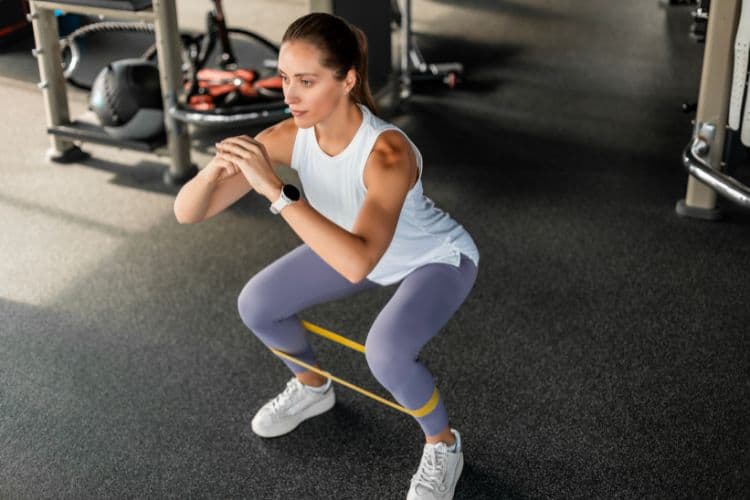
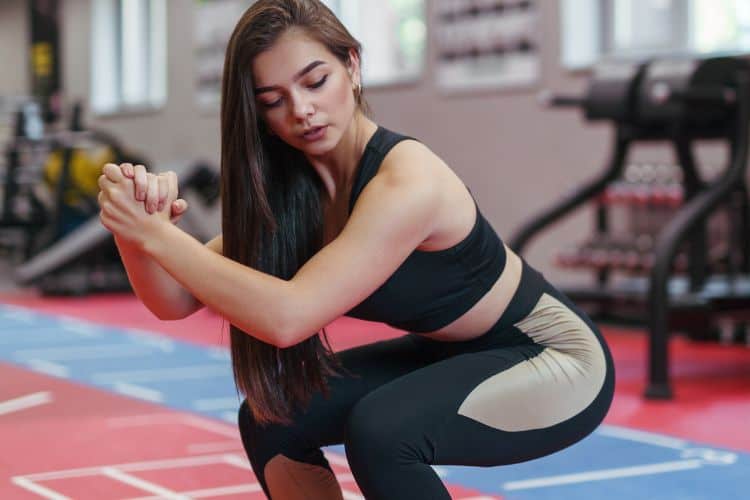
Begin with controlled squats that emphasize pushing through the heels and engaging the glutes. Move slowly on the way down and squeeze the glutes at the top. This builds strength while protecting the knees.
Transition into reverse lunges or step-back lunges. Stepping backward instead of forward reduces stress on the knees and allows better balance. Focus on maintaining an upright torso and controlled movement.
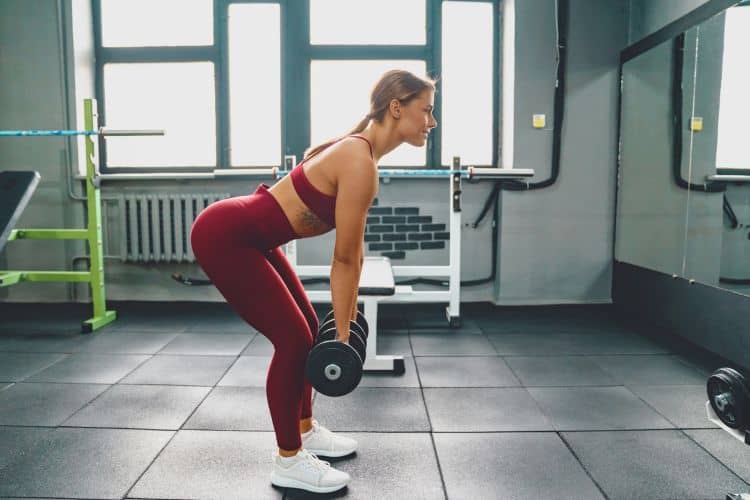
Add a hip hinge movement, such as a good-morning or deadlift pattern, to strengthen the hamstrings and lower back. Keep the spine neutral and hinge at the hips rather than rounding the back.
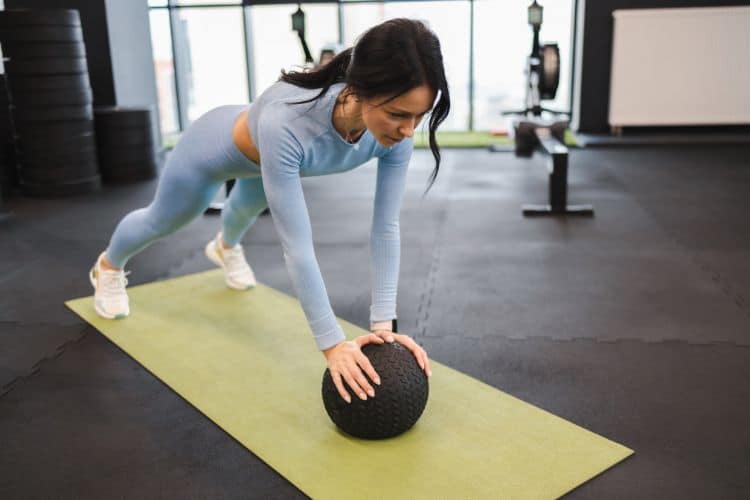
Incorporate push movements such as wall push-ups or incline push-ups to strengthen the chest, shoulders, and triceps. These variations reduce pressure on the wrists and shoulders while still building strength.
Follow with pulling movements like bent-over rows using light weights or resistance bands. Pulling exercises strengthen the upper back, improve posture, and balance out pushing movements.
Shoulder exercises such as controlled overhead presses or lateral raises help build shoulder stability and strength. Use light resistance and focus on smooth, controlled motion.
Core exercises should emphasize control and alignment. Standing core movements like knee lifts with a twist engage the abdominal muscles without placing pressure on the spine.
Add floor-based core work such as dead bugs or bird dogs to improve stability and coordination. These exercises strengthen the deep core muscles that support posture and movement.
Finish the workout with continuous low-impact cardio movements. March in place with high knees, perform step-touches with arm movements, or alternate side steps with reaches. Keep the movement fluid and controlled to maintain an elevated heart rate without impact.
Slowing down your movements increases muscle engagement and makes exercises more challenging without adding impact. Focus on controlled lowering phases and intentional muscle contractions.
Keeping rest periods short maintains an elevated heart rate and increases the cardiovascular challenge of the workout.
Using light dumbbells, resistance bands, or ankle weights increases intensity while still keeping the workout low impact.
Actively engaging the muscles you are working improves effectiveness. Concentrate on squeezing the muscles during each movement rather than rushing through the exercise.
One common mistake is assuming low impact means low effort. Proper form, control, and engagement are essential for results. Another mistake is skipping the warm-up, which can increase injury risk even in low-impact workouts. Using weights that are too heavy can compromise form and negate the joint-friendly benefits of low-impact training.
A full body low-impact workout can be done three to five times per week depending on your fitness level and goals. Beginners may start with three sessions per week, while more experienced individuals can perform these workouts more frequently as part of an active lifestyle.
Low-impact workouts are also excellent for active recovery days between more intense training sessions. They help maintain movement and circulation without overloading the body.
Yes, low-impact workouts can support weight loss when performed consistently and paired with a balanced diet. While they may burn slightly fewer calories per minute than high-impact workouts, their sustainability allows for greater long-term consistency. Over time, this leads to meaningful results without burnout or injury.
One of the biggest reasons people quit fitness routines is injury or exhaustion. Low-impact training reduces both risks. It supports longevity, allowing you to stay active for years rather than weeks or months. A 20-minute session feels manageable, which increases adherence and makes fitness a natural part of your daily routine.
A 20-minute full body low impact workout proves that you don’t need long or intense sessions to see results. With intentional movement, proper form, and consistency, low-impact training can improve strength, cardiovascular health, mobility, and overall well-being.
Whether you’re just starting out, returning after a break, or simply looking for a joint-friendly way to stay active, this style of workout offers a powerful and sustainable solution. Commit to showing up, move with purpose, and let each minute work in your favor.
For more ways to stay active and fit in short, effective sessions, be sure to explore other great workout plans on Women’s Fit Club. If you’re looking for additional full-body routines, check out our 20-Minute Full Body Exercise: Quick Workout for Strength, which delivers a fast and balanced strength session perfect for busy days. For workouts that build strength across multiple days, our 3 Day Dumbbell Workout Plan: 30-Minute Full Body Training Guide offers structured training you can follow at home. If you want routines tailored to time-crunched schedules, try the 25-Minute Workout Plan for Strength and Cardio for a blend of movements that get your heart rate up while building lean muscle. Women over 40 will love the Best 30-Minute Full Body Routine for Women Over 40 to Stay Fit with age-friendly strength and mobility workouts. And for a deeper dive into different approaches to fitness, explore our Best Workout Programs For Women: A Comprehensive Guide to help you build a routine that fits your goals and lifestyle.
Stay up to date on the latest women’s health, fitness and lifestyle trends and tips.
