


Sign up for workout ideas, training advice, reviews of the latest gear and more.

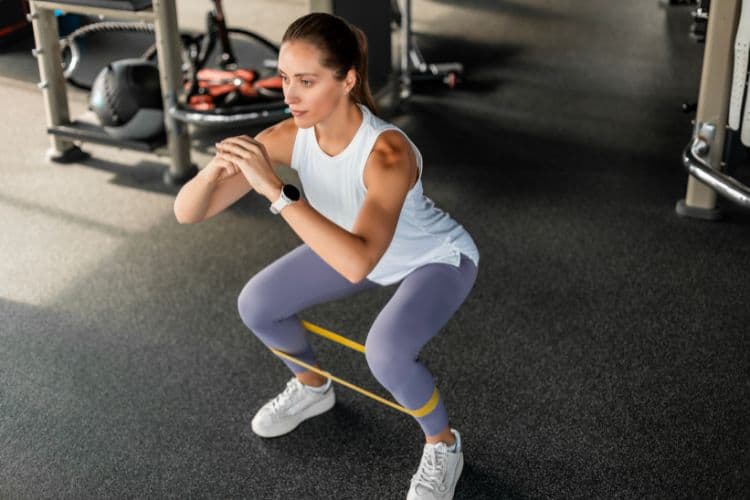

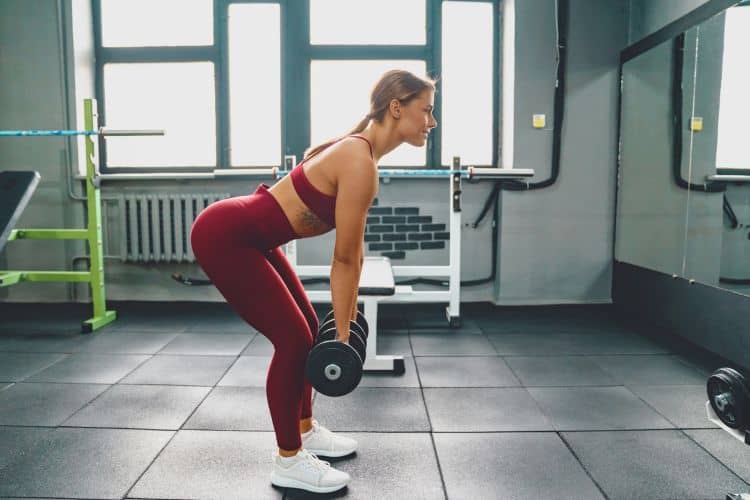
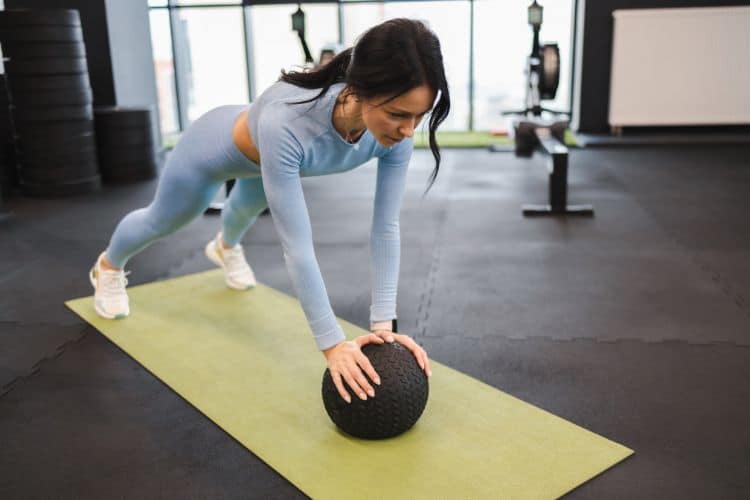

A 20-minute shoulder workout is one of the most efficient ways to build upper-body strength, improve posture, and create toned, defined shoulders—without spending hours in the gym. Whether you’re training at home with dumbbells or squeezing in a quick session at the gym, a short, focused shoulder routine can deliver impressive results when it’s structured correctly.
In this guide, you’ll find a complete 20-minute shoulder workout designed for strength, muscle tone, and joint health. You’ll also learn why shoulder training matters, how to warm up properly, and how to progress your workouts over time.
Many people assume shoulder workouts need long gym sessions to be effective. In reality, the shoulders respond extremely well to focused, time-efficient training. A 20-minute shoulder workout works because it emphasizes:
The shoulder muscles are relatively small, which means they don’t require excessive volume to grow stronger. Instead, they benefit most from precision and consistency.
Understanding shoulder anatomy helps you train smarter and avoid imbalances.
These muscles assist with pressing and lifting movements. They’re heavily involved in overhead presses, front raises, and push-style exercises.
The lateral delts create shoulder width and shape. Lateral raises and upright rowing patterns emphasize this area.
Often undertrained, rear delts support posture and shoulder stability. They’re activated during reverse flyes, face pulls, and rowing motions.
A balanced 20-minute shoulder workout targets all three heads to promote strength, symmetry, and injury prevention.
Short workouts reduce fatigue and keep your form sharp, allowing you to lift with better technique.
Strong rear delts and stabilizers help counteract rounded shoulders caused by sitting or desk work.
Well-trained shoulders protect the rotator cuff and reduce the risk of overuse injuries.
A 20-minute routine is easy to stick to, making it ideal for busy schedules.
One of the best things about shoulder training is its versatility.
This workout is designed primarily for dumbbells, but substitutions are included.
Never skip your warm-up. Shoulder joints are mobile and vulnerable without proper preparation.
This warm-up increases blood flow, activates stabilizers, and improves range of motion.
This workout is structured into circuits to maximize efficiency and intensity.
This compound movement targets the anterior and lateral delts while engaging the core.
The Arnold press increases time under tension and hits all three deltoid heads.
Repeat this circuit for 2 rounds.
Lateral raises are essential for shoulder width and definition.
Using a wider grip reduces strain and emphasizes the side delts.
Repeat for 2 rounds.
Front raises isolate the anterior delts and improve pressing strength.
Alternating presses challenge balance and coordination while increasing shoulder activation.
Repeat for 2 rounds.
Rear delts are critical for posture and shoulder health.
This movement reinforces shoulder stability and upper-back strength.
Repeat for 2 rounds.
Cooling down improves recovery and flexibility.
Stretching helps maintain mobility and reduces soreness.
For best results, train shoulders 2–3 times per week, depending on your overall program.
Allow at least 48 hours between intense shoulder workouts.
Progressive overload ensures continued improvement.
Even small progressions add up over time.
Swinging weights reduces muscle activation and increases injury risk.
Skipping rear delts leads to poor posture and shoulder imbalance.
Shoulders respond better to controlled, moderate loads.
Cold shoulders are more prone to strains and impingements.
If you’re new to shoulder training, reduce volume and intensity.
Focus on learning proper form before increasing resistance.
To turn this routine into a metabolic workout:
This approach increases calorie burn while maintaining muscle tone.
Yes—muscle growth depends on quality, consistency, and recovery, not workout length.
When paired with:
A 20-minute shoulder workout can build noticeable strength and definition.
Fueling your body improves performance and recovery.
Hydration also plays a key role in joint health and performance.
This balance supports recovery while keeping training consistent.
A 20-minute shoulder workout proves that you don’t need long sessions to see results. With smart exercise selection, proper form, and consistent effort, you can build strong, sculpted shoulders that support your entire upper body.
Whether your goal is strength, toning, posture improvement, or efficiency, this workout fits seamlessly into any fitness routine. Stay consistent, challenge yourself gradually, and your shoulders will reward you with strength, stability, and confidence.
When you’re looking to maximize your results in just 20 minutes, a targeted shoulder routine can strengthen and sculpt your upper-body while fitting perfectly into a busy schedule. For a deeper dive into effective shoulder training, check out our guide to the Best Workout for Shoulders to Build Size and Strength that explores key exercises and form tips. If you’re curious about bodyweight alternatives without equipment, our Bodyweight Shoulder Workouts Mobility Without Weights post offers variations you can do anywhere. Pairing your shoulder focus with a full-upper-body approach? Try the 30 Minute Back and Shoulder Dumbbell Workout for balanced strength and posture improvements. For inspiration on broader routines, explore our Workouts Archive with varied time-efficient plans. And if you’re just getting started, the 30 Minute Upper Body Dumbbell Workout for Beginners provides a supportive, full-body intro that complements your shoulder training.
Stay up to date on the latest women’s health, fitness and lifestyle trends and tips.
