


Sign up for workout ideas, training advice, reviews of the latest gear and more.

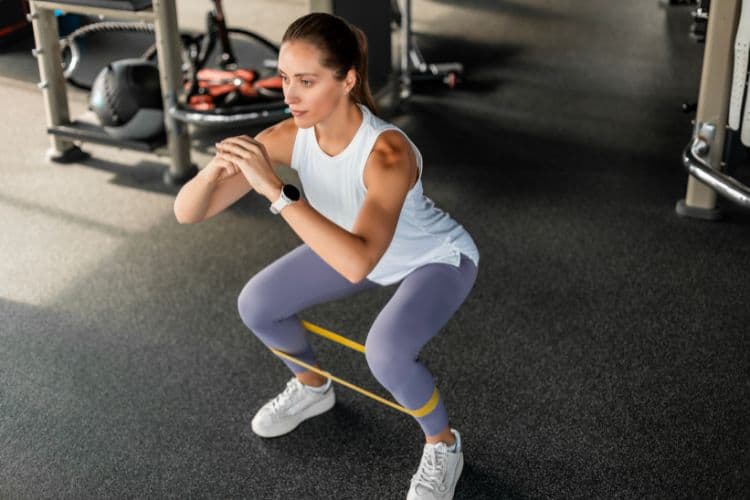




High-intensity interval training (HIIT) continues to be one of the most effective workout styles for burning fat, building strength, improving cardiovascular fitness, and maximizing calorie burn in a short amount of time. A 25-minute HIIT workout plan is the sweet spot for people who want fast, efficient training without sacrificing results. Whether you’re a beginner or advanced exerciser, HIIT allows you to push your limits while boosting metabolism long after the workout ends thanks to the afterburn effect (EPOC).
In this comprehensive guide, we break down the benefits, structure, and science behind a 25-minute HIIT routine, plus a complete follow-along workout you can perform anywhere—at home, outdoors, or at the gym. Let’s jump in.
A 25-minute HIIT workout alternates between short bursts of high-intensity effort and periods of low-intensity recovery. This interval-based approach keeps your heart rate elevated, stimulates fat burning, and builds both strength and endurance simultaneously.
HIIT exercises can include bodyweight movements, dumbbells, kettlebells, plyometrics, or cardio drills. The 25-minute format is ideal because it’s long enough to challenge your cardiovascular system yet short enough to maintain near-max effort during work intervals.
A typical 25-minute HIIT workout includes:
In just 25 minutes, you can burn more calories than steady-state cardio done for twice as long. HIIT pushes you to operate near 80–95% of your max effort, which dramatically increases fat oxidation.
One of the biggest perks is the afterburn effect, also known as EPOC (Excess Post-Exercise Oxygen Consumption). After intense intervals, your body continues burning calories during recovery—sometimes for up to 24–48 hours.
HIIT mixes explosive and strength-based exercises to improve:
This all-in-one approach is perfect for busy schedules.
You can complete a full 25-minute HIIT workout using only your body weight. However, you can increase intensity using dumbbells, kettlebells, or resistance bands.
Because HIIT targets both aerobic and anaerobic systems, it enhances calorie burn and fat loss more effectively than slow cardio. The combination of intense bursts and short rests keeps your metabolism elevated throughout the workout.
A well-designed HIIT routine balances intensity, rest, and movement variety. Below is the structure used for the workout plan in this article:
This prepares your muscles, joints, and cardiovascular system.
Four HIIT circuits, each 4 minutes long:
Light stretching and breathing to return the heart rate to normal.
This layout ensures proper progression while maintaining the high-intensity demands of HIIT.
Below is a full follow-along routine you can perform at home or at the gym. No equipment required—just energy, determination, and consistency.
Spend the first three minutes gradually elevating your heart rate:
Your body should feel loose, warm, and ready for movement.
Explosive squats that build leg power and elevate heart rate quickly.
Focus on soft landings to protect your joints.
Targets quads, hamstrings, and glutes while improving balance.
Keep your torso upright and core tight.
Drive your knees upward rapidly while pumping your arms.
Great cardio burst to spike the heart rate.
Strengthens inner thighs, hips, and glutes while enhancing mobility.
A dynamic movement that improves hamstring activation and keeps the heart rate high.
A classic strength-building move for chest, shoulders, and triceps.
Modify on knees if needed.
Strengthens core stability while engaging the upper body.
Try to minimize hip sway.
Targets the back of the arms and improves upper-body endurance.
A full-body movement that improves core stability and shoulder strength.
One of the best full-body calorie burners.
Add a jump at the top for increased intensity.
A rapid core-cardio combo that targets abs, shoulders, and hip flexors.
Sit slightly reclined, twist side to side.
Add weight for more challenge.
Excellent for obliques and lower abs.
Maintain smooth, controlled movement.
A plank variation that increases heart rate while challenging the core.
Focus on slow, controlled movement for deep core activation.
Jump side to side, landing softly.
Improves agility, balance, and lateral strength.
Engages glutes, quads, and core with a balance element.
Quick movement challenge that builds speed and coordination.
An explosive cardio finisher that pushes your metabolic limits.
Go all out—this is your final push.
Drive your knees up and pump your arms.
Finish your workout with:
Cooldowns help reduce soreness and improve recovery.
Even when moving quickly, technique should come before speed. Poor form increases injury risk and reduces effectiveness.
HIIT is only effective when intensity is high. Aim for an effort level of 8–9 out of 10 during each work interval.
Beginners can reduce impact or duration; advanced exercisers can add weights or jump variations.
Perform this workout 3–4 times per week for best results.
The goal is to reach 80–90% of your max heart rate during work intervals.
This ensures you’re training in the high-intensity zone.
If you’re new to HIIT, try:
Go at your own pace while still challenging yourself.
Increase the intensity by:
A 25-minute HIIT workout is especially effective for women who want efficient, fat-burning workouts without spending hours at the gym. Benefits include:
HIIT is also an excellent option for busy women balancing work, family, and personal goals.
Most people will see optimal results with:
HIIT is demanding, so quality and recovery matter more than frequency.
No gym membership required!
Monday: 25-Minute Lower Body & Cardio HIIT
Wednesday: 25-Minute Full-Body HIIT
Friday: 25-Minute Core & Conditioning HIIT
Saturday: Optional: 25-Minute Dumbbell HIIT
This balances strength, cardio, and recovery.
Eat a light snack 30–60 minutes beforehand.
Good options:
Focus on protein + carbs within 1 hour:
Proper nutrition accelerates recovery and muscle building.
A 25-minute HIIT workout plan is one of the fastest, most effective ways to torch calories, burn fat, and improve full-body fitness. It’s quick, flexible, and powerful enough to deliver visible results when done consistently. With no equipment required and endless exercise variations, HIIT is the perfect solution for busy women who want challenging, energizing workouts.
Use this routine 3–4 times per week and gradually increase intensity as you get stronger. Whether your goal is weight loss, toning, or building endurance, this 25-minute HIIT plan is a proven, efficient way to reach your goals.
At Women’s Fit Club, we’re all about helping busy women build strength, burn fat, and stay consistent — whether you prefer quick routines or more structured workouts that grow with you. If you’re pressed for time, check out our [3-Day Dumbbell Workout Plan: 30-Minute Full-Body Training Guide] for an efficient way to tone your body. For a slightly longer option that blends strength and cardio, our [Ultimate 5-Day Dumbbell-Only Workout Plan] delivers balanced muscle development and metabolic boost. Just starting out? The [20-Minute Full Body Compound Workout] is a great way to build foundational strength without the time commitment. If your goal is fat-burning and endurance, the [45-Minute Full Body Dumbbell MetCon Workout] can take you to the next level. And for those seeking variety on a tight schedule, our [10-Minute Progressive Overload Workout Plan] offers a quick, effective routine you can squeeze into any busy day.
Stay up to date on the latest women’s health, fitness and lifestyle trends and tips.
