


Sign up for workout ideas, training advice, reviews of the latest gear and more.

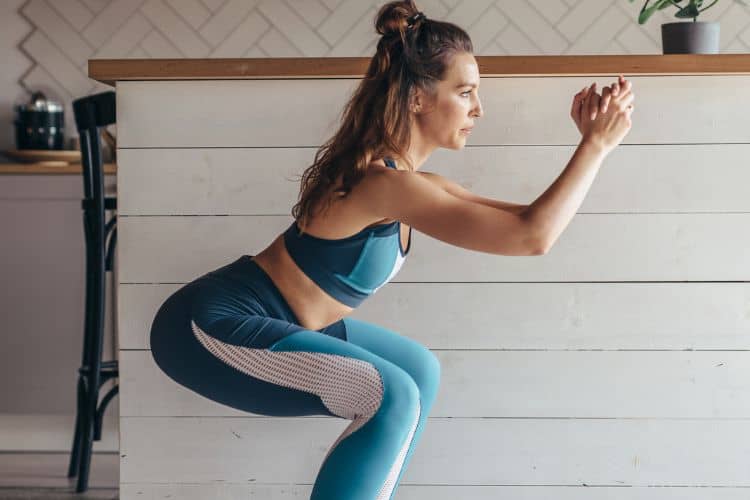
Finding time to work out can be challenging, especially when balancing work, family, and daily responsibilities. That’s why a 30 minute full body superset workout at home is one of the most effective and efficient ways to build strength, burn calories, and improve overall fitness without needing a gym or long training sessions. Superset training allows you to pair exercises back-to-back with minimal rest, helping you maximize intensity while keeping your workout short and effective.
This comprehensive guide breaks down everything you need to know about full body supersets at home—from benefits and structure to a complete 30-minute workout plan, modifications for all fitness levels, and tips to help you see results faster. Whether your goal is fat loss, muscle tone, or overall strength, this workout fits seamlessly into a busy lifestyle.
A full body superset workout involves performing two exercises in a row with little to no rest between them. These paired exercises typically target either opposing muscle groups (like upper body and lower body) or different movement patterns to keep your heart rate elevated while muscles recover efficiently.
When performed at home, supersets often combine bodyweight movements with dumbbells or resistance bands, making them accessible, flexible, and highly effective. Instead of isolating one muscle group, a full body approach ensures that your legs, glutes, core, back, chest, shoulders, and arms all get challenged within a single session.
Thirty minutes is long enough to stimulate muscle growth, elevate metabolism, and improve cardiovascular endurance—especially when structured with supersets. You get more work done in less time compared to traditional straight-set workouts.
Superset workouts keep your heart rate elevated, increasing calorie burn during the workout and boosting post-exercise calorie expenditure. This makes them ideal for fat loss and body recomposition.
You don’t need a full gym setup to get strong. Strategic exercise pairing creates muscular tension and fatigue, promoting strength and muscle tone using minimal equipment.
By reducing rest time and alternating movements, supersets train your muscles to work efficiently while improving stamina and cardiovascular fitness.
A 30 minute full body superset workout at home is suitable for a wide range of fitness levels. Beginners can start with bodyweight-only options and longer rest periods, while intermediate and advanced exercisers can increase intensity with weights, tempo control, or added reps.
This style of workout is especially beneficial for:
This workout is designed to be flexible. You can complete it entirely with bodyweight, but adding light to moderate weights increases resistance and results.
To maximize effectiveness in 30 minutes, structure is key. This workout is divided into warm-up, main superset circuits, and a cool-down.
Each superset includes two exercises performed back-to-back, followed by a short rest before repeating.
A proper warm-up increases blood flow, improves mobility, and reduces injury risk. Focus on dynamic movements that activate major muscle groups.
Spend 30–45 seconds on each:
By the end of the warm-up, your body should feel loose, warm, and ready to work.
This superset targets the glutes, quads, and hamstrings while raising your heart rate.
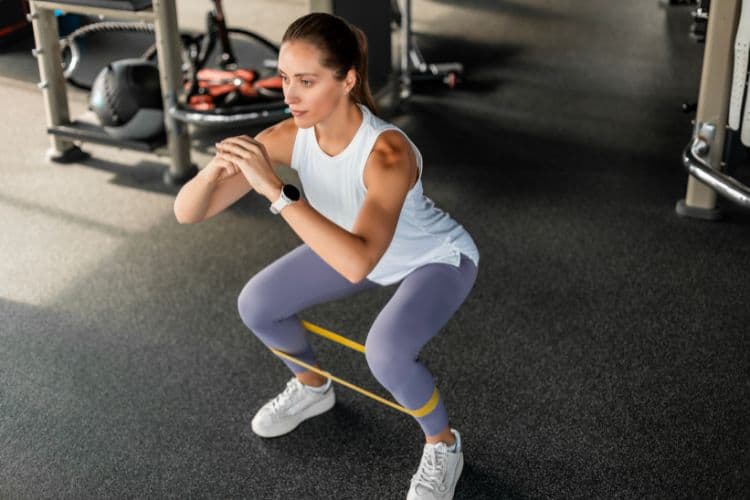
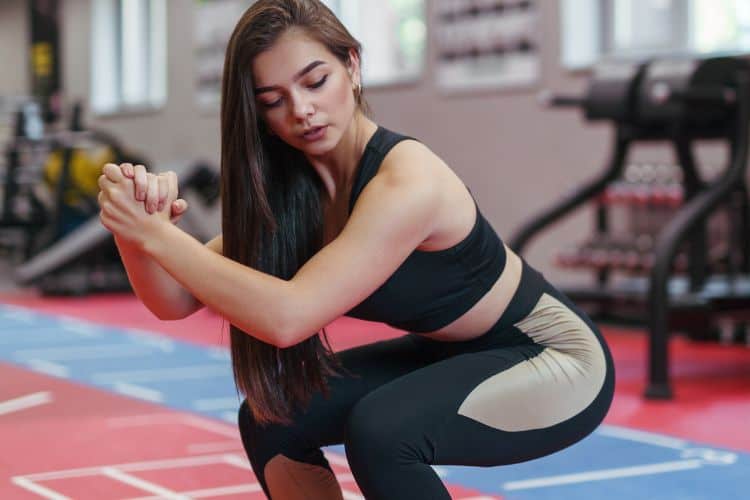
Exercise A: Squats (bodyweight or dumbbells)
Exercise B: Reverse Lunges (alternating legs)
Perform 12–15 squats immediately followed by 10–12 reverse lunges per leg. Rest for 30–45 seconds, then repeat for 3 rounds. Focus on controlled movements and proper form to maximize muscle engagement.
This pairing balances chest, shoulders, back, and arms for full upper-body engagement.
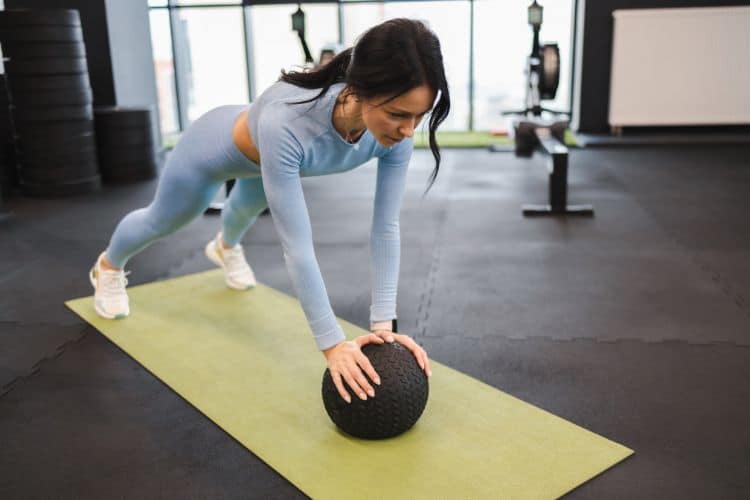
Exercise A: Push-Ups (knees or toes)
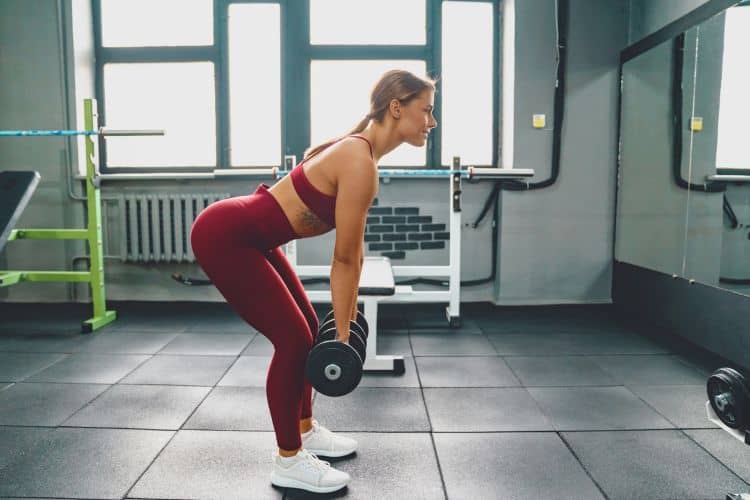
Exercise B: Bent-Over Rows (dumbbells or bands)
Complete 8–12 push-ups followed by 12–15 rows. Rest briefly, then repeat for 3 rounds. Keep your core tight throughout both movements to protect your lower back.
Strong glutes and a stable core are essential for posture, balance, and injury prevention.
Exercise A: Glute Bridges
Exercise B: Plank Hold
Perform 15–20 glute bridges immediately followed by a 30–45 second plank. Rest for 30 seconds and repeat for 3 rounds. Squeeze your glutes at the top of each bridge and maintain a neutral spine during the plank.
This superset improves shoulder strength while training rotational core stability.
Exercise A: Shoulder Press (dumbbells or bodyweight)
Exercise B: Russian Twists (bodyweight or weighted)
Complete 12–15 shoulder presses followed by 20 total Russian twists. Rest briefly and repeat for 3 rounds. Move with control and avoid rushing through reps.
Finish strong with a metabolic superset that elevates heart rate and challenges the entire body.
Exercise A: Mountain Climbers
Exercise B: Bodyweight Squats or Jump Squats
Perform mountain climbers for 30–40 seconds, immediately followed by 15–20 squats or jump squats. Rest for 30 seconds and repeat for 2–3 rounds depending on time and energy.
Cooling down helps lower your heart rate, reduce muscle soreness, and improve flexibility.
Hold each stretch for 20–30 seconds:
Focus on slow breathing to help your body recover.
Beginners should focus on form and consistency rather than speed or heavy resistance. Use bodyweight movements, reduce reps, and extend rest periods as needed.
Intermediate exercisers can add dumbbells, increase reps, or shorten rest periods to boost intensity while maintaining good technique.
Advanced trainees can increase weight, slow down tempo, add pulses, or extend each superset to four rounds for an extra challenge.
A 30 minute full body superset workout at home can be performed 3–4 times per week. On non-training days, consider active recovery such as walking, stretching, yoga, or mobility work to support recovery and prevent burnout.
Consistency is key. Stick to your workout schedule and aim for progressive overload by gradually increasing reps, resistance, or intensity. Pair your workouts with proper nutrition, hydration, and sleep to support recovery and performance.
Listening to your body is equally important. Rest when needed and focus on quality movement rather than rushing through exercises.
Absolutely. When designed properly, a 30 minute full body superset workout at home delivers impressive results in strength, endurance, and overall fitness. Supersets maximize efficiency, making them ideal for busy schedules without sacrificing effectiveness.
Whether you’re just starting your fitness journey or looking to maintain strength at home, this workout provides a balanced, time-efficient solution you can rely on. Commit to consistency, challenge yourself gradually, and enjoy the benefits of stronger muscles, better energy, and improved confidence—all from the comfort of your home.
For women looking to maximize results in minimal time, a 30-minute full body superset workout at home delivers both strength and conditioning benefits in one efficient session—perfect for busy schedules and all fitness levels. Superset training, where two exercises are paired back-to-back with little rest, accelerates fat burn and builds lean muscle while keeping your heart rate elevated throughout the routine (learn more about superset training strategies in our guide on Best Muscle Groups to Train Together. If you’re new to at-home training and want a gentler option that still engages the whole body, check out our 30-Minute Low Impact Full Body Workout for Strength & Cardio. For strength-focused options you can do with minimal equipment, our Muscle-Building Dumbbell Workout: 30-Minute Full Body Routine is ideal. Looking to expand beyond supersets, the 3-Day A Week Superset Workout Routine for Busy People offers a structured plan to build strength and endurance over time, and for focused sessions aimed at sculpted arms and upper body strength, try our Best 30-Minute Upper Body Workout Plan for Strength and Toning.
Stay up to date on the latest women’s health, fitness and lifestyle trends and tips.
