


Sign up for workout ideas, training advice, reviews of the latest gear and more.


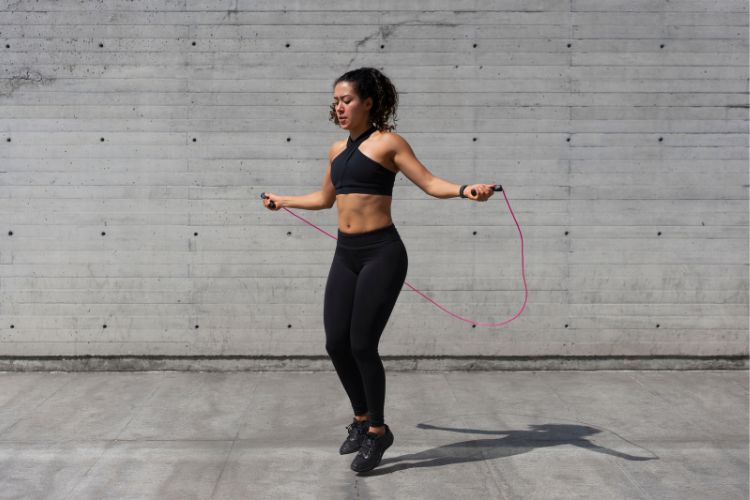
A 30-minute beginner HIIT jump rope workout is one of the fastest, most effective ways to burn fat, improve cardiovascular endurance, and build full-body strength in a short amount of time. Jump rope training blends classic cardio with modern high-intensity interval training (HIIT), making it ideal for beginners who want results without complicated gym equipment. Whether you’re training at home, in a small apartment, or in a gym, a jump rope delivers a powerful workout that fits into even the busiest schedule.
Unlike steady-state cardio such as jogging or cycling, HIIT jump rope sessions push your heart rate up in short, controlled bursts, followed by recovery periods that allow you to catch your breath. This method increases calorie burn, boosts metabolism, and improves endurance much faster than traditional cardio alone. Best of all, jump rope workouts are scalable, meaning beginners can start slow and progress safely while still seeing impressive fitness gains.
Jump rope training is often associated with boxers and elite athletes, but it is just as powerful for beginners. The repetitive bouncing motion activates nearly every muscle group in your body while keeping your joints more protected than running or plyometrics. When paired with HIIT intervals, jump rope becomes an extremely efficient workout.
Unlike complex gym equipment or advanced dance-style cardio, jumping rope is simple to learn. You only need to master a basic bounce before you can enjoy the benefits. Even slow, controlled jumps elevate your heart rate quickly, allowing beginners to work at their own pace while still getting a full cardio burn.
A 30-minute jump rope workout can burn as many or more calories than running, rowing, or cycling. The HIIT structure makes it even more effective because your body continues burning calories long after your workout ends thanks to excess post-exercise oxygen consumption, also known as the afterburn effect.
Every jump challenges your coordination, timing, and foot placement. Over time, this improves balance, agility, and neuromuscular control, which are especially important for beginners building a fitness foundation.
A structured jump rope HIIT routine offers far more than just weight loss. It improves your entire body from head to toe.
Short bursts of high-intensity jumping spike your heart rate and force your body to burn stored fat for energy. Over time, this increases metabolic efficiency, helping you burn more calories even while resting.
Jump rope HIIT strengthens the cardiovascular system. Your heart learns to pump blood more efficiently, and your lungs become better at delivering oxygen to your muscles, which means less fatigue during everyday activities.
Your calves, thighs, glutes, core, shoulders, and arms all work together when jumping rope. Even beginners will feel toned and stronger after just a few weeks of consistent training.
A 30-minute session is long enough to deliver real results while still being easy to fit into a busy day. You get strength, cardio, and coordination training all in one workout.
One of the best things about jump rope workouts is how simple they are. You don’t need a gym membership or expensive equipment.
A lightweight adjustable jump rope is ideal for beginners. The handles should fit comfortably in your hands, and the rope should be long enough that when you step on it, the handles reach your chest.
Wear supportive athletic shoes with cushioning to protect your joints. Jumping on a rubber gym mat, hardwood floor, or smooth concrete surface works well. Avoid soft carpet, which can slow down your rope.
Warming up is critical for preventing injuries and improving performance.
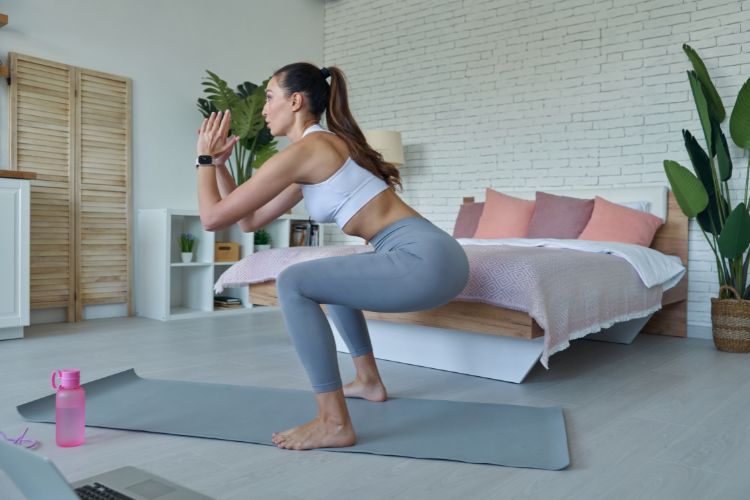
Start with light movements to get your blood flowing and loosen your joints. March in place, perform arm circles, do bodyweight squats, and practice gentle rope swings without jumping. This prepares your muscles and nervous system for the more intense work ahead.
This workout uses simple, repeatable intervals to keep things beginner-friendly while still delivering a powerful burn.
The session is divided into three main phases:
You will alternate between 40 seconds of jumping and 20 seconds of rest. This ratio allows beginners to recover while still keeping the heart rate elevated.
You don’t need fancy tricks to get great results. These basic movements are more than enough for beginners.
Jump with both feet together while keeping your elbows close to your body. This is your foundation move and should be used for most of the workout.
This mimics a jogging motion and reduces impact on the joints. It’s perfect when you feel tired but still want to keep moving.
Shift your weight from foot to foot while jumping. This helps build rhythm and endurance without increasing intensity.
For short bursts, lift your knees slightly higher to increase calorie burn.
Repeat this sequence for the full 20 minutes.
Continue rotating through these simple movements. Beginners can always slow down or pause when needed.
Cooling down helps your heart rate return to normal and prevents muscle soreness.
Walk in place while swinging your arms, then stretch your calves, hamstrings, hips, shoulders, and back. Gentle stretching improves flexibility and speeds recovery.
For best results, aim for three to four sessions per week. This allows your body to recover while still promoting fat loss and fitness gains. On off days, you can do light walking, yoga, or strength training to stay active.
Jump rope HIIT is safe when done correctly, but beginners should follow these guidelines.
Jump lower and move at a comfortable pace. Speed and height will naturally increase over time.
Keep your chest tall, shoulders relaxed, and core engaged. Avoid hunching or swinging your arms too wide.
If you feel dizzy or experience sharp pain, stop and rest. Progress should feel challenging but not overwhelming.
Many beginners rely on treadmills or stationary bikes, but jump rope offers more benefits in less time.
Jump rope engages your upper body and core, not just your legs. It also improves coordination, bone density, and athletic performance. Because it’s weight-bearing, it strengthens bones while burning fat, making it a smarter long-term choice.
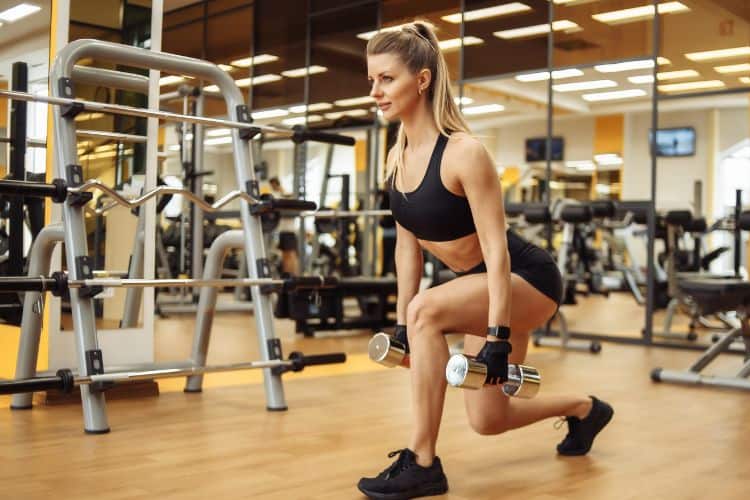
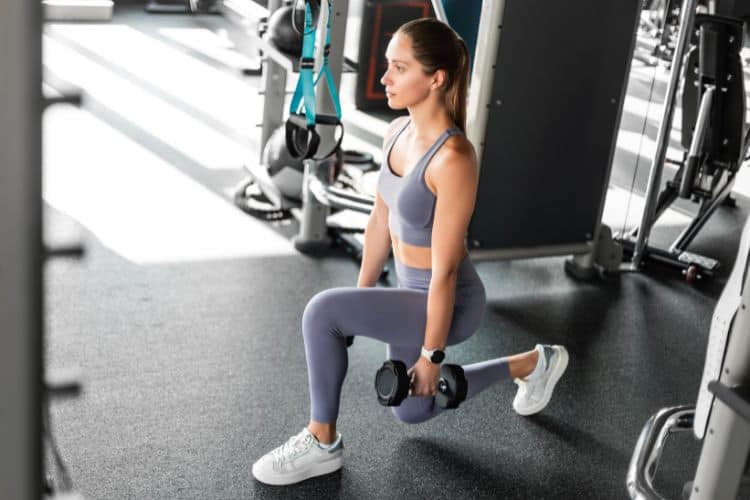
For even better results, pair jump rope HIIT with light strength training. Squats, lunges, push-ups, and planks complement jump rope by building muscle and improving overall fitness.
Most beginners notice improved stamina within one week and visible fat loss within three to four weeks. Consistency and proper nutrition will speed up these results.
A 30-minute beginner HIIT jump rope workout is one of the most powerful tools you can use to lose weight, improve endurance, and build a strong, healthy body. It’s simple, affordable, and incredibly effective. Whether your goal is fat loss, better heart health, or increased energy, jump rope HIIT delivers all of it in just half an hour.
If you’re ready to transform your fitness without spending hours in the gym, grab a jump rope and start today. Consistent effort, even at a beginner pace, leads to incredible results.
For more ways to boost your fitness routine, check out our well-rounded workout plans on The Best 30-Minute Functional Workout Plan For Women to build strength and mobility at home or in the gym. If you’re looking to expand your cardio options beyond jump rope, explore the 20-Minute HIIT Jump Rope Workout For a Full-Body Fat Burn for an alternative interval challenge. For a strength-focused approach complementing your HIIT routine, don’t miss our 3-Day Dumbbell Workout Plan: 30-Minute Full Body Training Guide. You can also balance your training with other popular workouts like the Best 30-Minute Full Body Routine For Women Over 40 To Stay Fit. Finally, discover the variety of fitness articles we offer on Women’s Fit Club under our Women’s Fitness workouts category, where you’ll find even more ideas to keep your workouts fresh and effective
Stay up to date on the latest women’s health, fitness and lifestyle trends and tips.
