


Sign up for workout ideas, training advice, reviews of the latest gear and more.

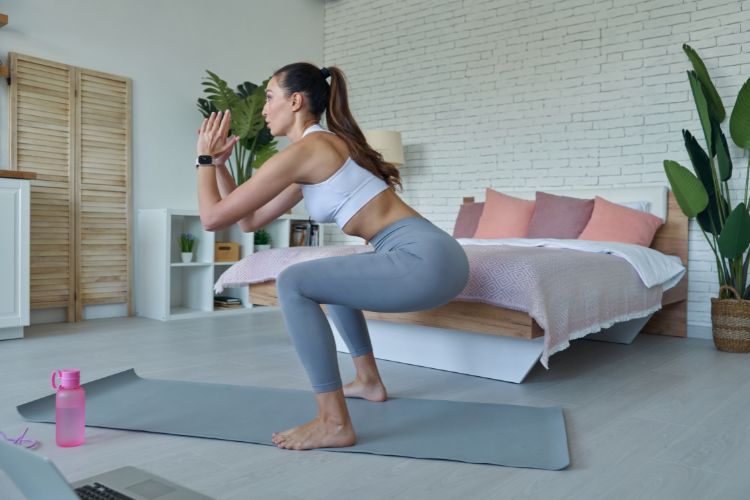
A 30-minute bodyweight leg exercise workout is one of the most effective and accessible ways to build lower-body strength, improve muscle tone, and boost cardiovascular fitness—without needing any equipment. Whether you’re short on time, working out at home, traveling, or simply prefer equipment-free training, bodyweight leg exercises deliver powerful results when structured correctly.
This workout format targets all major lower-body muscle groups, including the quads, hamstrings, glutes, calves, and stabilizing muscles around the hips and knees. By combining compound movements, unilateral exercises, and controlled tempo work, a 30-minute leg workout can improve strength, endurance, balance, and overall functional fitness.
In this guide, you’ll learn how a bodyweight leg workout works, why it’s so effective, and how to structure a complete 30-minute leg workout at home that supports fat loss, muscle tone, and long-term joint health.
A 30-minute bodyweight leg workout offers the perfect balance between efficiency and effectiveness. It’s long enough to create muscle fatigue and metabolic demand, yet short enough to fit into a busy schedule.
Bodyweight leg training allows you to focus on movement quality, range of motion, and muscle engagement without the distraction of external loads. This makes it especially valuable for beginners, women returning to fitness, and anyone prioritizing joint health and functional strength.
Because leg muscles are among the largest in the body, training them with continuous movement elevates heart rate quickly, making this workout both a strength and cardio-conditioning session.
Bodyweight leg exercises provide far more than convenience. When performed with intention and progression, they can be just as challenging as weighted workouts.
One major benefit is improved muscular endurance. High-rep bodyweight movements force the legs to work continuously, enhancing stamina and muscle tone. Another key advantage is joint stability, as exercises like lunges, squats, and single-leg movements strengthen the hips, knees, and ankles through natural movement patterns.
Bodyweight leg workouts also support fat burning. Keeping rest periods short and moving through dynamic lower-body exercises increases calorie expenditure and post-workout metabolic rate. Over time, this leads to leaner legs and improved lower-body definition.
A well-designed bodyweight leg workout targets all major lower-body muscle groups.
The quadriceps are heavily engaged during squats, lunges, and step-back movements. The hamstrings work during hip-hinge exercises, reverse lunges, and controlled descents. The glutes activate during squats, bridges, lunges, and any single-leg movement that requires hip extension.
Smaller stabilizing muscles, including the hip abductors and adductors, play a critical role in balance-focused exercises, while the calves are engaged during jumping, pulsing, and toe-drive movements.
The key to an effective 30-minute leg workout is intelligent structure. Rather than performing random exercises, the workout should progress from activation to strength work and finish with endurance and burn-out movements.
A balanced structure includes:
This approach ensures full muscle activation while reducing injury risk and improving workout performance.
A proper warm-up prepares the muscles, joints, and nervous system for the workout ahead. It should focus on mobility, activation, and increasing blood flow.
Dynamic leg movements such as bodyweight squats, leg swings, hip circles, and marching patterns gently increase range of motion while activating the glutes and quads. Spending just five minutes warming up can dramatically improve workout quality and reduce soreness afterward.
This 30-minute bodyweight leg workout is divided into structured sections designed to progressively challenge your lower body.
This phase prepares the muscles for harder work by emphasizing control and engagement.
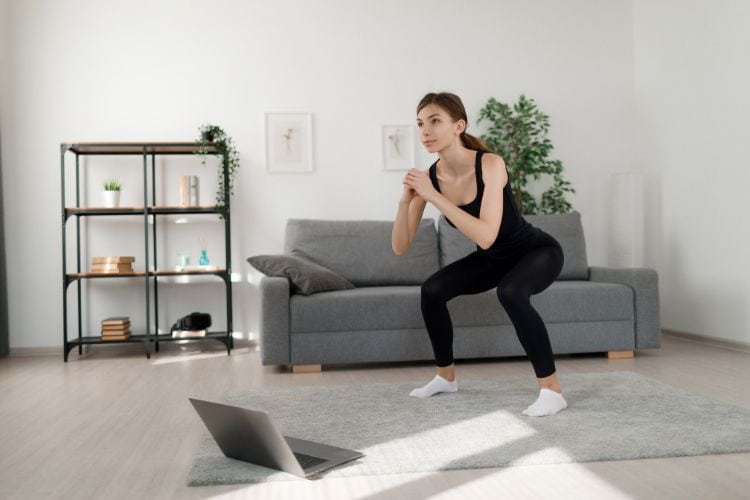
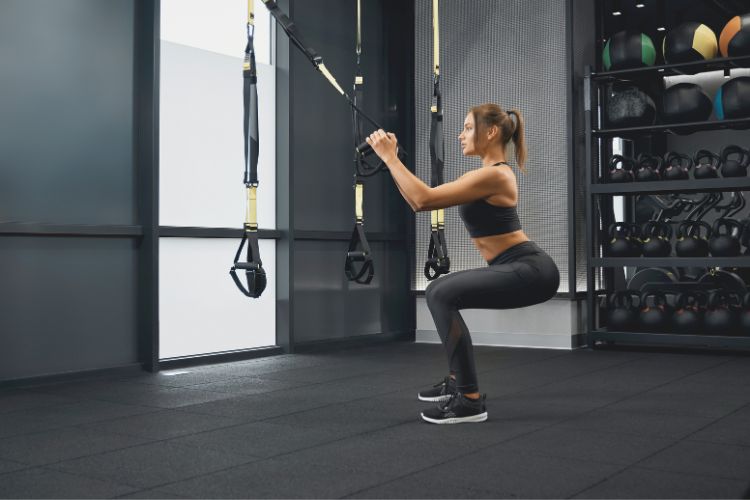
Bodyweight squats are the foundation of leg training. Focus on pushing through your heels, keeping your chest lifted, and engaging your glutes at the top.
This exercise strengthens the quads, glutes, and hamstrings while reinforcing proper squat mechanics.
Reverse lunges are gentler on the knees than forward lunges and help activate the glutes and hamstrings more effectively.
Stepping backward encourages balance and control while reducing joint strain.
This phase increases muscle fatigue and builds endurance by combining compound movements with minimal rest.
Holding a squat position creates intense time under tension for the quads and glutes. This improves muscular endurance and mental resilience.
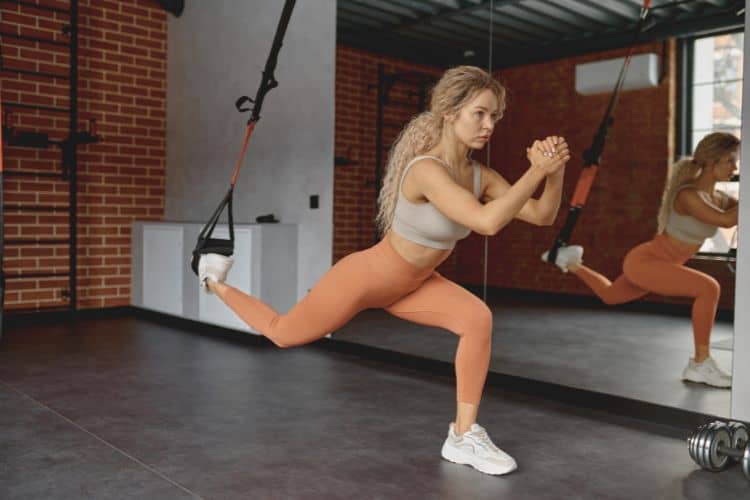
Curtsy lunges activate the glute medius and inner thighs, improving hip stability and shaping the outer glutes.
This movement also challenges balance, which engages stabilizing muscles throughout the lower body.
Balancing on one leg while hinging forward strengthens the hamstrings and glutes while improving coordination and posture.
Keeping the movement slow and controlled increases effectiveness.
Leg workouts don’t need to be slow to be effective. Adding dynamic movements increases calorie burn and cardiovascular demand.
Small controlled pulses at the bottom of a squat keep the muscles under constant tension, creating a powerful leg burn.
This dynamic squat variation improves coordination while maintaining continuous leg engagement.
High knees elevate heart rate while strengthening hip flexors and quads, adding a cardio element without high impact.
This phase emphasizes posterior-chain strength, which is essential for balanced leg development.
Glute bridges isolate the glutes and hamstrings, improving hip extension strength and supporting lower-back health.
Progressing to a single-leg version increases intensity and corrects muscle imbalances.
The final minutes of the workout push the legs to fatigue, maximizing muscle stimulus and calorie burn.
Holding a deep squat position challenges both physical and mental endurance while fully engaging the quads.
Calf raises strengthen the lower legs and improve ankle stability, which supports overall leg performance.
Cooling down helps reduce muscle tension and improves flexibility. Stretching the quads, hamstrings, glutes, calves, and hips allows the muscles to recover more efficiently.
Slow breathing during stretching helps lower heart rate and promotes relaxation after the workout.
A 30-minute bodyweight leg workout can be performed two to four times per week, depending on your goals and recovery ability. For muscle toning and endurance, two to three sessions weekly are ideal. For fat loss and conditioning, combining leg workouts with full-body or cardio sessions can accelerate results.
Always allow at least one rest or lighter training day between intense lower-body sessions to support recovery.
As your strength improves, bodyweight workouts should evolve to stay effective. Slowing down repetitions, adding pause holds, increasing single-leg work, or reducing rest time all increase intensity without equipment.
Focusing on mind-muscle connection and controlled movement ensures muscles stay engaged throughout each exercise.
Rushing through repetitions reduces muscle activation and increases injury risk. Poor posture, such as collapsing the chest or allowing knees to cave inward, can strain joints and reduce workout effectiveness.
Maintaining proper alignment and controlled movement is more important than speed or repetition count.
This workout style is suitable for beginners, intermediate exercisers, busy professionals, and anyone working out at home. It’s also ideal for women returning to exercise after time off or those looking for a low-equipment, joint-friendly routine.
With proper modifications, bodyweight leg workouts can be adapted for nearly all fitness levels.
A 30-minute bodyweight leg exercise workout proves that you don’t need equipment to build strong, toned, and powerful legs. With the right structure, focused movements, and consistent effort, bodyweight training can deliver impressive strength, endurance, and fat-burning benefits.
By prioritizing movement quality, muscle engagement, and progressive challenge, this workout style becomes a sustainable and effective part of any fitness routine. Whether your goal is lean legs, improved mobility, or better overall fitness, a bodyweight leg workout is a powerful and accessible solution you can do anytime, anywhere.
For women seeking to deepen their fitness journey, incorporating varied leg routines and related workouts can enhance both strength and results. For example, our 30‑Minute Bodyweight HIIT Leg Workout for a Powerful Lower Body offers a high-intensity take on leg training that complements traditional bodyweight sessions, while the Best 30‑Minute Leg Workout to Build Strength and Tone provides scalable options for all fitness levels. If you enjoy structured lower-body programs, check out The Ultimate 30‑Minute Leg Day: Bodyweight & Band HIIT Workout to add resistance and elevate muscle engagement. To broaden your routine beyond leg-focused sessions, our 30‑Minute Bodyweight Superset Workout for Full‑Body Burn delivers efficient full-body training in the same time frame, and beginners will find the 10 Best Bodyweight Leg Exercises for Beginners and Advanced guide helpful for mastering key lower-body movements.
Stay up to date on the latest women’s health, fitness and lifestyle trends and tips.
