


Sign up for workout ideas, training advice, reviews of the latest gear and more.

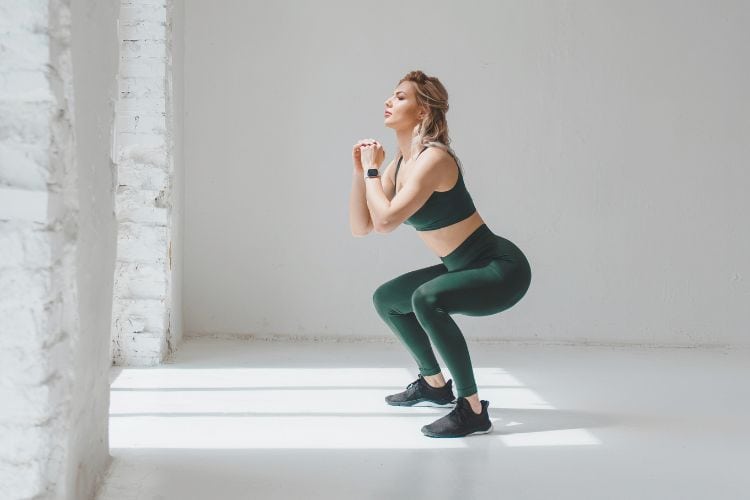
Finding time to work out can feel overwhelming, especially when life is busy and gym access isn’t always convenient. That’s where a 30-minute bodyweight workout challenge becomes a game-changer. No equipment, no commute, no complicated setup—just your body, a small space, and half an hour dedicated to moving with purpose. This type of workout is one of the most effective ways to build strength, burn calories, and improve endurance while keeping your routine flexible and sustainable.
In this comprehensive guide, you’ll discover how a 30-minute bodyweight workout challenge works, why it’s so effective, and how to structure each session for maximum results. Whether you’re a beginner looking for an accessible starting point or someone ready to push your limits, this challenge is designed to meet you where you are and help you progress week after week.
A 30-minute bodyweight workout challenge is a structured routine that uses your own body weight as resistance to train your entire body in a short, efficient time frame. Instead of relying on dumbbells, machines, or bands, you perform movements like squats, lunges, push-ups, planks, and dynamic cardio exercises that engage multiple muscle groups at once.
The “challenge” aspect comes from consistency and progression. You repeat the workout multiple times per week, gradually increasing intensity through tempo, reps, rest control, or exercise variations. Over time, your strength, endurance, and confidence improve without ever needing equipment.
Bodyweight training offers unique benefits that make it ideal for busy schedules and home workouts. Because movements rely on natural patterns like pushing, pulling, hinging, squatting, and rotating, they help improve functional strength that carries over into everyday life.
Another major advantage is accessibility. You can perform a bodyweight workout anywhere—at home, in a hotel room, outdoors, or while traveling. This removes common barriers like lack of equipment or gym availability, making it easier to stay consistent and committed to your fitness goals.
In just 30 minutes, a well-designed bodyweight workout can target your legs, glutes, core, chest, back, shoulders, and arms. Compound movements recruit multiple muscle groups at once, increasing calorie burn while building total-body strength.
When bodyweight exercises are performed in circuits or intervals, your heart rate stays elevated. This improves cardiovascular fitness while also supporting fat loss and metabolic health.
Bodyweight workouts build lean, functional muscle rather than bulk. By controlling tempo and focusing on proper form, you create strength and tone while maintaining mobility and balance.
Most bodyweight exercises can be modified for beginners or progressed for advanced athletes. This makes them safer for joints while still offering endless opportunities to challenge yourself.
This challenge is suitable for nearly everyone. Beginners can start with low-impact modifications and longer rest periods, while intermediate and advanced participants can increase intensity with plyometrics, tempo changes, or advanced variations.
It’s especially helpful for women looking for a flexible, time-efficient routine that supports fat loss, strength, and overall fitness without the need for gym equipment.
A balanced 30-minute bodyweight workout typically includes four main sections: a warm-up, a strength circuit, a cardio or metabolic block, and a cool-down. Each section plays a critical role in maximizing results while reducing injury risk.
The warm-up prepares your muscles, joints, and nervous system for movement. It should include dynamic exercises that gradually increase heart rate and mobility.
Examples include marching in place, arm circles, hip openers, bodyweight squats, and gentle torso rotations. A proper warm-up improves performance and helps prevent muscle strains.
The main portion of the workout focuses on strength using compound bodyweight exercises. Perform each movement with controlled form, engaging your core and breathing steadily throughout.
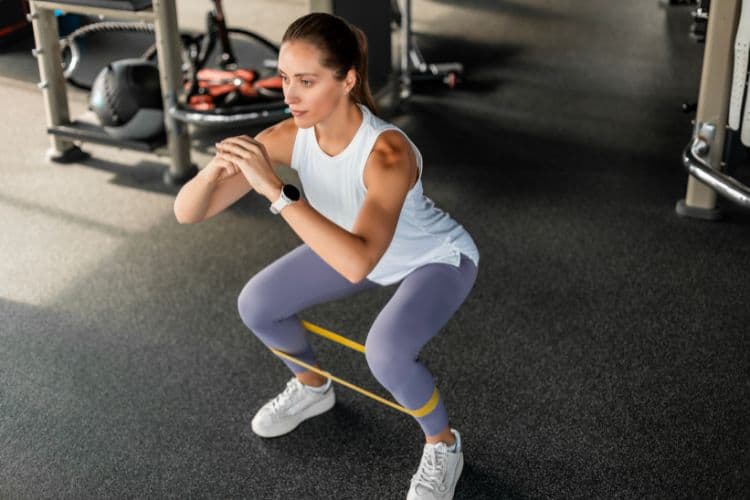
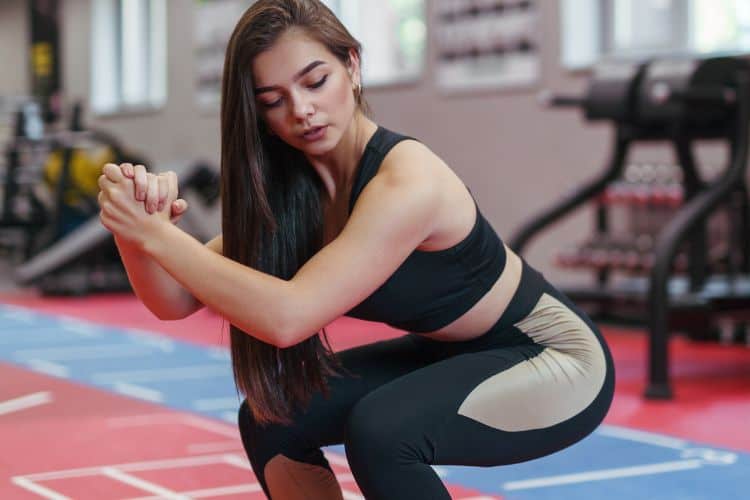
Bodyweight squats, reverse lunges, and glute bridges target the glutes, quads, and hamstrings. These exercises build lower-body strength while supporting joint stability.
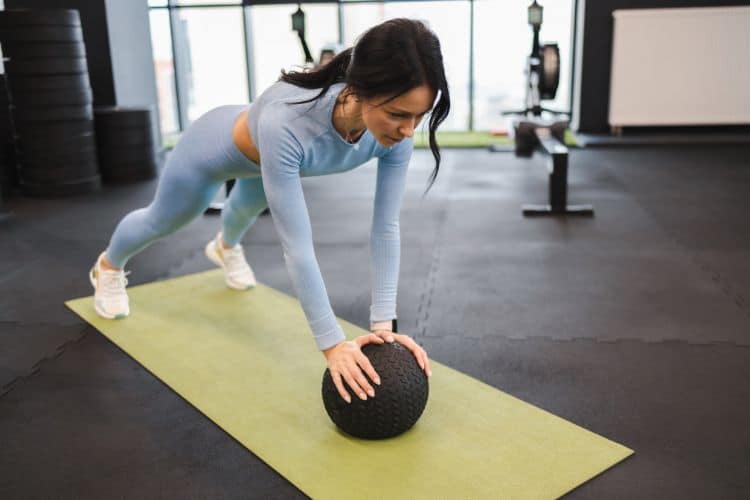
Push-ups, shoulder taps, and triceps dips challenge the chest, shoulders, arms, and core. Modifications like incline push-ups or knee push-ups make these movements accessible for beginners.
Planks, dead bugs, and bicycle crunches strengthen the core muscles that support posture and protect the spine. A strong core improves balance and efficiency in all other movements.
This portion of the workout elevates your heart rate and increases calorie burn. Cardio-focused bodyweight exercises add intensity and improve endurance without the need for running or equipment.
Exercises like jumping jacks, high knees, mountain climbers, and squat pulses keep the workout dynamic and challenging. You can modify impact levels based on your fitness level while still achieving an effective conditioning stimulus.
Cooling down allows your heart rate to gradually return to normal while improving flexibility and recovery. Focus on slow breathing and gentle stretches for the muscles you worked.
Stretching the hips, hamstrings, calves, chest, shoulders, and back helps reduce muscle tightness and promotes long-term mobility.
To get the most from this challenge, aim to complete the workout four to five times per week. Consistency is key to building strength and endurance over time.
On alternate days, you can focus on lighter movement such as walking, yoga, or mobility work to support recovery. This balanced approach prevents burnout and keeps your body feeling energized.
Progression is essential for continued results. As your body adapts, you can increase difficulty without adding equipment.
Ways to progress include increasing reps, decreasing rest time, slowing down tempo, adding isometric holds, or advancing to more challenging exercise variations. These small changes keep the workout effective and engaging.
One common mistake is rushing through exercises without proper form. Quality movement matters more than speed or reps. Focus on controlled, intentional motion to get the most benefit and reduce injury risk.
Another mistake is skipping rest days. Even bodyweight workouts stress the muscles and nervous system. Recovery is where strength gains and fat loss actually occur, so listen to your body and rest when needed.
Fueling your body properly enhances performance and recovery. Aim to eat balanced meals with lean protein, complex carbohydrates, and healthy fats.
Staying hydrated is equally important, especially when workouts include cardio-focused intervals. Drinking enough water helps maintain energy levels and supports muscle function.
Motivation often comes and goes, but habits keep you consistent. Scheduling your workouts at the same time each day helps create a routine that feels automatic.
Tracking your progress, whether through reps completed or how you feel after each session, reinforces positive momentum. Celebrate small wins, such as improved endurance or increased confidence in your movements.
One of the biggest reasons people abandon fitness routines is lack of sustainability. A 30-minute bodyweight workout challenge fits easily into real life, making it more likely you’ll stick with it.
Because it requires no equipment and minimal space, you can continue this routine even during busy seasons or travel. Over time, consistency leads to lasting strength, improved fitness, and a healthier relationship with movement.
A 30-minute bodyweight workout challenge proves that you don’t need long gym sessions or fancy equipment to get strong, lean, and energized. With smart exercise selection, proper structure, and consistent effort, half an hour is more than enough to transform your fitness.
Whether your goal is fat loss, strength, endurance, or simply feeling better in your body, this challenge offers a practical, empowering solution. Commit to the process, focus on progress rather than perfection, and let each 30-minute session move you closer to your healthiest, strongest self.
Ready to take your fitness to the next level with a 30-minute bodyweight workout challenge? At Women’s Fit Club, we’ve got tons of related content to help you succeed on your journey. If you’re just starting out, check out our beginner-friendly Beginners Guide to a 20-Minute Bodyweight Workout Routine to build confidence and proper form before ramping up the time. For a powerful no-equipment session similar to your 30-minute challenge, our 30-Minute Full Bodyweight Workout (No Equipment Needed) delivers strength, endurance, and fat-burning benefits all in one routine. To expand your options with effective moves you can include in your challenge, explore the Best Bodyweight Exercises for a Full Body Workout at Home for detailed exercise ideas you can tailor to your 30-minute block. If you’re aiming for a longer commitment, don’t miss the 30-Day Bodyweight Workout Challenge plan with tips and progressions to keep you motivated throughout the month. And for well-rounded strength training that complements bodyweight sessions, check out our 30-Minute Full Body Metabolic Resistance Training Workout to boost calorie burn and intensity in your routine.
Stay up to date on the latest women’s health, fitness and lifestyle trends and tips.
