




Sign up for workout ideas, training advice, reviews of the latest gear and more.


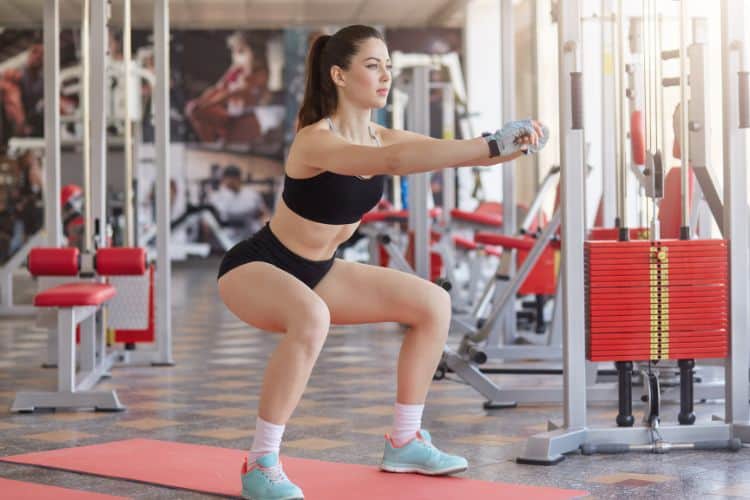

If you’re looking for a high-intensity, time-efficient workout that torches calories, builds explosive power, and challenges both your strength and cardiovascular endurance, the 30-minute box jump burpee combo workout is one of the most effective training formats you can add to your routine. This workout blends two powerhouse movements—box jumps and burpees—into a single, heart-pounding session that delivers serious results without requiring a gym full of equipment.
In this guide, you’ll learn exactly why box jump burpee combos work, how to perform them safely, how to structure a 30-minute workout, and how to modify the routine for beginners or advanced athletes. Whether your goal is fat loss, conditioning, or athletic performance, this workout checks every box.
The combination of box jumps and burpees is brutally efficient because it targets multiple fitness components at once. Instead of isolating one muscle group or training only cardio, this combo forces your entire body to work as a unit.
Box jumps primarily target the glutes, quads, hamstrings, and calves, while also activating the core for stability. Burpees, on the other hand, recruit the chest, shoulders, triceps, core, glutes, and legs. When combined, nearly every major muscle group is working continuously.
Box jumps develop explosive lower-body power, while burpees spike your heart rate and challenge muscular endurance. Together, they create a powerful blend of plyometric training and metabolic conditioning.
Because both exercises are compound and dynamic, they significantly increase energy expenditure. A properly structured 30-minute box jump burpee workout can burn as many calories as a much longer steady-state cardio session.
This workout improves coordination, agility, speed, and power, making it ideal for athletes and active individuals who want functional, real-world fitness benefits.
A box jump burpee combo links the two exercises back-to-back, typically without rest. For example, you may perform a burpee followed immediately by a box jump, counting that as one repetition. This sequencing keeps your heart rate elevated and challenges both strength and endurance.
Before jumping into the full workout, mastering proper form is essential for performance and injury prevention.
Burpees are simple in concept but demanding in execution. Proper technique ensures maximum benefit and minimizes unnecessary strain.
This workout is divided into four main phases: warm-up, main workout, conditioning finisher, and cooldown. Each section plays a critical role in performance and recovery.
A proper warm-up prepares your joints, muscles, and nervous system for explosive movements.
Focus on increasing your heart rate gradually and loosening the hips, knees, and ankles.
The core of this workout consists of interval-based circuits designed to challenge both power and endurance.
This opening circuit sets the tone and allows you to find a sustainable rhythm.
As reps increase, your heart rate climbs, and fatigue sets in—focus on controlled landings and strong posture.
This circuit shifts emphasis toward explosive leg power while still maintaining metabolic demand.
This final circuit is the most demanding. Pace yourself, but aim to maintain consistent intensity.
To finish strong, perform an AMRAP (as many rounds as possible):
Complete as many quality rounds as possible in 3–5 minutes. This finisher maximizes calorie burn and mental toughness.
Cooling down helps reduce soreness and supports recovery.
The combination of plyometrics and bodyweight strength elevates metabolism and promotes post-workout calorie burn.
Box jumps enhance speed, explosiveness, and athletic performance, making them ideal for sports and functional fitness.
Burpees drive heart rate into higher zones, strengthening the heart and lungs over time.
Repeated jumping and transitioning improves body awareness and control.
All you need is a sturdy box or platform and enough space to move safely.
If you’re new to plyometric training, start with scaled versions.
Progress gradually as your strength and confidence improve.
For experienced athletes, increase difficulty to keep seeing results.
Because of its intensity, this workout is best performed 2–3 times per week, allowing adequate recovery between sessions. Pair it with strength training or low-impact cardio on alternate days for balanced fitness.
This workout is ideal for:
It may not be suitable for those with knee, ankle, or joint injuries unless modified appropriately.
Absolutely. The 30-minute box jump burpee combo workout delivers one of the highest returns on investment in fitness. In just half an hour, you challenge your strength, power, endurance, and mental resilience. With minimal equipment and endless scaling options, it’s a workout that grows with you—whether you’re just starting out or pushing elite performance levels.
If you’re ready to sweat, jump, and push your limits, this workout deserves a permanent place in your training routine.
Looking to complement your 30-minute box jump burpee combo workout with other high-impact routines? Be sure to check out the Best 15 Minute Full Body Burpee Workout for Weight Loss for a quick calorie-burning session that pairs perfectly with plyometric training like box jumps; if you’re focused on building lower-body drive and explosive power, the Explosive Leg Power in 15 Minutes: The Ultimate Quick Workout adds great variety to your leg day; for balanced strength gains, try the 30-Minute Full Body Metabolic Resistance Training Workout to boost metabolism and endurance alongside your box jump burpee circuits; to mix in functional strength with your HIIT, the 25-Minute Functional Fitness Workouts with Dumbbells at Home offers a solid dumbbell-based alternative; and if you ever want a broader plan beyond single sessions, explore the Women Weightlifting Workout Routine: A Guide to Strength.
Stay up to date on the latest women’s health, fitness and lifestyle trends and tips.
