


Sign up for workout ideas, training advice, reviews of the latest gear and more.




Cold weather has a way of draining motivation, slowing routines, and tempting even the most consistent exercisers to skip workouts. But winter doesn’t have to mean stalled progress. In fact, cold conditions can be the perfect environment for high-intensity interval training. A well-designed 30-minute full body HIIT workout in the cold can help you burn calories efficiently, build strength, improve cardiovascular fitness, and stay energized all season long.
This guide walks you through everything you need to know—from why HIIT works so well in colder temperatures to how to structure a safe, effective, and motivating full-body routine that fits into even the busiest winter schedule.
High-intensity interval training is built around short bursts of effort followed by brief recovery periods. This structure makes HIIT especially effective in colder conditions, where extended steady-state workouts can feel uncomfortable or unappealing.
When you exercise in cold weather, your body works harder to maintain its core temperature. Combined with HIIT’s high metabolic demand, this can increase overall calorie expenditure during and after your workout. The result is a powerful fat-burning effect without spending excessive time outdoors or in an unheated space.
Winter schedules often feel tighter due to shorter daylight hours, holiday obligations, and disrupted routines. A 30-minute HIIT workout delivers full-body conditioning in a compact time frame, making it easier to stay consistent despite seasonal challenges.
Cold, dark days can affect mood and energy levels. HIIT workouts trigger the release of endorphins, helping combat seasonal sluggishness and improve mental clarity. Even a single 30-minute session can leave you feeling warmer, stronger, and more accomplished.
Before jumping into high-intensity movement, preparation is essential—especially when temperatures are low. Cold muscles are more prone to stiffness and injury, making an intentional warm-up non-negotiable.
Layering is key. Start with a moisture-wicking base layer to keep sweat off your skin, add an insulating layer if needed, and finish with lightweight outerwear if training outdoors. As your body warms up, you should feel comfortable rather than overheated.
In cold conditions, your warm-up should be slightly longer than usual. Gradually increasing your heart rate and joint mobility helps improve circulation and prepares your muscles for explosive HIIT movements.
Cold weather can blunt thirst cues, but hydration is just as important in winter as in summer. Drink water before and after your workout to support performance and recovery.
A balanced HIIT session includes a warm-up, multiple high-intensity intervals targeting the entire body, and a proper cool-down. This structure maximizes results while minimizing injury risk.
This format keeps the workout efficient, intense, and sustainable throughout the colder months.
The goal of a winter warm-up is to gradually raise your core temperature while mobilizing key joints.
Begin with low-impact movements such as marching in place, arm circles, torso rotations, and gentle squats. These exercises improve blood flow and prepare the body for more explosive work.
Slowly increase intensity with movements like high knees, jumping jacks, or fast bodyweight squats. By the end of your warm-up, your breathing should be elevated, and your body should feel loose and ready.
This workout uses intervals to challenge every major muscle group while keeping the heart rate elevated. Each exercise is performed at high intensity for a set time, followed by a brief recovery.
Lower body exercises generate heat quickly and build strength, making them ideal for cold-weather HIIT workouts.
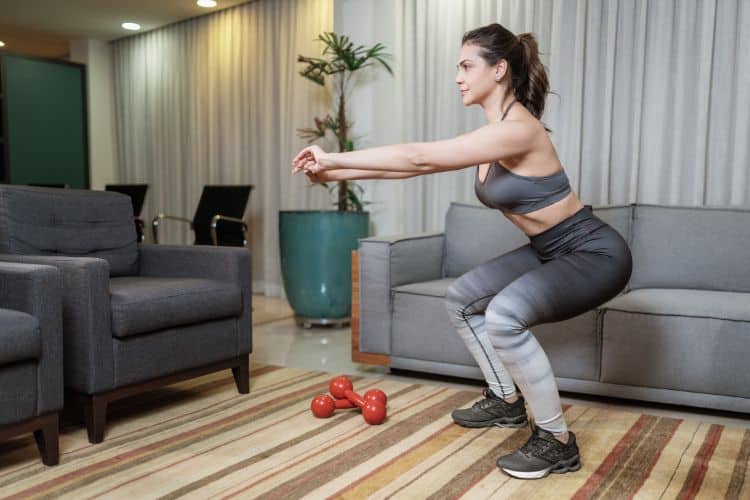
Bodyweight squats, jump squats, or pulse squats activate the glutes, quads, and hamstrings. These movements increase circulation and provide a strong foundation for the workout.
Reverse lunges reduce joint stress while strengthening the legs and improving balance. They’re especially effective when performed at a controlled but challenging pace.
Upper body exercises ensure full-body engagement and help prevent muscle imbalances.
Push-ups target the chest, shoulders, triceps, and core. Modify by dropping to your knees if needed, or increase intensity by adding tempo or explosive push-ups.
This movement strengthens the shoulders and core while improving coordination. Keeping the hips stable is key for maximizing benefits.
Cardio intervals elevate the heart rate and drive the metabolic effect that makes HIIT so effective.
Mountain climbers raise the heart rate quickly while engaging the core, shoulders, and legs. They’re ideal for generating warmth in cold conditions.
These movements improve agility and cardiovascular endurance. Focus on controlled landings to protect joints, especially in colder environments.
Combining upper and lower body movements increases calorie burn and coordination.
Burpees are a classic HIIT exercise because they challenge strength, power, and cardio simultaneously. Modify by stepping back instead of jumping if needed.
This movement links lower body strength with upper body mobility, helping maintain joint health during winter training.
Cooling down is especially important when training in the cold, as stopping abruptly can cause stiffness.
Walk in place or perform slow marching movements to bring your heart rate down gradually.
Focus on stretching the hips, hamstrings, calves, chest, and shoulders. Hold each stretch for at least 20–30 seconds while breathing deeply.
Exercising in colder conditions requires extra awareness to stay safe and effective.
Cold weather can mask fatigue. Pay attention to form and stop if you feel lightheaded, overly stiff, or uncomfortable.
If training outdoors, ensure your workout area is dry and stable. Indoor HIIT workouts are often the safest option during winter.
Never rush into high-intensity movements when it’s cold. A thorough warm-up is your best injury-prevention tool.
For most people, 2–4 HIIT sessions per week is ideal. This frequency allows for recovery while maintaining fat loss and cardiovascular benefits. On rest days, consider low-impact movement such as walking, yoga, or mobility work.
Consistently performing HIIT workouts during winter offers long-term advantages beyond seasonal fitness.
HIIT boosts insulin sensitivity and metabolic efficiency, helping maintain healthy energy levels throughout the colder months.
Full-body strength movements prevent muscle loss that often occurs when activity levels drop in winter.
By embracing cold-weather workouts, you build a habit of consistency that carries into spring and beyond.
Motivation can fluctuate in winter, but structure and mindset make all the difference.
Having a set area at home or a reliable indoor location removes barriers and excuses.
Instead of focusing only on aesthetics, aim for goals like improved endurance, strength, or consistency during winter.
Knowing your workout is only 30 minutes makes it easier to commit—even on the coldest days.
A 30-minute full body HIIT workout in the cold is one of the most effective ways to stay active, strong, and energized throughout winter. With the right preparation, structure, and mindset, cold weather becomes an advantage rather than an obstacle.
By focusing on efficient movement, proper warm-ups, and full-body engagement, you can continue making progress year-round—proving that winter is not a reason to pause fitness goals, but an opportunity to build resilience, strength, and confidence.
For more ways to stay active and fit year-round, be sure to explore other full-body routines and winter-friendly workouts on Womens Fit Club, such as the energizing 30-Minute Bodyweight Superset Workout for Full-Body Burn for days you prefer no equipment, or level up your strength with the 30-Minute Dumbbell Full Body Workout Plan: To Maximize Gains for added muscle and fat loss emphasis. If you’re looking for variation in your high-intensity sessions, the 30-Minute Dumbbell Burpee Workout: Full Body Strength & Cardio delivers a powerful mix of cardio and strength, while our Full Body HIIT with Weights: 30 Minute Circuit for Fast Results offers a weighted twist on classic HIIT. For beginners or lighter days, don’t miss the 30-Minute Third Trimester Workout for Strength and Comfort, which highlights safe modifications and supportive movement options for all fitness levels.
Stay up to date on the latest women’s health, fitness and lifestyle trends and tips.
