


Sign up for workout ideas, training advice, reviews of the latest gear and more.

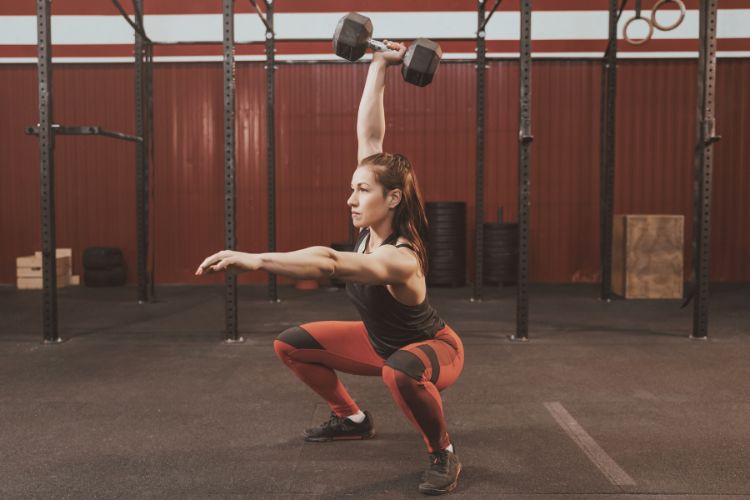

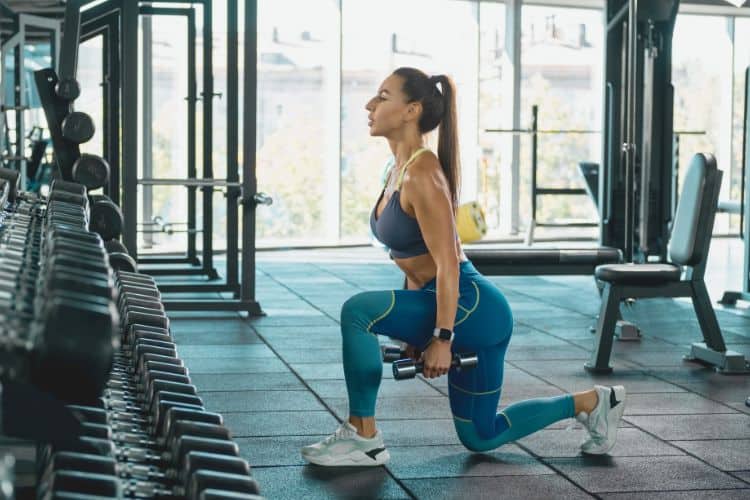

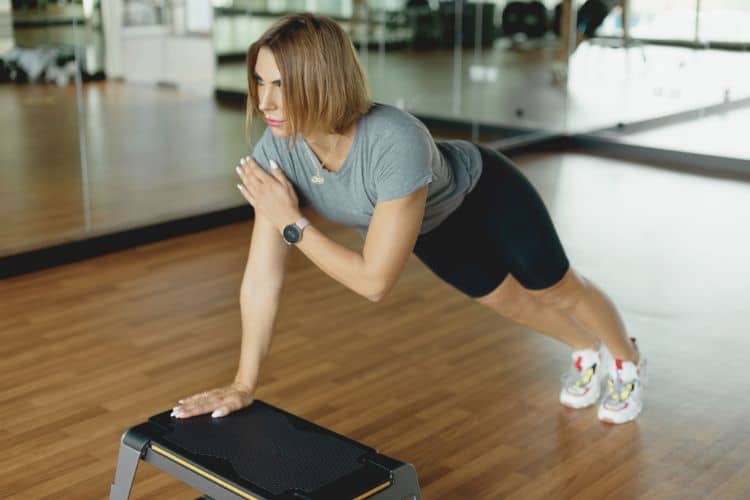
If you’re looking for a fast, powerful, and highly effective way to tone your entire body and burn major calories, a 30-minute full body HIIT workout is the perfect solution. HIIT—short for high-intensity interval training—uses short bursts of explosive movement paired with brief rest periods to maximize fat burn, improve endurance, and elevate your metabolism long after your workout is over. Whether you’re training at home, in the gym, or while traveling, this workout requires minimal space, zero equipment, and delivers maximum results in very little time.
In this guide, you’ll learn what makes HIIT so effective, how to prepare for your workout, proper exercise form, and a complete 30-minute full body HIIT routine designed to build strength, burn fat, and elevate your overall fitness. This routine is suitable for beginners, intermediate, and advanced exercisers because you can scale the intensity to your own level. If your goal is efficiency, fat loss, or conditioning—this workout delivers everything you need.
High-intensity interval training has gained popularity for good reason—it works. HIIT involves alternating between high-intensity exercises and short periods of active recovery or rest. During high-intensity intervals, you challenge your cardiovascular system, muscles, and aerobic capacity. During rest intervals, your body partially recovers before going right back into a high-energy burst.
HIIT triggers a powerful effect known as EPOC (Excess Post-Exercise Oxygen Consumption), also called the afterburn effect. After a high-intensity workout, your body continues burning calories at an elevated rate for hours as it works to repair muscle fibers, restore oxygen levels, and replenish energy stores.
This is why a 30-minute HIIT workout can burn more calories than many traditional workouts lasting 45–60 minutes.
A properly structured HIIT routine can transform your fitness. Here’s what you can expect:
A HIIT workout is customizable, portable, and incredibly efficient—making it one of the best routines for busy individuals who still want powerful fitness results.
Before you jump into an intense training session, you need to prepare your body and environment for success.
A warm-up is essential for preventing injury, increasing blood flow, and improving performance. Spend 3–5 minutes warming up before starting your intervals.
Great warm-up movements include:
Make sure you have:
HIIT requires effort. During the working intervals, aim for:
Remember—HIIT is scalable. Move at a pace that challenges you.
This routine is structured into three 10-minute blocks:
You’ll perform 40 seconds of work + 20 seconds of rest for each exercise.
Take 60 seconds rest between blocks.
This format ensures maximum calorie burn, muscle engagement, and cardio intensity.
This opening block elevates your heart rate and prepares your muscles for the intense work ahead.
Jump squats target your quads, glutes, and calves while boosting explosive power.
How to do it:
Lower into a squat, then explode upward into a jump. Land softly, absorbing the impact through your legs.
Modification:
Remove the jump and perform fast bodyweight squats.
This exercise fires up your core, shoulders, and legs, while raising your heart rate.
How to do it:
Start in a plank position and jump your legs out and in like a jumping jack.
Modification:
Step legs out one at a time instead of jumping.
Reverse lunges increase stability and strength in your glutes and legs.
How to do it:
Step one leg back, lower into a lunge, push through your front heel to stand, then switch sides.
Modification:
Hold onto a chair for balance.
A cardio burst that activates your core and legs.
How to do it:
Drive your knees upward quickly while pumping your arms.
Modification:
March with high knees.
Push-ups build upper-body strength and core stability.
How to do it:
Place your hands shoulder-width apart, lower your chest, then push back up.
Modification:
Perform on knees or elevated surface.
Rest 60 seconds before moving to Block 2.
This block focuses on building functional strength while keeping your heart rate elevated.
A total-body movement that strengthens the core, arms, and hamstrings.
How to do it:
Bend forward, walk your hands into a plank, hold briefly, then walk back to standing.
This lateral movement strengthens your hips and legs while improving balance.
How to do it:
Leap to one side, landing on the opposite foot like a speed skater. Switch sides.
Modification:
Step instead of jump.
Mountain climbers elevate your heart rate while strengthening your abs and shoulders.
How to do it:
Drive your knees toward your chest rapidly in a plank position.
Targets the inner thighs, glutes, and legs.
How to do it:
Step out wide to the side, bend the knee, push back to center, then switch.
The ultimate HIIT exercise for full-body conditioning.
How to do it:
Squat down, jump legs back into a plank, perform an optional push-up, jump feet in, and explosively jump upward.
Modification:
Remove the push-up or jump.
Rest 60 seconds before the final block.
This block targets your abs, obliques, and lower back while finishing with high-intensity metabolic work.
A strong core stability movement.
How to do it:
Tap opposite shoulder while keeping hips steady.
This exercise builds rotational core strength.
How to do it:
Lie on your back, lift your legs, and alternate elbow-to-knee rotations.
Combines lower-body strength with core activation.
How to do it:
Perform a squat, then drive one knee upward as you stand. Switch sides each rep.
A burst of speed that spikes your heart rate.
How to do it:
Run in place with rapid small steps, keeping your core tight.
End strong with a high-intensity leg move.
How to do it:
Jump switch lunges for advanced difficulty or perform standard alternating lunges.
Spend 3–5 minutes cooling down to reduce soreness, improve flexibility, and lower your heart rate.
Effective cooldown moves include:
Take slow, controlled breaths to help your body recover.
Focus on controlled movements, especially when fatigued.
Effort matters more than speed. Give 70–90% of your max.
HIIT is about intensity—not perfection.
Do this routine 3–4 times per week for best results.
Your body needs fuel and fluids to perform at its best.
This routine is ideal for:
HIIT is versatile, scalable, and effective for almost every fitness level.
A 30-minute full body HIIT workout is one of the most efficient ways to strengthen your muscles, burn fat, increase energy, and improve overall fitness in a time-efficient format. With powerful combinations of cardio, strength, and core exercises, this routine challenges every major muscle group while keeping your heart rate elevated for maximum metabolic impact.
Whether you’re working out at home or in the gym, this structured routine gives you everything you need to feel stronger, fitter, and more energized—without a single piece of equipment. Commit to these 30 minutes, stay consistent, and watch your endurance rise, your strength improve, and your body transform.
To help you get even more out of your 30-Minute Full Body HIIT Workout, be sure to explore other great training options and related fitness guides on Women’s Fit Club. If you want a variation of your HIIT routine, try our 30-Minute Full Body At-Home HIIT Routine: Burn Fat Build Strength for a similar time-efficient fat-burning session. For strength training that complements your HIIT days, our 30-Minute Strength and Cardio Workout for Full-Body Fat Burn blends muscle building and cardio in one session. If you have dumbbells handy, the 30-Minute Dumbbell HIIT Workout for a Full Body Burn adds resistance to your intervals. Looking for a quicker option? Check out our 20-Minute Full Body HIIT Workout: No Repeat Maximum Results for a fast, high-intensity variation. And if you want to focus on lower body strength to support your HIIT performance, don’t miss the 30-Minute Dumbbell Glute Workout for Strength and Toning—all designed to help you train smarter and stronger.
Stay up to date on the latest women’s health, fitness and lifestyle trends and tips.
