


Sign up for workout ideas, training advice, reviews of the latest gear and more.

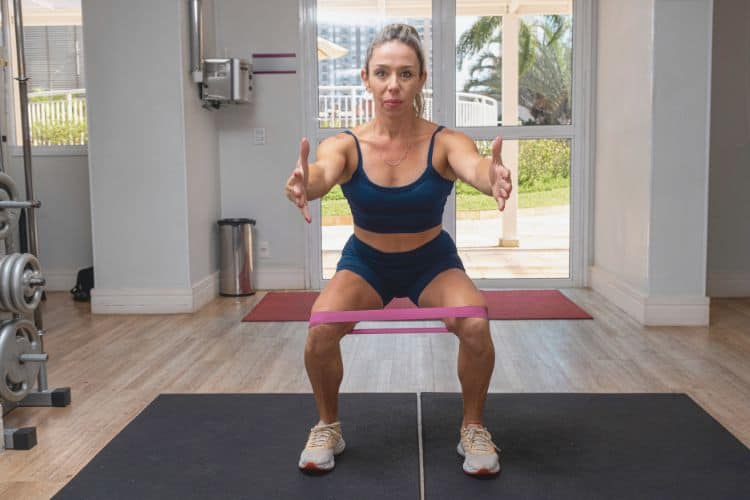
Staying active after 50 is one of the most powerful ways to maintain energy, strength, mobility, and confidence—but the type of exercise you choose matters. High-Intensity Interval Training (HIIT) is one of the most efficient workouts for boosting metabolism, strengthening your heart, building muscle, and burning calories in a short amount of time. Many women over 50 assume HIIT is “too advanced,” but with the right structure, low-impact modifications, and beginner-friendly intervals, it becomes one of the safest and most effective ways to improve overall fitness. This 30-minute full-body HIIT workout for beginners over 50 is designed to help you move confidently, train smarter, and feel your strongest at any age.
Whether you’re restarting your fitness journey or exercising consistently and ready to try something new, this workout provides strength, cardio, balance, and core training in one simple routine. No equipment is required, but you can add light dumbbells if you’d like a more challenging version once you feel comfortable.
As we get older, metabolism begins to slow down and muscle mass naturally declines. HIIT helps reverse this process by increasing calorie burn during and after your workout through EPOC (Excess Post-Exercise Oxygen Consumption). This means your body continues burning calories for hours after you finish exercising, making HIIT a powerful tool for weight management and fat loss.
HIIT includes dynamic, full-body movements that increase mobility, strengthen stabilizing muscles, and improve balance—helping reduce the risk of falls and injuries. Movements like squats, modified burpees, step-backs, and slow mountain climbers build strength in key muscle groups such as glutes, core, hamstrings, shoulders, and back.
Cardiovascular fitness is essential for longevity, and HIIT is one of the most effective ways to strengthen your heart and lungs without spending hours doing traditional cardio. Short bursts of effort followed by recovery intervals help improve circulation, endurance, and overall cardiovascular capacity.
One of the biggest misconceptions is that HIIT must be high-impact. In reality, HIIT is simply intervals of work and rest. Every exercise can be modified to protect joints, ensuring you get the intensity without the stress.
This workout follows a simple and safe 30-minute format:
Each exercise includes modifications specifically designed for women over 50, allowing you to choose the level that feels right for your body.
You can perform this routine three to four times per week, or use it as part of a balanced weekly training plan that also includes strength, flexibility, and walking workouts.
Before jumping into intervals, a proper warm-up prepares your body, increases blood flow, and keeps your joints safe.
Lift each knee gently and swing your arms to warm the hips, legs, and shoulders.
Step side to side while performing slow forward and backward arm circles.
Lift your knee toward your chest, rotate outward, and place your foot down. Alternate legs.
Stand tall and gently rotate side to side, activating your core and loosening your spine.
Perform slow bodyweight squats to warm the glutes, quads, and lower back.
Your body should feel warm—not tired—before beginning the main workout.
Each exercise is performed for 40 seconds, followed by 20 seconds of rest. Move through all 10 exercises and rest 1 minute before repeating the circuit a second time.
A beginner-friendly alternative to jumping jacks.
How to Do It:
Step your right foot out while raising your arms overhead. Step back in and repeat on the other side.
Why It Works:
Great for warming up the cardiovascular system without jumping.
Modification:
Keep arms at chest level if shoulder mobility is limited.
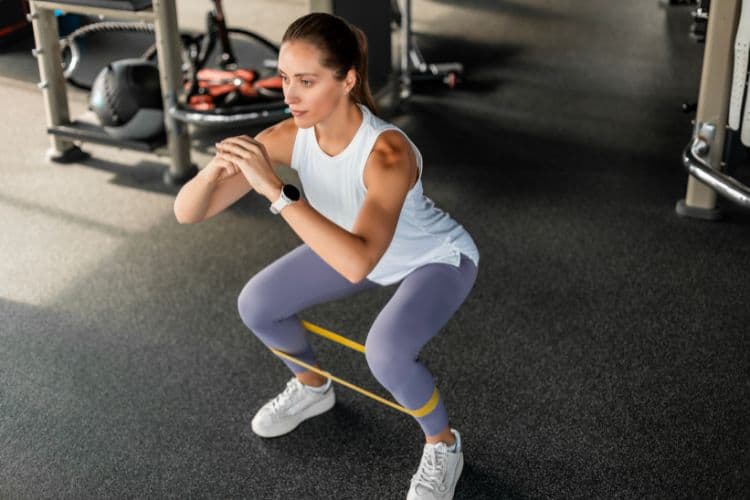
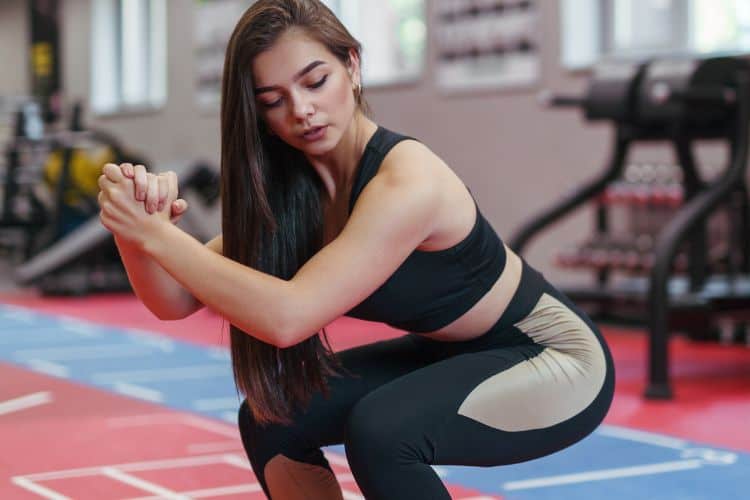
Build strong legs, glutes, and core.
How to Do It:
Sit back into your hips, keeping your chest lifted and knees pointed forward.
Modification:
Use a chair for support or reduce the depth of your squat.
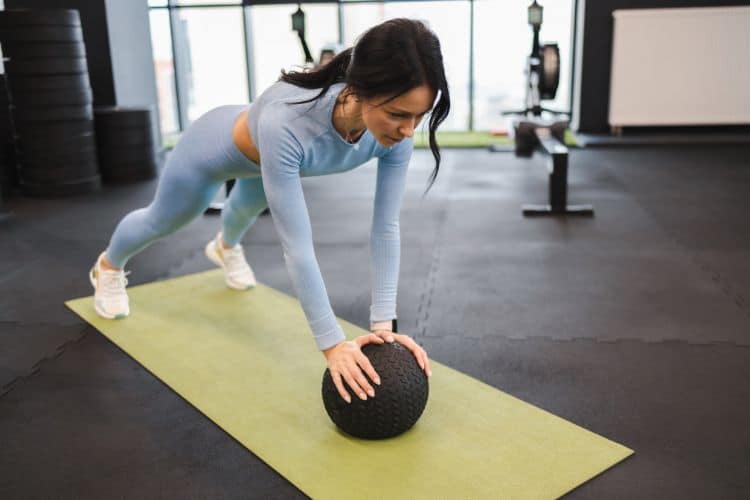
Strengthens arms, chest, and core.
How to Do It:
From a tall plank or elevated plank against a counter, walk your hands toward your feet, then back out to the plank.
Modification:
Perform against a wall or sturdy surface.
Perfect for strengthening quads, hamstrings, and balance.
How to Do It:
Step one foot back, lower slightly, and return to standing.
Modification:
Do shallow step-backs without lowering your knee.
Cardio and core activation without getting on the floor.
How to Do It:
Lift your knee toward your chest while pulling your elbows down as if doing a crunch.
Modification:
Hold a wall or counter for balance.
Strengthens chest, arms, and shoulders safely.
How to Do It:
Place your hands on a wall or counter, step back, and lower your body in a controlled motion.
Modification:
Choose the height that feels easiest and progress slowly.
Builds glute strength, improves hip mobility, and supports lower back health.
How to Do It:
Lie on your back, feet flat, and lift your hips toward the ceiling.
Modification:
Place a cushion under your back for support or lift only partially.
Great for stabilizing the spine and strengthening deep core muscles.
How to Do It:
Lie on your back with arms overhead and legs bent at 90°. Lower opposite arm and leg, then switch.
Modification:
Keep your head supported or move only arms or legs.
A safer, low-impact burpee alternative.
How to Do It:
Place your hands on a counter, step back to a plank, step in, and stand tall.
Modification:
Don’t perform the push-up portion.
A light cardio finisher.
How to Do It:
Shift weight side to side, lifting your heels slightly.
Modification:
Perform a slow march instead of bouncing.
Every move is designed to be gentle while still raising your heart rate. Women over 50 often experience knee, hip, or lower back discomfort—this routine works around those areas while strengthening them.
HIIT allows you to train multiple systems at once, making it ideal for women with busy schedules.
You decide your pace. Move slower, take more breaks, or modify every exercise until you’re ready to progress.
Falls become more common after 50, so stability and coordination training is essential. Exercises like step-backs and dead bugs build long-term functional strength.
After your HIIT intervals, take time to cool down properly.
Slow your breathing and ease your heart rate down.
Extend one leg forward, hinge gently, and switch.
Open your arms wide and gently press your palms back.
Hold a chair and pull one heel toward your glutes.
Reach overhead and lean gently to each side.
This final section helps reduce soreness, improve flexibility, and restore calm.
If an exercise causes pain (not to be confused with normal muscle effort), modify or skip it.
Drink water before and after your workout, especially if you sweat easily.
Proper alignment protects your joints and helps you build real strength.
Your first few sessions should feel manageable, not exhausting. Increase intensity gradually.
A wall, counter, or chair can make movements safer and more accessible.
For beginners, aim for:
Remember, rest and recovery are just as important as training.
HIIT isn’t about jumping, sprinting, or pushing yourself to extremes. It’s about working at your own pace in short, structured intervals. That’s why it’s one of the best full-body workouts for beginners over 50. With the right modifications and a balanced routine like the one above, you can safely improve your strength, endurance, metabolism, and mobility—all in just 30 minutes.
If you stay consistent and patient, you’ll notice your energy increase, everyday tasks feel easier, and confidence grow stronger each week. You’re never too old to start—just start where you are.
If you’re over 50 and love this 30-minute full-body HIIT routine, check out more great resources on WomensFitClub.com: learn which are the [best HIIT exercises for women to tone and burn fat] after 50, explore our [full-body workouts for over 50 to stay strong and fit at any age], and if you prefer a gentler pace sometimes, browse [the best low-intensity cardio for fat loss] for sustainable results. Pair your workouts with smart habits from our [Weight Loss Journey Guide for Women] and don’t forget to visit our [About Us] page to get the full mission of WomensFitClub — because fitness after 50 is about strength, health, and confidence for life.
Stay up to date on the latest women’s health, fitness and lifestyle trends and tips.
