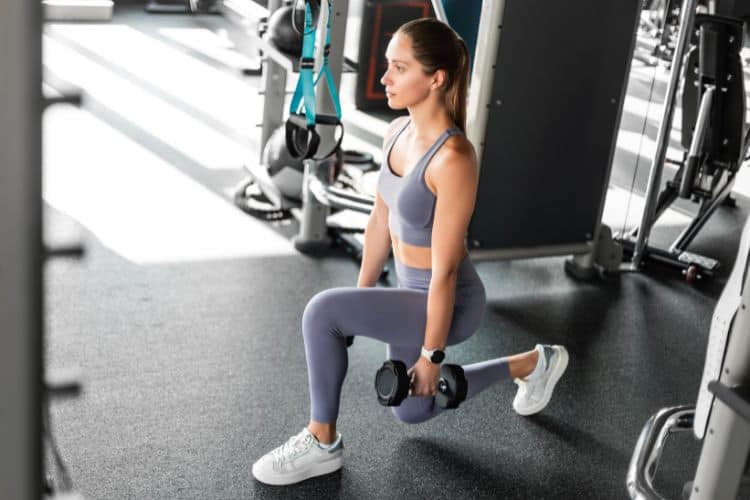
30 Minute Full Body Mobility Workout for Better Flexibility
Mobility is the foundation of every effective workout. Unlike flexibility, which focuses only on muscle length, mobility combines strength, control, and range of motion in your joints. A well-designed mobility workout can improve posture, reduce stiffness, prevent injury, and enhance athletic performance. A 30 minute full body mobility workout is the perfect way to balance strength training, cardio, or everyday movement. Whether you’re an athlete, a busy professional, or someone looking to move without pain, this workout will help you unlock better movement patterns, restore balance in your body, and keep your joints healthy.
In this blog, you’ll discover:
- The difference between mobility and flexibility
- Benefits of a full body mobility routine
- A complete 30-minute workout you can follow today
- Tips for progression and consistency
What Is Mobility?
Mobility refers to the ability to move your joints actively through their full range of motion. It combines three elements:
- Flexibility: Length of muscles and tendons
- Strength: Ability to control movement through ranges
- Stability: Coordination and control of the joint
For example, being able to touch your toes is flexibility, but being able to perform a deep squat with proper form is mobility.
Benefits of a Full Body Mobility Workout
1. Injury Prevention
Tight hips, shoulders, or hamstrings often lead to poor form, which increases the risk of injury. Mobility training strengthens stabilizing muscles and improves joint alignment.
Athletes and fitness enthusiasts notice greater strength gains when mobility improves. A deeper squat, smoother push-up, or more powerful lunge is possible when the joints move freely.
3. Reduced Pain and Stiffness
Mobility work addresses common pain areas like the lower back, knees, and shoulders. By releasing tight muscles and enhancing movement, daily tasks feel easier.
4. Better Posture
Spending hours at a desk can cause rounded shoulders and stiff hips. Mobility training restores natural alignment and counteracts the effects of sitting.
5. Long-Term Joint Health
Consistent mobility training keeps cartilage nourished, maintains range of motion, and delays joint wear and tear.
Structure of a 30 Minute Full Body Mobility Workout
This workout is broken into three phases:
- Warm-Up (5 minutes): Prepare joints, increase circulation
- Main Mobility Flow (20 minutes): Dynamic, controlled movements targeting the whole body
- Cool-Down & Reset (5 minutes): Breathing, stretching, and relaxation
All you need is a mat and optional resistance bands.
5-Minute Warm-Up Full Body Mobility Workout
Arm Circles (1 minute)
- Stand tall and circle your arms forward for 30 seconds, then backward for 30 seconds.
- Focus on smooth, controlled movement.
Cat-Cow Stretch (1 minute)
- Begin on all fours, arching your spine (cow) and rounding it (cat).
- Sync breath with movement to awaken your spine.
Hip Circles (1 minute)
- Stand with hands on hips, make slow circles in both directions.
- Loosens hip joints before deeper mobility work.
Dynamic Lunges with Reach (2 minutes)
- Step into a forward lunge, raising arms overhead.
- Alternate legs, flowing smoothly between reps.
20-Minute Main Full Body Mobility Workout Flow
Hips and Lower Body
1. Deep Squat Hold with Pulse (2 minutes)
- Sit into a deep squat with heels on the floor.
- Gently pulse up and down, keeping chest upright.
- Opens hips, knees, and ankles.
2. 90/90 Hip Rotations (2 minutes)
- Sit on the floor with one leg bent at 90° in front, the other at 90° behind.
- Slowly rotate legs from side to side without using hands.
- Improves internal and external hip rotation.
3. Cossack Squat (2 minutes)
- Stand wide, shift weight to one leg, lowering into a side squat.
- Keep opposite leg straight with toes pointing up.
- Alternate sides, moving fluidly.
Shoulders and Upper Body Full Body Mobility Workout
4. Shoulder CARs (Controlled Articular Rotations) (2 minutes)
- Stand tall, slowly rotate one arm overhead in a full circle.
- Maintain tension, avoiding compensations.
- Repeat for 1 minute per side.
5. Thoracic Spine Rotations (2 minutes)
- Sit cross-legged, hands behind head.
- Rotate upper body left and right slowly.
- Focus on engaging mid-back, not just shoulders.
6. Wall Angels (2 minutes)
- Stand against a wall, arms bent 90°.
- Slide arms up and down, keeping back flat against the wall.
- Enhances shoulder mobility and posture.
Core and Full Body Mobility Workout
7. World’s Greatest Stretch (3 minutes)
- From a lunge, place both hands inside the front foot.
- Rotate one arm up toward the ceiling, then switch.
- Alternate sides, holding each stretch briefly.
8. Plank with Shoulder Taps (2 minutes)
- In a plank position, tap opposite shoulders while maintaining core stability.
- Builds strength and control through the core.
9. Bear Crawl Hold with Hip Lifts (3 minutes)
- Start in a tabletop, knees hovering off the floor.
- Push hips back toward heels, then return.
- Engages core while mobilizing hips and shoulders.
5-Minute Cool-Down Full Body Mobility Workout
Seated Forward Fold (1 minute)
- Sit with legs extended, fold forward gently.
- Stretches hamstrings and spine.
Child’s Pose with Side Reach (2 minutes)
- Sit back on heels, arms stretched forward.
- Walk hands to each side for a deeper lateral stretch.
Breathing Reset (2 minutes)
- Lie flat on your back.
- Take slow, deep belly breaths, relaxing every muscle.
Tips for Full Body Mobility Workout Success
Focus on Quality, Not Speed
Mobility workouts are about control and awareness. Move deliberately, focusing on smooth motion instead of rushing.
Consistency Over Intensity
Doing this workout 3-4 times per week yields better results than sporadic intense sessions.
Pair with Strength Training
Mobility enhances strength training by allowing you to lift with better form and greater range.
Listen to Your Body
If any position feels painful, ease off. Mobility is about restoring natural movement, not forcing positions.
Who Should Do a Full Body Mobility Workout?
- Athletes: For improved performance and injury prevention
- Desk Workers: To counteract stiffness from sitting
- Older Adults: To maintain independence and joint health
- Beginners: As a safe entry into fitness
- Lifters & Yogis: To complement strength and flexibility training
Progressions and Variations Full Body Mobility Workout
- Use resistance bands for added activation during shoulder or hip movements.
- Add light weights for loaded mobility (like goblet squats).
- Increase time in each position as control improves.
- Combine with yoga or dynamic stretching for variety.
Common Full Body Mobility Workout Mistakes to Avoid
- Holding Static Stretches Too Long Before Workouts
Mobility should be dynamic before training—save longer holds for after.
- Rushing Through Movements
Fast, sloppy reps reduce effectiveness.
- Ignoring Breathing
Controlled breathing enhances relaxation and mobility.
- Skipping Problem Areas
If hips or shoulders feel tight, spend extra time there.
Sample Full Body Mobility Workout Weekly Schedule
- Day 1: 30-Minute Mobility Workout (focus on hips)
- Day 2: Strength Training (upper body)
- Day 3: Rest or light cardio
- Day 4: 30-Minute Mobility Workout (focus on shoulders/spine)
- Day 5: Strength Training (lower body)
- Day 6: Active Recovery (yoga, walking)
- Day 7: Full Body Mobility Session
Unlock Your Body’s Potential
A 30 minute full body mobility workout is more than just stretching—it’s the key to unlocking strength, flexibility, and pain-free movement. By dedicating just half an hour to improving your range of motion, you’ll notice better posture, smoother workouts, and greater energy in daily life.
Start small, stay consistent, and watch your body transform. Your future self will thank you for prioritizing mobility today.
Want more workout and video guide?
Follow us on Pinterest, Facebook, and Subscribe to our Newsletter and Stay tuned for FREE downloads of our App coming soon!
Most Recommended