



Sign up for workout ideas, training advice, reviews of the latest gear and more.

Starting your day with movement doesn’t require fancy equipment, extreme intensity, or hours at the gym. A 30-minute full body morning workout for beginners is one of the most effective ways to wake up your muscles, boost energy, and build a consistent fitness habit—without overwhelming your body. Whether you’re new to exercise, returning after a long break, or simply looking for a gentle but effective way to start your mornings, this routine is designed to meet you where you are.
Morning workouts are especially powerful for beginners because they help establish structure, reduce decision fatigue later in the day, and create momentum that carries into healthier choices overall. This guide walks you through everything you need to know—from benefits and preparation to a step-by-step workout plan—so you can confidently commit to a simple, sustainable routine.
A 30-minute workout hits the sweet spot for beginners. It’s long enough to stimulate muscle, elevate heart rate, and support fat loss, yet short enough to fit into busy schedules without feeling intimidating.
Morning workouts tend to feel easier mentally because there are fewer distractions and excuses. You’re less likely to skip exercise when it’s done before the demands of the day pile up. For beginners, consistency matters far more than intensity, and a manageable 30-minute routine encourages regular movement without burnout.
Another key benefit is how your body responds in the morning. Light to moderate exercise increases blood flow, improves joint mobility, and helps reduce stiffness—especially helpful if you feel tight or sluggish when you wake up.
A full body workout ensures balanced muscle engagement and prevents overuse of any single area. Instead of isolating one muscle group, you train your entire body in a functional, beginner-friendly way.
This type of routine improves overall strength, coordination, and endurance while supporting daily movement patterns like squatting, pushing, pulling, and core stabilization. Over time, you’ll notice better posture, improved energy levels, and increased confidence in your physical abilities.
Morning exercise also supports metabolism by activating muscles early in the day, which can contribute to increased calorie burn throughout the day. Just as important, it boosts mood and mental clarity by releasing endorphins and reducing stress hormones.
This 30-minute full body beginners morning workout is ideal if you are:
All exercises can be modified, and the intensity is intentionally kept approachable. The goal is not to exhaust yourself—it’s to wake up your body, move well, and feel energized.
One of the best things about this beginner morning workout is its simplicity. You don’t need much space or equipment.
You’ll want:
Optional additions include light dumbbells or resistance bands, but the workout is fully effective using bodyweight only.
This workout is broken into four main sections to support beginners safely and effectively.
Each section plays a crucial role. Skipping the warm-up increases injury risk, while skipping the cool-down can lead to stiffness and soreness.
A proper warm-up prepares your muscles and joints for movement while gently raising your heart rate. Morning warm-ups should feel smooth and gradual rather than intense.
Start with slow, controlled movements:
Focus on breathing deeply and moving through comfortable ranges of motion. This is your time to check in with your body and ease into the workout.
This circuit uses simple, functional exercises that target your legs, glutes, core, arms, shoulders, and back. Perform each movement for about 40 seconds, followed by 20 seconds of rest. Complete the circuit twice.
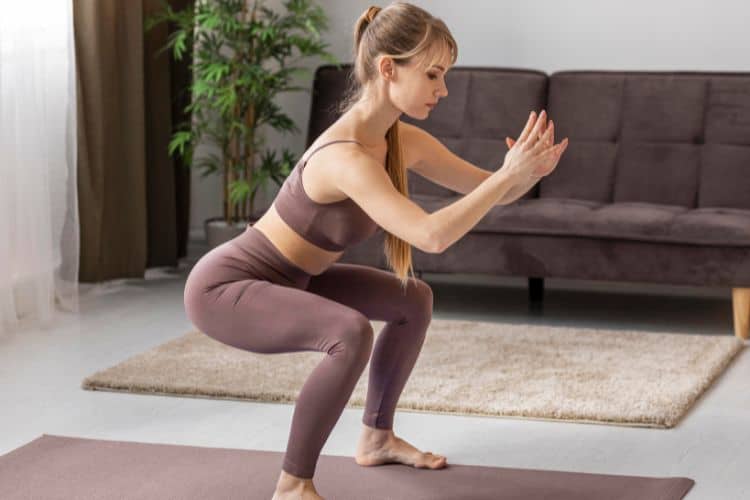
Squats strengthen your legs and glutes while improving mobility. Keep your chest lifted, push through your heels, and move at a controlled pace.
This movement supports everyday activities like standing, sitting, and lifting.
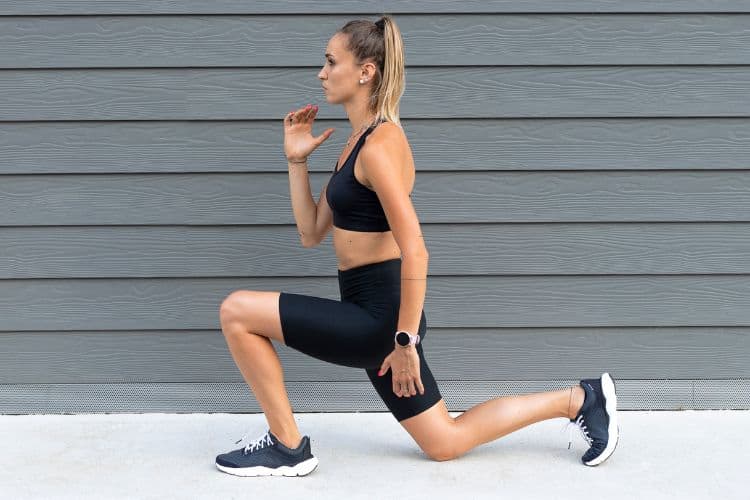
Reverse lunges are gentler on the knees than forward lunges, making them ideal for beginners. Step one foot back, lower down with control, and alternate sides.
This exercise improves balance, leg strength, and coordination.
Push-ups build upper body strength in the chest, shoulders, and arms. Using a wall, bench, or sturdy surface reduces intensity while maintaining proper form.
Beginners should prioritize quality reps over speed.
Arm raises strengthen the shoulders and upper back. Keep movements slow and controlled, lifting arms forward or to the sides.
This helps improve posture and shoulder stability.
Standing knee lifts activate the core while keeping impact low. Lift one knee toward your chest, engaging your abs, then switch sides.
This movement also supports balance and hip mobility.
A plank strengthens your entire core. Beginners can perform this on knees or against an elevated surface.
Focus on keeping your spine neutral and breathing steadily.
Instead of high-impact jumping jacks, step one foot out at a time while raising your arms. This keeps your heart rate up without stressing joints.
This gentle cardio boosts circulation and energy without exhaustion.
It’s normal to feel challenged, but you should never feel dizzy, breathless to the point of panic, or in pain. Move at a pace where you can still talk in short sentences.
If needed:
Progress happens through consistency, not pushing to extremes.
Cooling down helps your heart rate return to normal and reduces muscle tension. This step is especially important for morning workouts, as your muscles may still be stiff.
Hold each stretch for 20–30 seconds without bouncing. Breathe deeply and relax into each position.
For most beginners, performing this workout 3 to 5 days per week is ideal. Rest days are important for recovery, especially if your body is adapting to new movement.
You can alternate this routine with walking, yoga, or light stretching days to create a balanced weekly plan.
As your strength and confidence improve, you can gradually increase intensity without changing the structure.
Beginner progression ideas include:
Small changes over time lead to lasting results.
One of the biggest mistakes beginners make is trying to do too much too soon. Consistency beats intensity every time.
Avoid:
Listening to your body is a skill that improves with practice.
If you’re working out first thing in the morning, you don’t need a large meal beforehand. Many beginners feel great training on an empty stomach or after a light snack.
Good pre-workout options include:
After your workout, aim for a balanced meal with protein, healthy fats, and carbohydrates to support recovery.
Beyond physical changes, morning workouts offer powerful mental benefits. Completing a workout early builds confidence and creates a sense of accomplishment that carries into the rest of your day.
Many beginners find that morning exercise reduces stress, improves focus, and supports better sleep patterns at night.
The key to success is simplicity. Lay out your workout clothes the night before, set a realistic alarm, and commit to just showing up.
Even on low-energy days, gentle movement is better than none. Over time, this routine becomes automatic—and something you look forward to rather than dread.
A 30-minute full body morning workout for beginners is one of the most approachable and effective ways to improve strength, energy, and overall health. It doesn’t require perfection, advanced skills, or expensive equipment—just consistency and a willingness to move.
By focusing on full body movement, proper pacing, and beginner-friendly exercises, this routine helps you build a strong foundation for long-term fitness success. Start where you are, move with intention, and let each morning workout be a positive step toward a healthier, more energized you.
Kickstart your fitness journey with a 30-minute full body morning workout for beginners that’s simple, effective, and perfect for women who want to boost energy and build strength without complicated equipment or gym time. At Women’s Fit Club, we believe consistency is the key to lasting results, and our curated routines support women at every level — from quick strength sessions like the 10-Minute Dumbbell Workout for Total Body Strength to more structured plans like the 30-Minute Full Body Kettlebell Workout for Beginners, both designed to help you tone muscle and burn calories efficiently. Looking for varied training ideas? Explore our 15-Minute Full Body Strength Workouts for more ways to target every major muscle group, or dive into The Full Body Superset Workout for Women to challenge your body with dynamic, compound movements that elevate your heart rate while strengthening your frame. For inspiration on crafting a holistic weekly routine, check out our guide on Best Workout Programs for Women and discover how to mix cardio, strength, and recovery to make your mornings truly transformative. And if time is tight, our 5-Minute Low Impact Full Body Workout proves that even short bursts of activity can keep you consistent and feeling great.
Stay up to date on the latest women’s health, fitness and lifestyle trends and tips.
