


Sign up for workout ideas, training advice, reviews of the latest gear and more.



When you only have 30 minutes to work out, High-Intensity Interval Training (HIIT) is one of the most effective ways to torch calories, sculpt lean muscle, and improve overall conditioning. A 30-minute HIIT workout plan fits perfectly into busy mornings, lunch breaks, or end-of-day routines when you want maximum results in minimal time. Designed to elevate the heart rate, challenge major muscle groups, and push both strength and stamina, this routine delivers a powerful metabolic punch that continues burning calories long after you’re done. Whether your goal is fat loss, improved endurance, or total-body toning, this 30-minute HIIT workout provides the intensity and structure you need to see real progress.
The beauty of a 30-minute HIIT session is its efficiency. By alternating bursts of intense exercise with short recovery periods, you keep the heart rate elevated, drive oxygen consumption higher, and activate multiple energy systems simultaneously. This combination boosts EPOC—excess post-exercise oxygen consumption—meaning your body continues burning calories long after the workout is finished. The result is a powerful fat-burning and muscle-toning effect in a fraction of the time of a traditional workout.
In addition to rapid calorie burn, HIIT also trains both aerobic and anaerobic capacity. You strengthen the heart, improve lung capacity, and enhance muscular endurance. A well-designed 30-minute HIIT workout plan challenges the entire body, making it ideal for those looking to get fitter, leaner, and stronger without spending hours in the gym. HIIT also requires minimal equipment, making it accessible anywhere—from home to hotel rooms to busy gyms.
A balanced and highly effective 30-minute HIIT workout includes four core components:
Warm-Up Phase (3–5 minutes)
This prepares the body for vigorous activity by gradually increasing heart rate, lubricating joints, and activating muscles. It also reduces injury risk and enhances performance during the intense intervals that follow.
Main HIIT Circuit (20 minutes)
This is where the real work happens. Alternating between intense efforts and short rest periods creates a metabolic environment that promotes fat loss and cardiovascular conditioning. This portion typically includes full-body compound exercises, explosive movements, strength-based intervals, and core challenges.
Finisher or Burnout (3–4 minutes)
A short, high-intensity section added at the end pushes the body to its limit and maximizes calorie burn. Finishers help increase stamina and deliver an endorphin boost that leaves you feeling accomplished.
Cool Down & Stretch (3 minutes)
To conclude the workout, stretching and deep breathing help transition the body back to a resting state while reducing muscle tension and improving flexibility.
This program is suitable for a wide variety of fitness levels and goals. It works well for:
Because HIIT is adaptable, the workout can be customized by adjusting rest periods, modifying exercises, or adding light weights for increased resistance.
Below is the complete 30-minute HIIT workout, broken into warm-up, main intervals, finisher, and cool down. This session targets every major muscle group, elevates the heart rate, and challenges strength, power, and endurance.
A proper warm-up activates the muscles, boosts circulation, and mentally prepares you for the intense intervals ahead. A 3–5 minute warm-up helps increase mobility and prime the body for movement patterns used during the workout. Focus on dynamic motion to warm the muscles and promote flexibility.
Begin with slow jogging in place, arm swings, hip circles, and alternating knee lifts. Gradually increase effort with butt kicks, high knees, and light jumping jacks. By the time your warm-up ends, your heart rate should be moderately elevated and your muscles should feel warm, loose, and ready for the session.
This portion includes repeated intervals of high-intensity work followed by brief rest periods. The goal is to push hard during the work intervals and recover just enough to maintain performance. Maintain good form while working at 70–90% of your maximum effort.
Each interval:
40 seconds work + 20 seconds rest
Repeat all exercises for 4 total rounds.
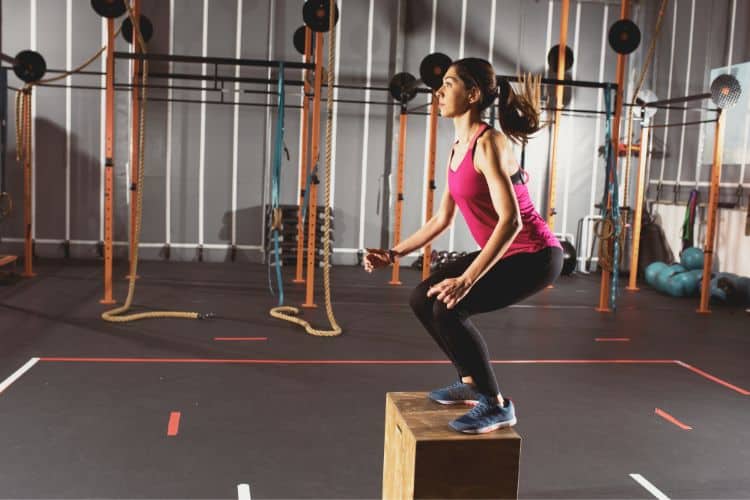
Jump squats elevate the heart rate immediately while targeting the glutes, quads, and hamstrings. They build explosive power, improve lower-body strength, and help develop faster reaction time. Focus on soft landings, using the glutes for control, and maintaining an upright chest. If necessary, modify by performing bodyweight squats without the jump.
Push-ups strengthen the chest, shoulders, triceps, and core. They also improve upper-body endurance and overall stability. Keep the core tight, maintain a straight line from shoulders to heels, and lower the chest toward the floor with control. If needed, modify by performing push-ups on knees or against a wall.
Mountain climbers provide a combination of cardio, core conditioning, and hip mobility. Maintain a strong plank position throughout the movement to avoid dipping the hips. Drive the knees toward the chest rapidly, keeping the shoulders stacked over the wrists. This movement significantly increases heart rate and trains both speed and coordination.
Reverse lunges strengthen the glutes, quads, and hamstrings while challenging balance and stability. Step backward rather than forward to reduce knee stress and improve joint alignment. Keep the chest up, step back with control, and drive through the front heel as you return to standing. To increase intensity, alternate legs rapidly or hold light dumbbells.
Burpees are a full-body powerhouse movement that improves cardiovascular endurance, strength, and stamina. Combining a squat, plank, optional push-up, and jump, burpees challenge every major muscle group. Work at your own intensity and avoid sacrificing form. If needed, step back into the plank instead of jumping.
Plank jacks strengthen the core, shoulders, and glutes while adding a cardio element. Begin in a strong plank position on hands or elbows and jump the feet out and in like a horizontal jumping jack. Maintain tight core engagement throughout the movement. This exercise helps improve stability and increases heart rate without high impact on joints.
High knees enhance speed, agility, and cardiovascular conditioning. Bring the knees toward the chest quickly while pumping the arms. Maintain an upright posture and focus on driving through the balls of your feet. High knees are excellent for improving running performance and coordination.
Bicycle crunches target the obliques, upper abs, and lower abs simultaneously. Maintain controlled movement and focus on twisting the torso rather than pulling the neck. Extend each leg fully and rotate the elbow toward the opposite knee with intention. This exercise helps sculpt the midsection and improves core stability.
After completing the 20-minute HIIT circuit, the finisher ensures you empty the tank and maximize metabolic burn. This last burst increases EPOC, meaning your body continues burning calories long after your workout ends.
Perform the following exercises:
20 seconds on, 10 seconds off — 3 rounds total
This high-intensity finisher boosts mental toughness and challenges muscular endurance. Even though it’s short, the elevated intensity delivers powerful conditioning benefits and ignites a final calorie surge.
A structured cool down helps restore the heart rate, reduce muscle tightness, and improve flexibility. It also supports muscle recovery, decreases soreness, and promotes better post-workout mobility. Spend at least three minutes moving through full-body stretches such as child’s pose, standing quad stretches, hamstring stretches, and chest-opening movements. Incorporate slow breathing to relax the nervous system and bring the body back into a calm state.
HIIT is one of the most effective methods for burning calories quickly due to intense bursts of work that elevate the heart rate and accelerate metabolism. A 30-minute session can burn as many calories as longer, moderate-intensity workouts while also improving cardiovascular fitness.
The fast-paced structure of HIIT challenges both aerobic and anaerobic systems. Your heart and lungs work harder, improving stamina over time. Additionally, many HIIT exercises use the entire body, building functional strength and muscular endurance.
Thanks to the EPOC effect, your body continues to burn calories post-workout as it works to restore oxygen, repair muscles, and replenish energy levels. This leads to elevated calorie burn compared to more traditional workouts.
Many HIIT movements mimic real-life actions, such as squatting, lunging, bracing, jumping, and pushing. These exercises help enhance overall strength, coordination, and mobility, benefiting everyday activities as well as athletic performance.
This 30-minute HIIT workout plan uses only bodyweight, making it accessible anytime and anywhere. You can train at home, in the gym, in a hotel room, or outdoors without relying on specialized machines or equipment.
High intensity should never compromise technique. Focus on alignment, controlled movement, and proper breathing patterns. Good form prevents injury and ensures you get the maximum benefit from each exercise.
Feel free to modify movements, shorten work intervals, or lengthen rest periods as needed. HIIT is flexible and should be tailored to your unique fitness level.
To see measurable improvements in strength, endurance, and overall conditioning, consistency is key. Aim to perform this workout three to four times per week, alternating with strength training or active recovery sessions.
Proper hydration and balanced nutrition support energy production, performance, and recovery. Fuel the body with lean protein, complex carbs, and healthy fats before and after training sessions.
A 30-minute HIIT workout is one of the fastest, most effective ways to transform your body, boost endurance, and increase overall fitness. This workout challenges every major muscle group, builds explosive power, and ignites a powerful metabolic response that continues burning calories for hours. Whether you’re short on time or simply prefer fast-paced, high-energy routines, this plan delivers exceptional results.
Check out our full-site library for more ways to stay fit: if you want to continue with quick, effective routines, check out our “3-Day Dumbbell Workout Plan: 30-Minute Full Body Training Guide” (great for strength and conditioning whether you’re at home or at the gym) or explore the “30-Minute Full Body Compound Workout for a Strong Lean Body” for a solid alternative to high-intensity HIIT. For a lower-time commitment option — still packed with results — our “10-Minute Progressive Overload Workout Plan” responds to days when you’re pressed for time but still want to engage your muscles. If you’re looking for more variety, our “20-Minute Full Body Cardio and Strength Workout” blends cardio bursts with strength moves. And on days you need recovery or flexibility training, don’t miss the “15-Minute Full Body Flexibility Workout Routine (Do It Anywhere)” to help you stay mobile and balanced. All of these complement your 30-minute HIIT plan and are ready to help you build consistency, strength, and endurance.
Stay up to date on the latest women’s health, fitness and lifestyle trends and tips.
