


Sign up for workout ideas, training advice, reviews of the latest gear and more.

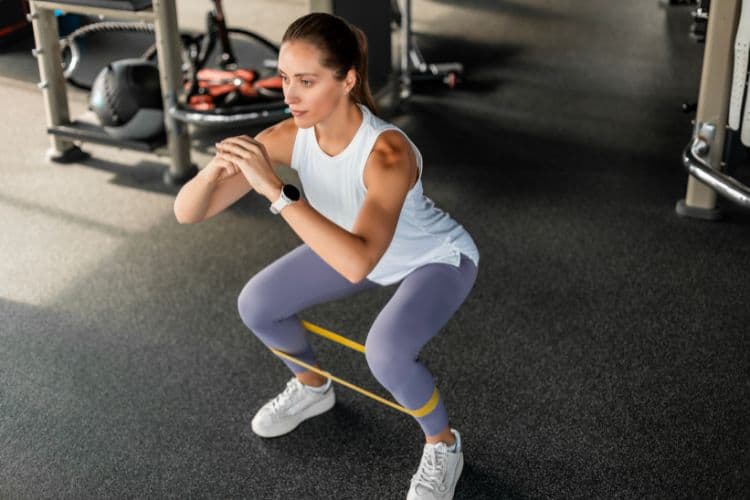
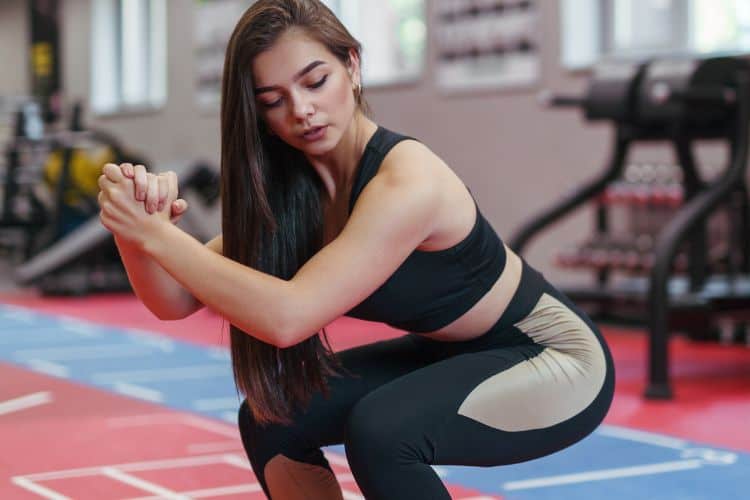
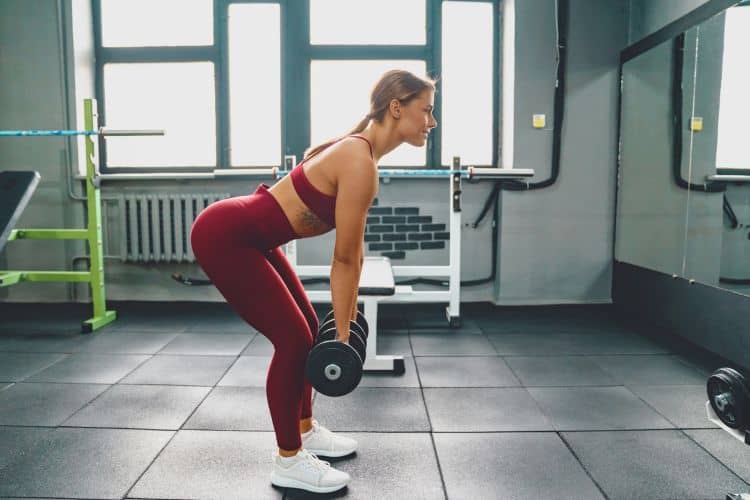
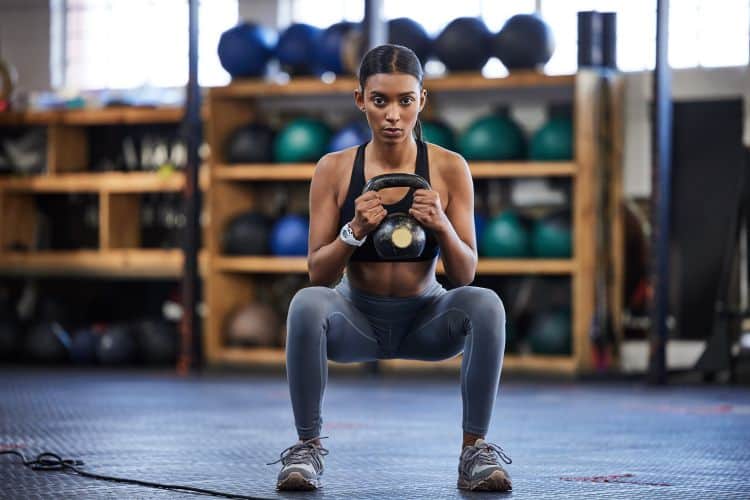
If you want a time-efficient, equipment-light way to build strong, sculpted glutes, 30-minute kettlebell workouts for glutes are one of the most effective training options available. Kettlebells challenge your hips through dynamic movement patterns, constant tension, and functional strength work that targets the glutes from multiple angles. In just half an hour, you can stimulate muscle growth, improve lower-body power, and elevate your heart rate for fat-burning benefits.
This comprehensive guide explains why kettlebell training is so effective for glute development, how to structure a 30-minute workout, and which kettlebell exercises deliver the best results. Whether you train at home or in the gym, this approach helps you maximize your time while building stronger, more defined glutes.
Kettlebells are uniquely suited for glute-focused workouts because they emphasize hip-dominant movement patterns. Unlike machines that isolate muscles, kettlebells force your body to stabilize and generate force naturally, which leads to greater glute activation.
One of the biggest advantages of kettlebell training is constant muscular engagement. During swings, squats, and lunges, the glutes remain active throughout the entire range of motion rather than only at the top or bottom of a movement. This sustained tension helps stimulate muscle growth and improve muscle tone.
Kettlebell workouts are also highly functional. Strong glutes improve posture, support the lower back, enhance athletic performance, and reduce the risk of knee and hip injuries. Training with kettlebells teaches your glutes to work as they’re meant to in real life—powerfully and efficiently.
To build effective kettlebell glute workouts, it’s important to understand how the glutes function.
This is the largest glute muscle and the primary driver of hip extension. Exercises like kettlebell swings, deadlifts, and squats heavily recruit the gluteus maximus, making it essential for strength and shape.
The glute medius stabilizes the pelvis and controls side-to-side movement. It’s activated during lunges, step-backs, and single-leg kettlebell exercises.
The smallest of the three glute muscles assists with hip stability and rotation. It works hardest during unilateral and balance-based movements.
A well-designed 30-minute kettlebell workout for glutes should stimulate all three muscles for balanced development and injury prevention.
Short workouts can still be extremely effective when programmed correctly.
One major benefit is time efficiency. Thirty minutes is long enough to include strength, power, and metabolic training without overloading your joints or nervous system.
Kettlebell glute workouts also help improve muscle tone and firmness. The combination of resistance and continuous movement increases muscle density, leading to a lifted, sculpted appearance over time.
Another advantage is the metabolic effect. Kettlebell training elevates heart rate while maintaining muscle tension, helping support fat loss without sacrificing strength.
To maximize results, your workout should follow a simple but effective structure.
A proper warm-up prepares your hips, knees, and ankles while activating the glutes. This phase should include mobility work and light movement to increase blood flow.
This portion focuses on controlled kettlebell exercises using moderate to heavy loads. Slower tempo and full range of motion help maximize glute activation.
Dynamic exercises increase heart rate and challenge the glutes under fatigue. This phase improves endurance and calorie burn.
The final minutes fully fatigue the glutes using higher reps or time-based holds to stimulate muscle growth.
These exercises form the foundation of effective kettlebell glute workouts.
Swings are one of the best glute-building exercises available. They train explosive hip extension and activate the glutes on every rep.
Holding the kettlebell close to the chest encourages deeper squats and greater glute engagement while reinforcing proper form.
This hip-hinge movement targets the glutes and hamstrings while improving posterior-chain strength.
Stepping backward reduces knee stress and increases glute activation compared to forward lunges.
A wider stance shifts more emphasis onto the inner thighs and glutes, making this a powerful lower-body exercise.
This unilateral movement strengthens the glute medius and improves balance and stability.
This workout emphasizes muscle tension and controlled movement.
Begin with a brief warm-up focusing on hip mobility and light kettlebell hinges.
Perform three rounds of the following exercises with minimal rest:
This block builds strength and muscle tone through moderate repetition and load.
Alternate kettlebell swings with sumo deadlifts for several rounds. This phase increases power output while keeping the glutes under tension.
Finish with kettlebell glute bridges and bodyweight squat pulses to fully fatigue the muscles.
This variation prioritizes calorie burn while still targeting the glutes.
Use timed intervals with short rest periods to maintain intensity. Rotating through kettlebell swings, goblet squats, and reverse lunges keeps the glutes engaged while elevating heart rate.
End with high-rep glute bridges or isometric squat holds to challenge muscular endurance.
Low-impact kettlebell workouts are ideal for beginners, recovery days, or anyone managing joint sensitivity.
Focus on slow, controlled kettlebell deadlifts, box-assisted squats, and step-back lunges. Reducing impact does not reduce effectiveness when form and tempo are prioritized.
A longer finisher using controlled glute bridges and isometric holds can still produce a strong muscle-burning effect.
For most people:
Allow at least 48 hours between intense glute sessions to promote muscle recovery and growth.
Selecting the correct kettlebell weight is essential for proper glute activation.
Beginners should focus on mastering form with lighter weights before progressing. Intermediate and advanced lifters can increase load gradually as strength improves.
It’s also helpful to use different weights for different exercises. Swings and deadlifts often require heavier kettlebells than squats or lunges.
One of the most common mistakes is turning hip-hinge movements into squats. Proper hinge mechanics are essential for targeting the glutes rather than the lower back.
Another mistake is relying on momentum instead of muscle control. While kettlebells are dynamic, the glutes should drive each movement deliberately.
Skipping warm-ups is also a frequent issue. Cold hips reduce glute activation and increase injury risk.
To continue seeing progress over time, gradually increase training demands.
You can add heavier kettlebells, slow down the tempo, increase total volume, or introduce single-leg variations. Even small progressions make a significant difference when applied consistently.
Training alone isn’t enough to build strong glutes.
Adequate protein intake supports muscle repair and growth. Staying hydrated helps maintain performance and recovery. Quality sleep plays a major role in muscle development and hormone regulation.
Balancing training with recovery ensures long-term results and reduces burnout.
These workouts are ideal for women training at home, busy professionals, beginners, and advanced athletes alike. Kettlebells are scalable, versatile, and effective at any fitness level.
They’re also perfect for anyone looking to improve lower-body strength, posture, and overall athletic performance without long gym sessions.
A well-structured 30-minute kettlebell workout for glutes delivers powerful results in a short amount of time. By combining hip-dominant strength exercises, dynamic movement, and smart programming, you can build strong, sculpted glutes while supporting fat loss and functional fitness.
Consistency, proper technique, and gradual progression are the keys to success. Whether you’re training at home or in the gym, kettlebells provide everything you need to strengthen and shape your glutes—one focused 30-minute session at a time.
For readers interested in maximizing their lower-body strength and glute development, incorporating kettlebell training is a game-changer. If you want to explore the best kettlebell exercises to strengthen your glutes and legs, check out our guide to 10 Best Kettlebell Leg Exercises for Stronger Glutes & Quads to learn proper form and movement benefits. For a complete lower-body focus, our 30 Minute Kettlebell Legs Workout for Strength and Fat Loss delivers an efficient circuit that targets your glutes, hamstrings, and quads in just half an hour. If time is tight but you still want results, don’t miss the 10-Minute Kettlebell Workout for a Full Body Transformation for high-intensity options that complement glute work. To round out your fitness routine, our Best Full Body Kettlebell HIIT Workout You Can Do at Home blends strength and cardio for overall conditioning. And for days when you want to focus on muscle balance and posterior chain strength, the 7 Best Kettlebell Deadlift Variations for Strength and Fat Loss offers great options that activate your glutes and hamstrings with every rep
Stay up to date on the latest women’s health, fitness and lifestyle trends and tips.
