


Sign up for workout ideas, training advice, reviews of the latest gear and more.

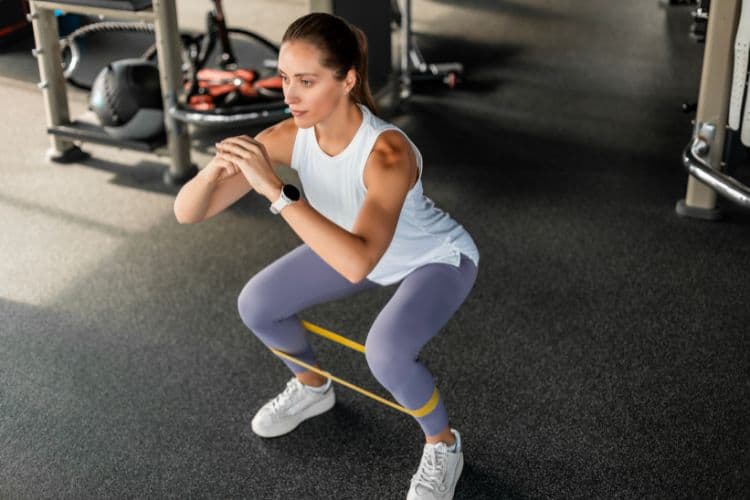

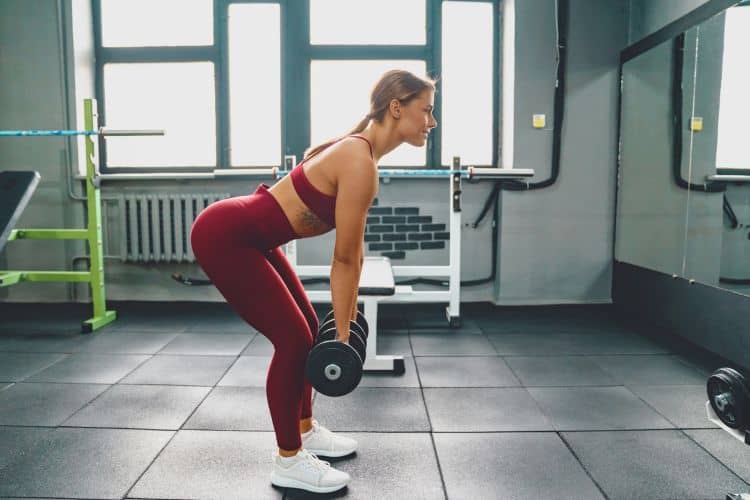


A 30-minute low impact full body workout is one of the most effective ways to improve strength, burn calories, and boost cardiovascular health—without placing excessive stress on your joints. Whether you are a beginner, returning to exercise after a break, managing joint sensitivity, or simply looking for a sustainable workout you can do consistently, low impact training offers powerful results in a safe and accessible format.
Unlike high-impact workouts that rely on jumping, sprinting, or explosive movements, low impact workouts keep at least one foot grounded at all times. This reduces stress on the knees, hips, ankles, and lower back while still engaging major muscle groups and elevating the heart rate. When structured correctly, a 30-minute low impact full body workout can deliver strength, endurance, mobility, and fat-burning benefits comparable to more intense routines.
In this guide, you’ll learn exactly how to structure a 30-minute low impact full body workout, which exercises to include, how to modify for different fitness levels, and why this style of training is ideal for long-term health and consistency.
A low impact full body workout is a training session that targets the upper body, lower body, and core while minimizing joint stress. Movements are controlled, deliberate, and fluid, focusing on muscle engagement, balance, and proper alignment rather than speed or force.
Low impact workouts can still raise your heart rate and challenge your muscles. The key difference is that impact forces—such as jumping or pounding the ground—are removed. This makes the workout safer and more sustainable while still delivering measurable fitness improvements.
Low impact full body workouts typically include:
Because of these elements, low impact workouts are ideal for daily training, recovery days, and long-term fitness routines.
A 30-minute session strikes the perfect balance between efficiency and effectiveness. It’s long enough to challenge the body and short enough to fit into even the busiest schedules.
Low impact workouts allow you to build muscular strength while protecting your joints. Squats, lunges, presses, and rows can all be performed in joint-friendly variations that strengthen muscles without unnecessary stress.
Even without jumping, low impact cardio movements—such as marching, step-backs, and controlled knee lifts—can elevate your heart rate. Over time, this improves endurance, circulation, and overall heart health.
A well-designed low impact full body workout engages large muscle groups, increasing calorie burn during and after exercise. Consistent training helps support fat loss while preserving lean muscle mass.
Many low impact exercises challenge balance and coordination. This improves core strength, posture, and functional movement, which is especially important as we age.
Because low impact workouts are easier on the body, they reduce the risk of injury and burnout. This makes it easier to stay consistent, which is the most important factor in long-term fitness success.
A 30-minute low impact full body workout is suitable for a wide range of individuals.
Low impact training is an excellent entry point into fitness. The movements are easier to learn, and intensity can be adjusted as strength and confidence improve.
As the body changes, joint-friendly workouts become increasingly important. Low impact routines help maintain muscle, bone density, and mobility without excessive strain.
With proper guidance, low impact workouts can support recovery by strengthening muscles and improving movement patterns without aggravating injuries.
If high-impact workouts leave you sore, fatigued, or inconsistent, low impact training provides an effective alternative that you can stick with long term.
To maximize results, your workout should be thoughtfully structured. A balanced session includes a warm-up, strength and cardio circuits, core training, and a cool-down.
A typical 30-minute low impact full body workout might look like this:
This structure ensures that your body is properly prepared, challenged, and recovered.
A proper warm-up is essential, especially in low impact training where controlled movement is key. The goal is to increase circulation, mobilize joints, and activate muscles.
A warm-up may include:
Spend about five minutes gradually increasing intensity while focusing on posture and breathing.
The core of your 30-minute low impact full body workout should combine strength and cardio elements. This keeps the heart rate elevated while building muscle across the entire body.
Lower body movements form the foundation of a full body workout. They engage large muscle groups and contribute significantly to calorie burn.
Common low impact lower body exercises include:
These exercises strengthen the glutes, quadriceps, hamstrings, and calves while protecting the knees and hips.
Upper body strength is essential for posture, daily activities, and overall balance.
Low impact upper body exercises may include:
Performing these movements slowly and with control increases muscle engagement without relying on heavy loads.
Cardio doesn’t have to involve jumping to be effective. Low impact cardio keeps your heart rate elevated while remaining joint-friendly.
Examples include:
These movements can be woven between strength exercises to create a circuit-style workout.
A strong core supports every movement you perform. In low impact training, core exercises often emphasize stability and control.
Effective core exercises include:
Focus on engaging the abdominal muscles and maintaining a neutral spine throughout each movement.
Cooling down helps lower the heart rate, reduce muscle tension, and promote recovery. This final phase is especially important in low impact workouts, where quality of movement is emphasized.
A five-minute cool-down may include:
Move slowly and breathe deeply to relax the body and mind.
One of the greatest advantages of low impact training is its flexibility. You can easily adjust intensity without changing exercises.
To reduce intensity:
To increase intensity:
These adjustments allow the workout to grow with you as your fitness improves.
For most people, low impact workouts can be performed frequently due to their joint-friendly nature.
You can safely perform this workout:
Consistency matters more than intensity, especially when your goal is long-term health and sustainable results.
Even low impact workouts require proper execution to be effective and safe.
Starting cold increases the risk of stiffness and poor movement quality. Always warm up properly.
Low impact training relies on control. Moving too fast reduces muscle engagement and increases injury risk.
A relaxed core can lead to poor posture and strain. Engage your core in every exercise.
Maintain a neutral spine and relaxed shoulders throughout the workout to protect your back and neck.
A 30-minute low impact full body workout supports not only physical fitness but also long-term health and quality of life. It strengthens muscles, protects joints, improves balance, and encourages consistency—key factors in maintaining an active lifestyle as you age.
Unlike extreme workout programs that are difficult to sustain, low impact training fits seamlessly into daily life. It allows you to train smarter, not harder, while still achieving meaningful results.
A 30-minute low impact full body workout proves that you don’t need high-impact movements or long gym sessions to get fit. With thoughtful exercise selection, controlled movement, and consistent practice, this type of workout can help you build strength, improve endurance, and feel better in your body—without unnecessary strain.
Whether you’re just starting your fitness journey or looking for a sustainable routine you can stick with, low impact full body workouts offer a powerful, effective, and joint-friendly solution that supports lifelong health and movement.
To help you get even more fitness inspiration and structure your training week, check out some great resources from Women’s Fit Club: explore our guide to 30-minute full body workouts for women over 40 to support strength and metabolism as you age. Dive into the Best Strength Training Program For Women for balanced muscle building and full body engagement. Follow our 3-Day Dumbbell Workout Plan to mix strength sessions into your training. Complement your routine with our 25-Minute Strength and Cardio Workout Plan for variety and browse additional workouts for women in our fitness section to keep your training fresh
Stay up to date on the latest women’s health, fitness and lifestyle trends and tips.
