


Sign up for workout ideas, training advice, reviews of the latest gear and more.


Building muscle doesn’t always require long hours in the gym. With the right strategy, smart exercise selection, and intentional intensity, a 30-minute muscle-building workout can stimulate major strength gains, support fat loss, and improve overall fitness — even for busy schedules. This efficient format maximizes your time by targeting multiple muscle groups, increasing training density, and boosting your metabolism long after the workout ends.
In this guide, you’ll learn how to structure a 30-minute muscle-building routine, the best exercises to include, the science behind short-duration hypertrophy training, and a step-by-step full session you can perform anywhere with dumbbells or just bodyweight. Whether you’re a beginner or advanced lifter, this approach helps you build muscle quickly and safely.
Many believe muscle building requires long, drawn-out gym sessions, but research shows that intensity and consistency matter far more than duration. Thirty minutes is the perfect sweet spot because it forces you to stay focused, reduces rest time between sets, and keeps your muscles under constant tension — a key trigger for hypertrophy.
Training density is the amount of work you complete in a set amount of time.
Higher density = more muscle stimulus in less time.
Shorter workouts require:
This leads to greater metabolic stress, one of the core drivers of muscle growth.
Shorter, high-intensity resistance workouts create a hormonal environment that supports muscle building, including increased natural growth hormone and testosterone levels.
Most people quit workout plans because they don’t have time.
But 30 minutes a day is realistic, achievable, and creates consistency — the true secret to long-term strength and muscle development.
Your 30-minute session must be intentional, balanced, and focused on compound exercises. The goal is to train efficiently, hitting major muscle groups while maintaining good form and intensity.
Here’s the recommended structure:
Activate your muscles and prepare your joints with:
This decreases injury risk and helps performance.
Use supersets or circuits to reduce rest and maximize time under tension.
Circuit structure:
This provides a mix of volume, intensity, and metabolic stress.
A final burnout pushes your muscles into the hypertrophy zone.
Examples:
Finishers enhance strength endurance and promote extra calorie burn.
To get the most out of a short session, focus on compound lifts — exercises that recruit multiple muscles at once. These build more muscle in less time and increase calorie burn.
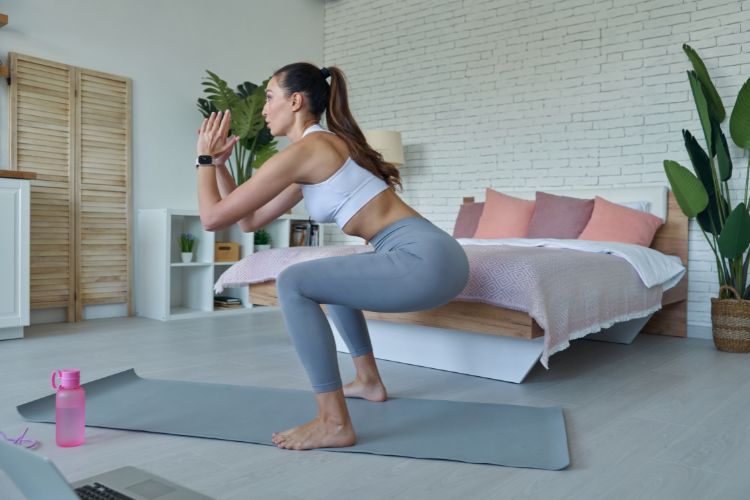
Targets: Quads, glutes, hamstrings, core
Why it builds muscle: Squats activate the body’s largest muscle groups, increasing strength and overall mass.
Targets: Chest, shoulders, triceps
Why it builds muscle: Pushing movements build upper-body mass and stability.
Targets: Back, lats, biceps
Why it builds muscle: Essential for posture and upper-body pulling strength.
Targets: Posterior chain — glutes, hamstrings, lower back
Why it builds muscle: One of the strongest movements for total-body strength and muscle activation.
Targets: Shoulders, upper chest, triceps
Why it builds muscle: Builds deltoid size and upper-body power.
Targets: Abdominals, obliques
Why it matters: A strong core stabilizes every major lift and supports muscle growth safely.
The following workout is designed for maximum muscle-building stimulus in minimal time. Use dumbbells or your bodyweight if equipment isn’t available.
Perform each movement for 30 seconds:
The goal: Raise your heart rate and loosen joints.
Perform each exercise for 45 seconds, rest 15 seconds, then move to the next.
Complete 4 rounds total.
This full-body compound lift builds strength in your legs, glutes, shoulders, and core.
Keep your chest tall, drive through your heels, and press overhead with power.
Hinge from the hips, pull your elbows toward your ribcage, and squeeze your lats.
Maintaining tension during each rep increases back and bicep development.
For push-ups: keep your core tight and lower chest to floor height.
For dumbbell press: keep elbows slightly tucked and press with control.
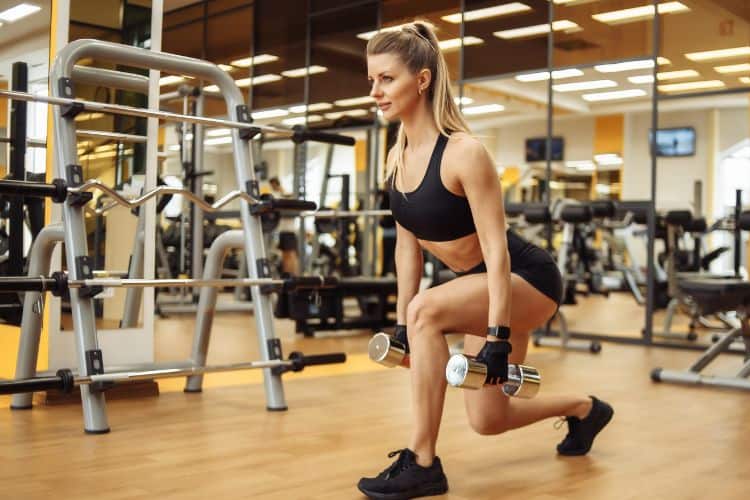
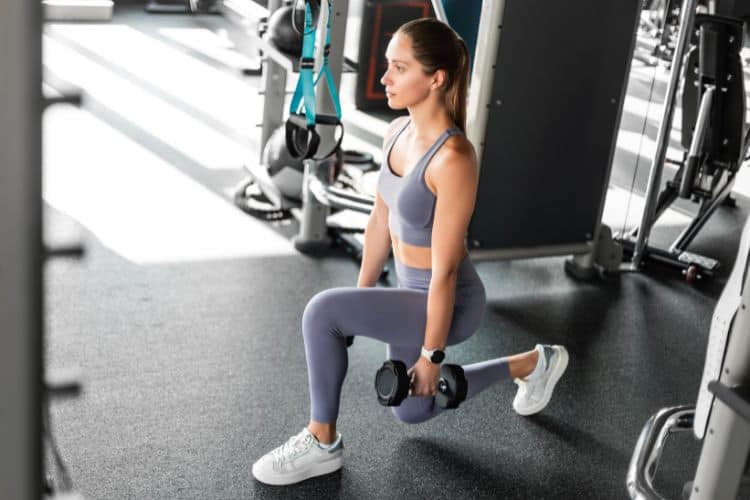
Alternate legs to ensure balanced development.
Reverse lunges reduce knee strain while targeting quads and glutes.
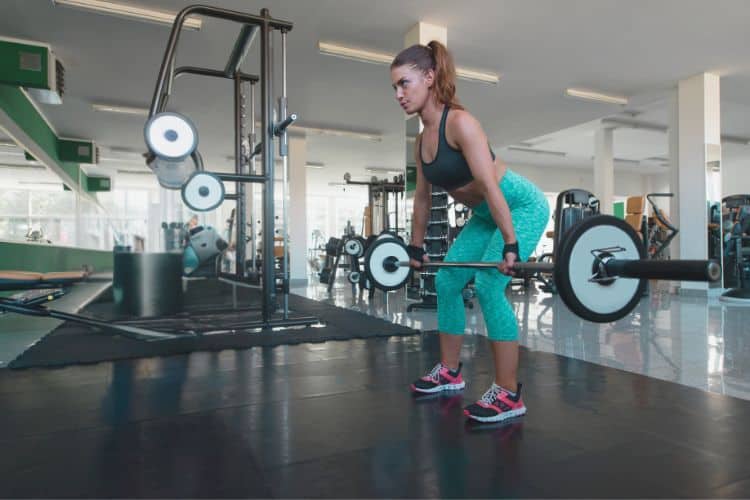
Hinge at the hips, maintain a neutral spine, and feel the stretch in your hamstrings.
This is a powerhouse movement for glute and posterior chain growth.
Rest 60 seconds between rounds.
Choose one of the options below to fully exhaust the muscles:
Do as many push-ups as possible in 3 minutes.
A powerful upper-body burnout.
Walk holding heavy dumbbells for 60–90 seconds.
Rest 30 seconds; repeat twice.
For best results, aim for:
Consistent progressive overload is the key to continuous muscle growth.
If you’re training for only half an hour, efficiency becomes everything. Here are strategies to maximize muscle growth in every session:
Movements like squats, presses, and rows build more muscle faster than isolation exercises.
They work multiple muscle groups and burn more energy.
More muscles worked = more anabolic stimulus.
Tempo is the speed at which you perform each rep.
A great hypertrophy tempo:
Slowing the negative phase dramatically boosts time under tension.
Rest only 15–30 seconds between exercises to keep intensity high.
This improves muscle endurance and increases metabolic stress.
Pick a weight that feels challenging but allows good form.
You should struggle by the last 5–10 seconds of each 45-second work period.
Record:
This keeps motivation high and ensures progressive overload.
Muscle building requires nutrition support.
Focus on:
Even with short workouts, your body needs the right fuel to build mass.
Absolutely. Muscle growth depends on intensity, volume, and consistency — not workout duration. Thirty minutes of focused strength training is enough to stimulate hypertrophy.
Yes. Beginners respond quickly to short, structured sessions because their muscles are adapting rapidly. Over time, you can increase intensity or volume.
Equipment helps, but it’s not required.
Bodyweight squats, push-ups, planks, lunges, and rows can still build strength effectively.
Most people notice:
A 30-minute muscle-building workout is one of the most effective and sustainable ways to gain strength, build lean mass, and boost confidence. It’s fast, motivating, and easy to fit into any lifestyle — and with the right strategy, you can achieve big results in a short amount of time.
By focusing on compound exercises, maintaining proper tempo, reducing rest, and committing to progressive overload, your 30-minute routine becomes a powerful tool for sculpting your body.
Whether you’re at home or in the gym, this workout gives you everything you need to build muscle and feel strong from head to toe.
To complement your 30-minute muscle-building routine and help your readers explore additional strength and fitness content, you can link to other effective workout plans on WomensFitClub.com. For women looking for structured strength training across the week, the 3 Day Dumbbell Workout Plan: 30-Minute Full Body Training Guide offers balanced sessions that build muscle while improving endurance. If your audience wants to vary their training style, the Best 30 Minute Functional Workout Plan for Women combines strength with mobility and core stability for total-body benefits. Women over 40 can boost strength and metabolism with the Best 30-Minute Full Body Routine for Women Over 40 to Stay Fit, designed to support muscle and bone health. For lighter yet effective options, you might also suggest a shorter 15-Minute Full Body Flexibility Workout Routine to aid recovery and improve range of motion.
Stay up to date on the latest women’s health, fitness and lifestyle trends and tips.
