


Sign up for workout ideas, training advice, reviews of the latest gear and more.

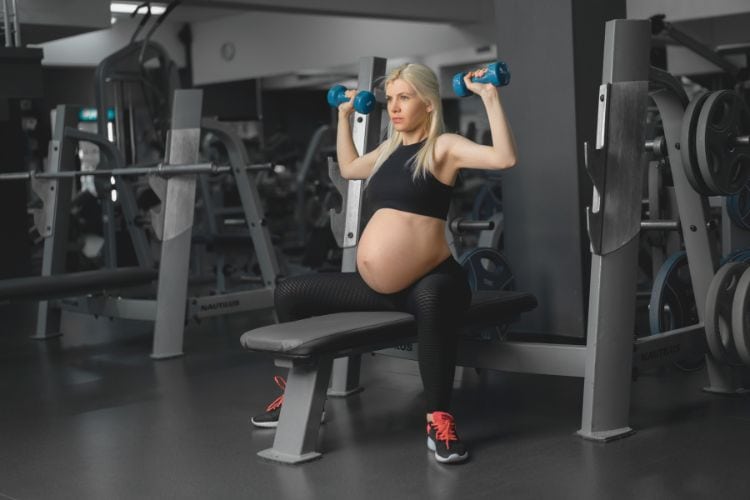
Staying active during pregnancy can feel confusing, especially when it comes to strength training with weights. Many women wonder whether dumbbells are safe, which exercises to avoid, and how hard they should push their bodies while pregnant. The good news is that when done correctly, a 30 minute pregnancy safe dumbbell workout can be one of the most effective and empowering ways to support your changing body.
Strength training during pregnancy is not about pushing limits or chasing personal records. It’s about maintaining functional strength, supporting posture, reducing aches and pains, and preparing your body for labor, delivery, and postpartum recovery. A properly designed dumbbell workout can help you stay strong, mobile, and confident throughout every trimester.
This guide walks you through everything you need to know about pregnancy-safe dumbbell training, including benefits, safety guidelines, trimester considerations, and a complete 30-minute workout you can follow at home or in the gym.
For most women with uncomplicated pregnancies, lifting light to moderate dumbbells is safe and recommended, as long as exercises are properly modified. Major health organizations agree that strength training can be beneficial during pregnancy when performed with correct form, appropriate loads, and medical clearance.
Dumbbells are particularly pregnancy-friendly because they allow for controlled, unilateral movement, which helps improve balance and coordination as your center of gravity changes. Unlike machines or barbells, dumbbells allow your body to move naturally and adapt to your comfort level.
That said, every pregnancy is unique. Always consult your healthcare provider before starting or continuing a workout program, especially if you have conditions such as pelvic pain, placenta previa, preeclampsia, or a history of pregnancy complications.
A structured 30 minute pregnancy dumbbell workout offers both physical and mental benefits that support you through pregnancy and beyond.
As your belly grows, your posture naturally shifts, often leading to lower back pain, rounded shoulders, and neck tension. Dumbbell exercises that strengthen the upper back, glutes, and deep core muscles help counteract these changes and promote better alignment.
Gentle strength training can reduce common discomforts such as back pain, hip tightness, and joint stiffness. Strengthening the muscles that support your spine and pelvis helps distribute load more evenly as your body changes.
Strengthening the legs, hips, arms, and upper body prepares you for the physical demands of labor, carrying your baby, and daily postpartum tasks like feeding, lifting, and rocking.
Resistance training supports lean muscle mass, which can help regulate blood sugar levels and promote healthy weight gain during pregnancy.
Exercise releases endorphins that can reduce stress, anxiety, and fatigue. Many women find that consistent workouts improve sleep quality and overall mood during pregnancy.
Before starting any pregnancy safe dumbbell workout, it’s important to follow foundational safety principles.
Pregnancy is not the time to lift heavy. Choose dumbbells that allow you to perform each movement with full control and perfect form. You should be able to talk comfortably during your workout without feeling breathless.
Avoid fast, jerky, or explosive movements. Controlled strength exercises reduce injury risk and place less strain on joints and connective tissue, which become more flexible during pregnancy due to hormonal changes.
Never hold your breath while lifting. Exhale during the exertion phase of each movement and inhale during the easier phase. Proper breathing helps maintain stable blood pressure and oxygen delivery.
After approximately 12–16 weeks, exercises performed flat on your back may restrict blood flow. Incline positions, seated exercises, or standing movements are safer alternatives.
Pain, dizziness, chest discomfort, vaginal bleeding, or shortness of breath are signs to stop exercising immediately and seek medical advice.
This workout is designed as a full-body strength session that prioritizes safety, balance, and functional movement. It is suitable for most women in the second and third trimesters, with simple modifications for the first trimester.
The workout includes:
No jumping, crunching, or high-impact movements are included.
A proper warm-up prepares your muscles and joints while gradually increasing heart rate. Spend five minutes moving gently and intentionally.
Start with slow marching in place, focusing on posture and breathing. Follow with shoulder rolls, arm circles, and gentle torso rotations within a comfortable range of motion. Add bodyweight squats and hip openers to warm up the lower body.
The goal is to feel warm and mobile, not fatigued.
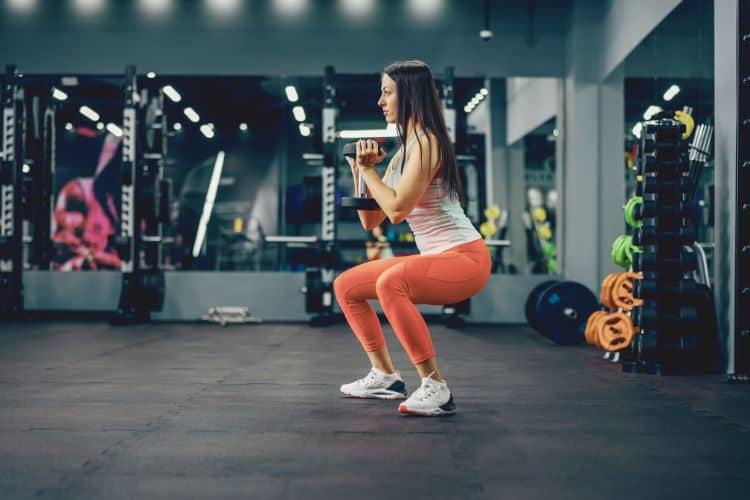
Hold one dumbbell at chest level or two light dumbbells at your sides. Stand with feet slightly wider than hip-width, toes turned slightly outward. Lower into a squat while keeping your chest lifted and knees tracking over your toes.
Squats strengthen the glutes, quads, and pelvic support muscles, which are essential during pregnancy and childbirth. Move slowly and stop before depth compromises comfort or balance.
Holding light dumbbells, step one foot back into a reverse lunge rather than stepping forward. Reverse lunges are more pregnancy-friendly because they reduce balance demands and knee strain.
This exercise strengthens the legs and glutes while improving stability.
Hold dumbbells in front of your thighs and hinge at the hips, pushing your hips back while keeping a neutral spine. This movement targets the glutes and hamstrings, which support the lower back and pelvis.
Focus on controlled movement rather than depth.
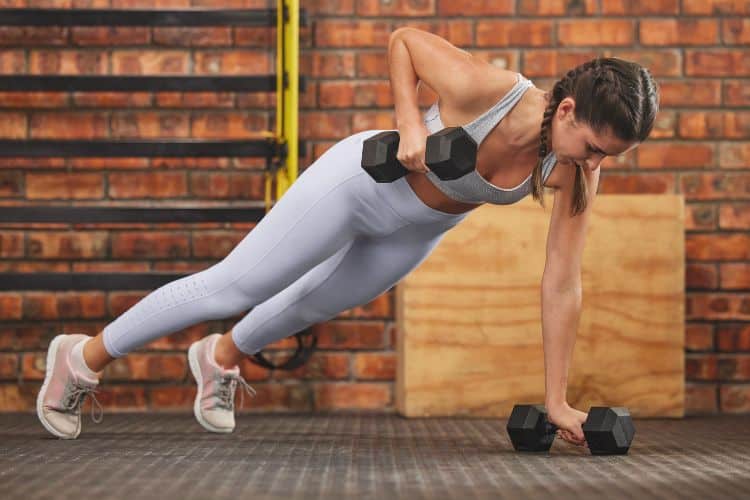
With a slight forward hinge or supported stance, pull dumbbells toward your ribcage, squeezing your shoulder blades together. Rows strengthen the upper back, helping counteract rounded posture as your belly grows.
Strong upper back muscles also support breastfeeding posture and baby-carrying tasks postpartum.
Sit upright on a bench or chair with back support. Press dumbbells upward to shoulder height, stopping before full extension if it feels uncomfortable.
This exercise strengthens the shoulders and arms while minimizing strain on the lower back.
Instead of lying flat, perform chest presses on an incline bench or standing with resistance bands or dumbbells. Chest strengthening supports posture and upper body endurance without restricting blood flow.
Hold light dumbbells at your sides and slowly march in place, lifting one knee at a time. This movement challenges balance and engages the deep core muscles that support the spine.
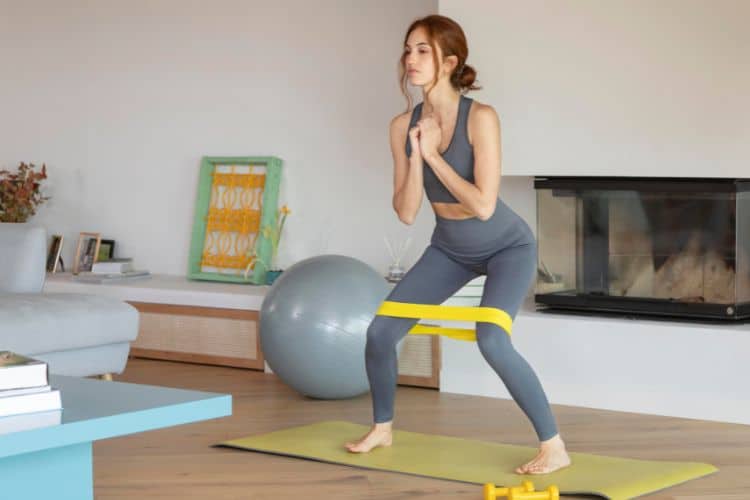
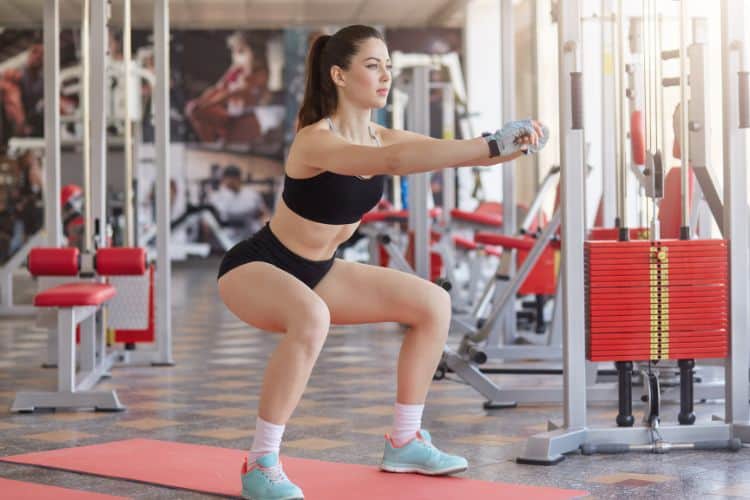
Using a light dumbbell or band, hold the weight at chest level and press it forward while resisting rotation. This exercise strengthens the transverse abdominis without crunching or spinal flexion.
Avoid traditional abdominal exercises like sit-ups, crunches, or leg raises during pregnancy.
Finish your workout with gentle stretching and relaxation. Focus on slow breathing and releasing tension.
Stretch the hips, glutes, hamstrings, chest, and upper back. Gentle prenatal yoga poses or seated stretches are ideal. End with deep diaphragmatic breathing to calm your nervous system and promote recovery.
You may feel fatigued or nauseous during the first trimester. Shorten the workout if needed and focus on lighter weights. Listen closely to your energy levels.
This is often the most comfortable time to strength train. Focus on posture, glute strength, and upper back engagement as your belly begins to grow.
Reduce range of motion, slow down transitions, and prioritize balance. Use support such as a chair or wall if needed, and stop exercises that feel unstable.
Most pregnant women benefit from 2–3 strength training sessions per week, paired with walking, mobility work, or prenatal yoga on other days. Consistency matters more than intensity.
A 30 minute pregnancy safe dumbbell workout fits easily into a busy schedule and provides enough stimulus to maintain strength without excessive fatigue.
One of the biggest mistakes pregnant women make is lifting weights that are too heavy. Another is rushing through exercises or ignoring balance challenges. Avoid exercises that involve lying flat on your back, twisting forcefully, or holding your breath.
Remember that pregnancy fitness is about support, not strain.
A 30 minute pregnancy safe dumbbell workout is one of the best ways to stay strong, mobile, and confident throughout pregnancy. With the right exercises, proper breathing, and a focus on form, dumbbell training can support your body through every stage of motherhood.
Your body is doing incredible work. Strength training isn’t about changing it—it’s about supporting it.
If you stay consistent, listen to your body, and train with intention, you’ll build strength that carries you through pregnancy, birth, and life beyond.
If you’re building a safe and consistent prenatal fitness routine, this 30 minute pregnancy safe dumbbell workout pairs perfectly with our Full-Body Dumbbell Pregnancy Workout Plan for Moms-to-Be, which offers additional trimester-friendly strength exercises and modifications. On days when you want lighter movement, our Cardio Workouts During Pregnancy: Complete Trimester Guide provides safe, low-impact options to support heart health without added strain. If you’re newer to strength training, the 30-Minute Beginner Dumbbell Workout: Full Body Tone is a great way to practice proper form with gentle, controlled movements. For posture and stability support as your body changes, try our 30-Minute Dumbbell Functional Strength Workout, which focuses on balance and everyday strength. You can also enhance recovery and reduce pregnancy-related discomfort by adding mobility work from our Best Mobility Exercises to Stay Active and Flexible guide.
Stay up to date on the latest women’s health, fitness and lifestyle trends and tips.
