


Sign up for workout ideas, training advice, reviews of the latest gear and more.

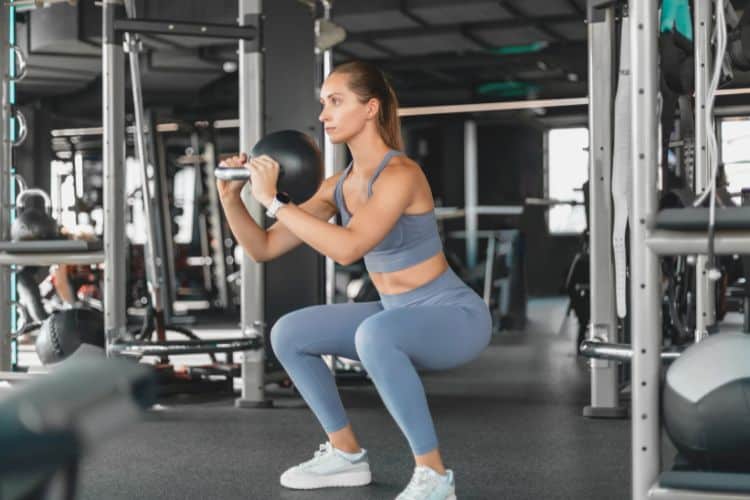
If you’re short on time but serious about building strong, lean legs, a 30 minute resistance leg exercise workout is one of the most effective ways to train your lower body. With the right structure, resistance-based training can help you increase strength, build muscle tone, improve balance, and boost metabolism — all in half an hour.
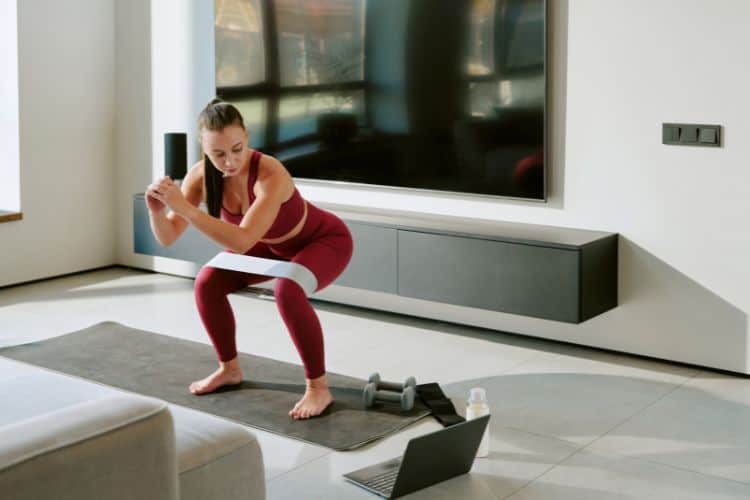
Whether you’re working out at home with dumbbells or resistance bands, or at the gym with barbells and machines, this guide will walk you through a complete 30-minute leg resistance workout plan, plus programming tips, benefits, and progression strategies.
Many people believe you need an hour or more to see results. The truth? When programmed correctly, 30 minutes of focused resistance training can be extremely effective.
Resistance training works by creating mechanical tension and muscle fatigue. When you:
You stimulate muscle growth and strength gains in a short period of time.
A 30-minute resistance leg workout can:
Consistency matters more than duration.
Squats, lunges, and deadlifts activate large lower-body muscle groups.
Leg muscles are some of the largest in the body. Training them increases calorie burn.
Unilateral movements improve coordination and core engagement.
Strengthening surrounding muscles protects knees and hips.
Everyday movements like walking, climbing stairs, and lifting become easier.
Understanding what you’re training helps you optimize results.
A balanced workout should include movements that hit all these areas.
This workout can be done at home or in the gym. Equipment options are listed for flexibility.
Structure:
Proper warm-up reduces injury risk and improves performance.
Focus on controlled movement and full range of motion.
You’ll perform 3 circuits. Rest 30–45 seconds between exercises and 60 seconds between circuits.
Hold a dumbbell or kettlebell at chest height. Sit back into your hips, keep your chest lifted, and drive through your heels.
Targets: Quads, glutes, core
Step backward instead of forward to reduce knee strain and increase glute activation.
Targets: Glutes, hamstrings, quads
Hinge at the hips with a slight knee bend. Lower weights while keeping your back neutral.
Targets: Hamstrings, glutes
Repeat circuit 2–3 times.
Rear foot elevated on a bench or chair. Lower slowly for more muscle tension.
Targets: Glutes, quads, balance
Drive through the heel and squeeze at the top.
Targets: Glutes, hamstrings
Step one leg diagonally behind the other.
Targets: Glute medius, inner thighs
Repeat circuit 2 times.
Wider stance, toes slightly outward. Focus on inner thighs.
Keep tension on the band throughout.
Pause at the top for 1–2 seconds.
Repeat circuit 2 times.
To maximize muscle fatigue and calorie burn, finish strong.
Push intensity but maintain proper form.
To continue seeing results, apply progressive overload.
Add heavier dumbbells weekly.
Move from 10–12 reps to 12–15 reps.
Use a 3-second lowering phase.
Cut rest from 45 seconds to 30 seconds.
Turn 2 rounds into 3 rounds.
Small increases create major long-term gains.
If you don’t have gym access, you can still complete this workout.
Creativity keeps workouts accessible.
Control improves muscle engagement.
Cold muscles increase injury risk.
Knee tracking and neutral spine matter.
Prioritize form over ego lifting.
Core stability protects lower back.
This workout is ideal for:
It can be modified for all fitness levels.
If you want to integrate this into a weekly plan:
Training legs 1–2 times per week is ideal for strength and toning.
To maximize results:
Fueling properly enhances muscle repair.
If you want more intensity:
Pair squats and lunges back-to-back.
Reduce weight immediately after failure.
Pause 2 seconds at bottom of squats.
Add jump lunges for explosive strength.
These increase metabolic demand and muscle stimulation.
Recovery is just as important as training.
Muscle growth happens during recovery.
Yes. With proper intensity and progressive overload, 30 minutes is sufficient.
Absolutely. Start with bodyweight and add resistance gradually.
Depending on weight and intensity, 200–400 calories.
1–2 times per week for balanced strength.
A well-designed 30 minute resistance leg exercise workout proves you don’t need endless hours to build strength and tone your lower body. With focused compound movements, strategic circuits, and progressive overload, you can develop stronger glutes, sculpted quads, and improved endurance efficiently.
Consistency, proper form, and gradual progression are the real secrets to transformation.
If you commit to this 30-minute routine twice per week, fuel your body properly, and prioritize recovery, you’ll start noticing stronger, firmer, more powerful legs — without spending hours in the gym.
Your time is valuable. Train smart. Train strong.
For women looking to build stronger, more toned legs in just half an hour, combining resistance training with expert-approved routines can make all the difference. Check out our complete guide to the Best 30 Minute Leg Workout To Build Strength And Tone for targeted lower-body moves you can do at home or in the gym. If you want to focus specifically on resistance and dumbbell training, our Build Stronger Legs With This 30 Minute Dumbbell Workout breaks down essential exercises like squats, lunges, and deadlifts. To diversify your routine with unilateral strength and balance training, don’t miss the 10 Best Unilateral Leg Exercises For Strength Balance And Stability. For a broader look at effective movements, explore the Best Leg Exercises For Women To Transform Your Lower Body and incorporate them into your 30-minute session.
Stay up to date on the latest women’s health, fitness and lifestyle trends and tips.
