



Sign up for workout ideas, training advice, reviews of the latest gear and more.



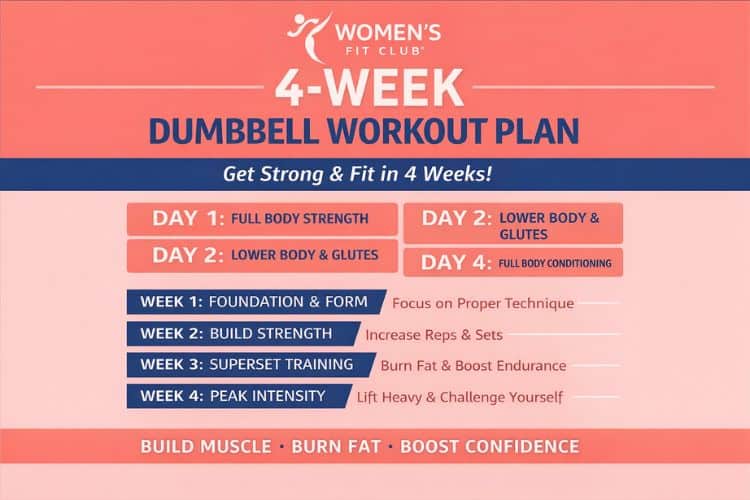

Winter often brings colder temperatures, shorter days, and lower motivation—but it’s actually one of the best seasons to focus on strength training. With fewer outdoor distractions and a natural shift toward structured routines, winter is the perfect time to build muscle, improve metabolism, and create a solid fitness foundation that carries into spring. This 4-week winter strength training plan is designed to help you stay consistent during the cold months while improving full-body strength, joint stability, and overall fitness. Whether you’re training at home or in the gym, this plan emphasizes progressive overload, balanced muscle development, and sustainable workouts that fit into real life.
Strength training during winter offers unique physical and mental advantages that many people overlook.
Colder weather naturally reduces spontaneous movement, which means intentional workouts become even more important. Strength training helps counteract winter sluggishness, supports healthy metabolism, and keeps energy levels high when daylight is limited.
Winter is also ideal for structured programs. Instead of chasing calorie burn or outdoor cardio, focusing on controlled strength sessions allows you to improve technique, increase muscle tone, and prevent seasonal weight gain.
A structured four-week plan creates momentum without feeling overwhelming. It provides enough time to see measurable progress while staying flexible and realistic.
Consistent resistance training builds lean muscle, improves posture, and enhances overall body composition—especially when workouts are repeated weekly with slight progressions.
Muscle tissue burns more calories at rest than fat tissue. Strength training helps maintain metabolic rate when winter routines become more sedentary.
Cold temperatures can increase stiffness. Strength training supports joints by strengthening surrounding muscles, improving mobility, and reducing injury risk.
Following a clear plan removes guesswork. Knowing exactly what workout to do each day makes it easier to stay consistent throughout winter.
This program is designed around 4 training days per week, allowing ample recovery while maintaining progress.
Each week follows a similar structure:
Workouts can be completed at home with dumbbells or in the gym with machines and barbells. Rest days are built in to support recovery and prevent burnout.
This flexible layout allows you to shift days as needed while maintaining balance.
A proper warm-up is essential in colder weather. Muscles and joints need extra preparation to move efficiently and safely.
Start each session with 5–10 minutes of light cardio such as marching, cycling, or bodyweight movements. Follow with dynamic mobility drills focusing on hips, shoulders, and spine.
Avoid static stretching before lifting. Save longer stretches for post-workout recovery.
Week 1 focuses on learning movement patterns, improving form, and establishing consistency.
Exercises emphasize glutes, quads, hamstrings, and calves using controlled repetitions.
Focus on moderate weights and full range of motion. Rest 60–90 seconds between sets.
This session targets chest, back, shoulders, arms, and core stabilization.
Prioritize posture and controlled tempo, especially during pulling movements.
Full-body sessions combine compound exercises that engage multiple muscle groups.
Keep intensity moderate and avoid rushing through movements.
Light conditioning and core stability work improve endurance and support strength days.
This session should feel energizing—not exhausting.
Week 2 introduces slightly higher volume while maintaining proper form.
Add an extra set to key lower-body exercises or slightly increase resistance.
Focus on steady breathing and controlled eccentric movements.
Increase reps or weight on pressing and pulling exercises while keeping shoulders stable.
Avoid momentum and focus on muscle engagement.
Full-body workouts become more challenging with longer work sets or shorter rest periods.
Maintain quality movement over speed.
Core exercises emphasize anti-rotation and balance to support heavier lifts.
Week 3 is where strength gains accelerate. This week focuses on progressive overload, increasing intensity in a safe and strategic way.
Increase weight slightly or slow down the tempo to increase time under tension.
Rest adequately to maintain power and control.
Compound lifts take priority. Push slightly heavier loads while maintaining proper alignment.
Focus on full shoulder and back engagement.
This session challenges endurance and strength together.
You may feel more fatigued this week—prioritize recovery and hydration.
Conditioning becomes more strength-based, using loaded carries or weighted core movements.
Week 4 reinforces progress while allowing flexibility for recovery.
Maintain weight but improve execution. Focus on depth, stability, and balance.
Repeat your strongest lifts from previous weeks and aim for clean, confident reps.
This workout ties everything together with controlled, full-range movements.
This session can be lighter if needed. Mobility and recovery-focused core work are encouraged.
Recovery is just as important as training, especially in colder months.
Aim for at least one full rest day per week. Light movement such as walking, stretching, or yoga helps reduce stiffness.
Sleep quality matters. Winter fatigue often comes from disrupted sleep patterns, so prioritize consistent bedtimes.
Strength training requires proper fuel, especially during winter.
Focus on:
Warm meals like soups, roasted vegetables, and protein-rich breakfasts can improve adherence.
Many people lose progress during winter due to avoidable habits.
Skipping warm-ups, training inconsistently, or trying to “out-train” poor recovery are common pitfalls.
Avoid excessive cardio at the expense of strength work. Winter is the season to build—not burn out.
If you’re new to strength training, reduce volume and focus on mastering form.
Start with lighter weights, fewer sets, and longer rest periods. Consistency matters more than intensity.
Progress gradually and listen to your body.
Once you complete the four weeks, you can:
Strength built in winter sets the stage for year-round fitness success.
A structured 4-week winter strength training plan helps you stay consistent, motivated, and strong during the coldest months of the year. Instead of fighting winter, use it as an opportunity to slow down, train with intention, and build lasting strength.
By focusing on progressive overload, proper recovery, and realistic scheduling, you’ll not only maintain fitness through winter—you’ll come out stronger, more confident, and ready for whatever comes next.
To support your winter strength training journey and help you stay consistent, WomensFitClub.com offers a variety of complementary workouts and resources that pair perfectly with your 4-week plan. If you’re looking to build strength gradually, try our 10‑Minute Dumbbell Workout for Total Body Strength that’s quick yet effective, or explore the Strength Training for Beginners: Your Essential 10‑Minute Start for foundational guidance. For days when you want to blend strength with fat-burning, check out the 30‑Minute Full Body Strength Workout Plan (Complete Guide), and on lighter or recovery days, our Ultimate 5‑Minute Low‑Impact Full Body Workout keeps you moving without strain. Finally, balance your winter strength routine with the 25‑Minute Workout Plan for Strength and Cardio for efficient full-body conditioning that fits any busy schedule.
Stay up to date on the latest women’s health, fitness and lifestyle trends and tips.
