


Sign up for workout ideas, training advice, reviews of the latest gear and more.


Finding a workout that delivers real results without putting stress on the joints can feel nearly impossible. High-impact routines often promise fast fat loss and muscle tone, but they can lead to joint pain, burnout, or injury—especially for women over 30, beginners, or anyone returning to fitness after time off. That is where a 45-minute low impact full body workout becomes a powerful and sustainable solution.
A properly designed low-impact workout can strengthen every major muscle group, improve cardiovascular health, boost calorie burn, and support long-term consistency—all without jumping, running, or pounding the joints. This guide breaks down exactly how a 45-minute low-impact full body workout works, why it is effective, and how to structure it for maximum results.
Whether your goal is fat loss, muscle tone, improved mobility, or overall fitness, this workout style allows you to train with confidence while protecting your body.
A low-impact full body workout focuses on controlled movements that keep at least one foot on the ground at all times. Instead of explosive jumping or high-velocity movements, low-impact exercises rely on strength, stability, tempo, and muscular control to create intensity.
In a full body format, every major muscle group—legs, glutes, core, chest, back, shoulders, and arms—is trained in a single session. Over 45 minutes, this creates enough training volume to stimulate muscle, elevate heart rate, and encourage fat loss without excessive stress.
Low impact does not mean low effort. When programmed correctly, these workouts can feel just as challenging as high-impact sessions while being far more joint-friendly.
One of the most significant advantages of low-impact training is reduced stress on the knees, hips, ankles, and lower back. This makes it ideal for women with joint sensitivity, previous injuries, or mobility limitations. Because the movements are controlled, you can focus on proper form and muscle engagement instead of impact absorption.
Training the entire body in one session allows muscles to work synergistically rather than in isolation. This leads to balanced strength development, improved posture, and a lean, toned appearance without overtraining any single area.
A 45-minute workout provides enough duration to elevate calorie burn while keeping cortisol levels manageable. This balance supports fat loss without the hormonal stress that often accompanies extreme high-intensity workouts.
Low-impact workouts are easier to recover from, which means you can train more consistently throughout the week. Consistency—not intensity alone—is what drives long-term results.
This workout style is ideal for beginners building a fitness foundation, women over 40 or 50 prioritizing joint health, postpartum recovery phases (with clearance), and anyone seeking a safer alternative to high-impact routines. It is also effective for advanced exercisers who want an active recovery day or a sustainable long-term training method.
Low impact training is not limited by fitness level. Intensity can be adjusted through resistance, tempo, range of motion, and rest intervals.
A well-balanced 45-minute session is divided into four key phases: warm-up, lower body focus, upper body focus, and core plus conditioning. Each phase plays a critical role in performance and results.
The warm-up prepares the joints, muscles, and nervous system for movement. In low-impact training, the warm-up is especially important because it enhances mobility and reduces stiffness.
A proper warm-up should gradually elevate heart rate while moving joints through safe ranges of motion. Movements like marching in place, arm circles, hip openers, bodyweight squats, and controlled torso rotations increase blood flow and activate stabilizing muscles.
By the end of the warm-up, your body should feel loose, warm, and ready to work without fatigue.
The lower body phase forms the foundation of a full body workout. This section focuses on the glutes, quadriceps, hamstrings, and calves while emphasizing balance and control.
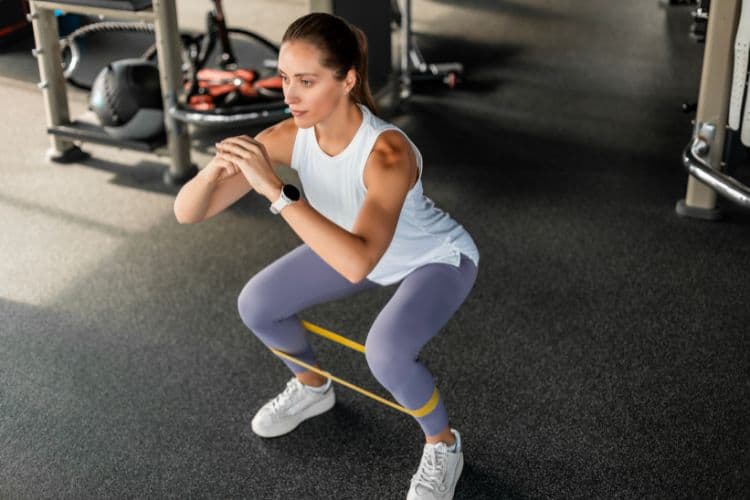
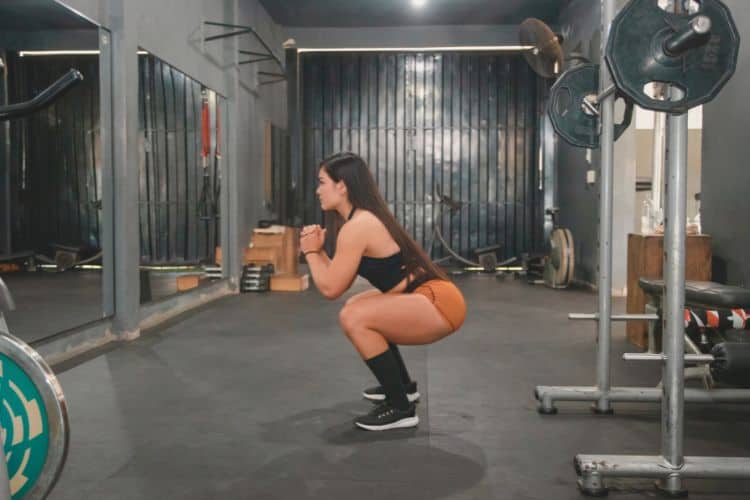
Squatting movements build strength in the legs and glutes while improving mobility in the hips and ankles. Low-impact squat variations emphasize slow lowering phases, controlled depth, and proper alignment rather than speed.
By slowing the tempo, muscles stay under tension longer, increasing strength and muscle tone without joint strain.
Static lunges, reverse lunges, and split squats are excellent low-impact options that challenge balance and leg strength. These movements activate stabilizing muscles while avoiding the stress associated with jumping lunges.
Focusing on posture and knee alignment ensures safe execution while maximizing muscle engagement.
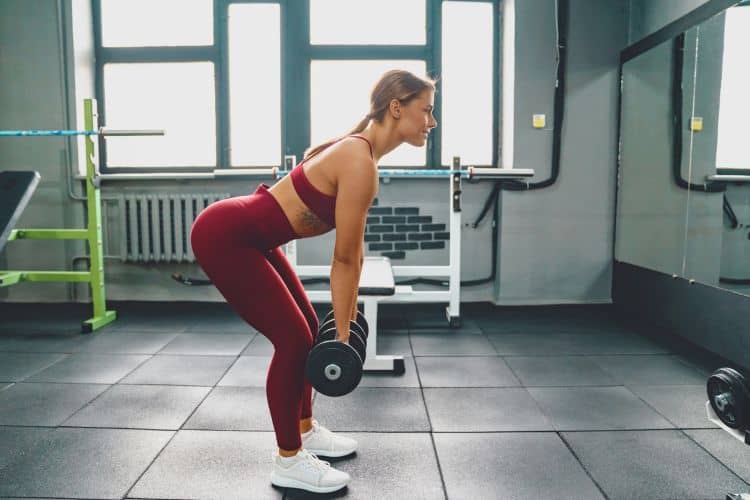
Exercises that isolate the glutes help improve hip stability and protect the lower back. Controlled movements such as hinge patterns and lateral leg work enhance strength while maintaining low impact.
During this phase, rest periods remain short to maintain an elevated heart rate without sacrificing form.
Upper body training in a low-impact workout emphasizes posture, shoulder stability, and balanced muscle development. This phase targets the chest, back, shoulders, biceps, and triceps.
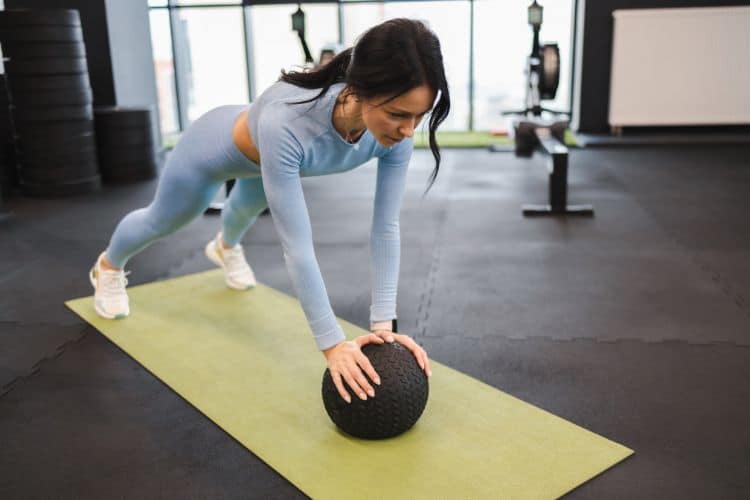
Low-impact pushing exercises strengthen the chest, shoulders, and triceps. These movements also engage the core, especially when performed standing or with slow, controlled tempo.
Proper alignment and range of motion are key to protecting the shoulders and maximizing strength gains.
Pulling patterns strengthen the upper back and improve posture, which is especially important for women who spend long hours sitting. Controlled pulling exercises help counteract rounded shoulders and neck tension.
Focusing on squeezing the shoulder blades enhances muscle activation while supporting spinal alignment.
Isolated arm movements performed at a slow pace increase muscle endurance and tone without requiring heavy resistance. These exercises contribute to balanced upper body strength and improved functional fitness.
The final phase of the workout focuses on core stability and gentle conditioning. This section ties the entire workout together by reinforcing balance, posture, and movement efficiency.
Low-impact core exercises emphasize stability rather than excessive flexion. Controlled movements strengthen the deep abdominal muscles, which support the spine and improve overall strength.
By focusing on breathing and alignment, the core remains engaged without unnecessary strain on the neck or lower back.
Instead of jumping or running, conditioning movements rely on continuous motion and full-body engagement. These exercises elevate heart rate while remaining joint-friendly.
This phase enhances cardiovascular endurance and calorie burn, completing the full body workout with a controlled intensity boost.
Low impact workouts are highly adaptable. Intensity can be increased or decreased without changing exercises.
Slowing down movements increases time under tension, making exercises more challenging. Adding light resistance or increasing range of motion can also raise intensity. Reducing rest periods keeps the heart rate elevated for greater cardiovascular benefit.
Beginners may choose to shorten rest intervals gradually, while advanced exercisers can focus on tempo control and resistance progression.
For most women, performing a low-impact full body workout three to five times per week provides excellent results. This frequency allows for strength gains, cardiovascular improvement, and adequate recovery.
Because low-impact workouts are easier on the joints, they can be performed more frequently than high-impact routines without increasing injury risk.
Yes, low-impact workouts can absolutely build muscle when programmed correctly. Muscle growth depends on tension, volume, and consistency—not impact.
Using controlled movements, progressive resistance, and sufficient training volume allows muscles to adapt and strengthen over time. While maximal hypertrophy may require heavier loads, low-impact training is highly effective for lean muscle tone and functional strength.
Weight loss occurs when calorie expenditure and metabolic health improve over time. A 45-minute low-impact workout burns calories while preserving muscle mass, which supports a healthy metabolism.
Unlike extreme workouts that can lead to burnout, low-impact training promotes consistency. Consistent movement combined with proper nutrition creates sustainable fat loss without excessive fatigue.
One common mistake is assuming low impact means easy. Rushing through movements or using poor form reduces effectiveness and increases injury risk. Focus on control, posture, and breathing.
Another mistake is skipping warm-ups or cooldowns. Proper preparation and recovery are essential for joint health and long-term progress.
Finally, failing to progress intensity over time can stall results. Even low-impact workouts require gradual challenges to continue improving.
Ending the workout with a cooldown supports recovery and flexibility. Gentle stretches for the hips, hamstrings, chest, and shoulders help reduce muscle tightness and improve mobility.
Deep breathing during the cooldown promotes relaxation and helps regulate heart rate. This final phase ensures you leave the workout feeling strong, refreshed, and energized rather than exhausted.
This workout format succeeds because it balances strength, cardio, and recovery in a way that supports long-term fitness. It allows women to train consistently without sacrificing joint health or enjoyment.
By engaging the entire body, improving movement quality, and promoting sustainable intensity, a 45-minute low-impact full body workout delivers results that last.
A 45-minute low impact full body workout is one of the most effective and sustainable ways to improve strength, burn fat, and enhance overall fitness. It provides enough time to challenge the body while remaining gentle on the joints, making it suitable for women at every stage of life.
When consistency, proper form, and progressive challenge are combined, low-impact training becomes a powerful tool for lifelong health and confidence.
At Women’s Fit Club we believe in supporting your fitness journey with workouts that fit every schedule and lifestyle, from quick routines to comprehensive plans that build strength and stamina. If you enjoyed this 45-minute low impact full body workout, you might also love our 30-Minute Functional Workout Plan for Women that boosts strength and mobility while burning fat, designed to fit right into your weekly training routine. For women over 40 seeking balanced strength and endurance, our Best 30-Minute Full Body Routine for Women Over 40 offers targeted moves that support muscle tone and energy levels. If you’re looking to structure your training week, check out the 3-Day Dumbbell Workout Plan that blends full body strength with metabolic work. For shorter sessions on busy days, our 25-Minute Workout Plan for Strength and Cardio delivers efficient results with minimal time. Finally, explore our broader collection of workout programs for women to mix and match routines that keep your workouts fresh and effective. These resources help you continue building strength, burning fat, and feeling confident in your fitness journey.
Stay up to date on the latest women’s health, fitness and lifestyle trends and tips.
