


Sign up for workout ideas, training advice, reviews of the latest gear and more.

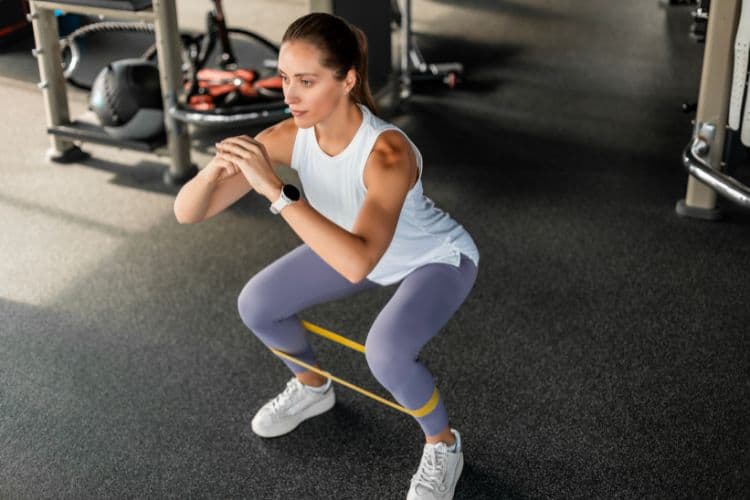

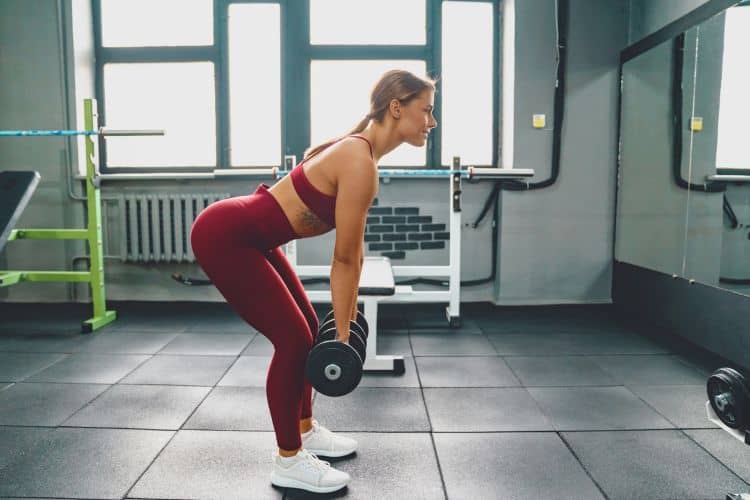


A 45-minute shoulder workout is the perfect balance between intensity and volume. It’s long enough to fully train all three heads of the deltoids while still being efficient and realistic for busy women. Whether your goal is sculpted shoulders, improved posture, upper-body strength, or better performance in full-body workouts, dedicating 45 minutes to shoulder training can completely transform how your arms, back, and core look and feel.
This SEO-optimized guide breaks down everything you need to know about building a powerful and effective 45-minute shoulder workout, including anatomy, benefits, programming strategies, exercise selection, sets, reps, tempo, and recovery. You’ll also learn how to adjust this workout for beginners, intermediate lifters, and advanced athletes.
Many women either rush through shoulder training or overcomplicate it with too many random exercises. A 45-minute workout allows you to train shoulders with purpose, structure, and enough volume to stimulate muscle growth without overtraining.
Shoulders respond best to controlled resistance, time under tension, and proper rest intervals. In a 45-minute session, you can include compound lifts for strength, isolation movements for shape, and stability work for joint health.
A well-designed shoulder workout also supports better posture, enhances upper-body definition, and improves performance in push-ups, pull-ups, overhead presses, and full-body circuits.
Before jumping into the workout, it’s important to understand the muscles involved.
Anterior deltoid (front shoulder)
This muscle assists in pressing, lifting, and forward arm movements. It’s heavily involved in overhead presses, front raises, and chest exercises.
Lateral deltoid (side shoulder)
This is the muscle responsible for shoulder width and that “capped” look. Lateral raises are the key movement here.
Posterior deltoid (rear shoulder)
Often neglected, the rear delts support posture, shoulder stability, and upper-back strength. Rear delt flyes and face-pull-style movements target this area.
A balanced 45-minute shoulder workout trains all three heads to avoid muscular imbalances and shoulder discomfort.
A consistent shoulder routine delivers benefits far beyond aesthetics.
Strong shoulders support nearly every upper-body movement, from lifting groceries to advanced gym exercises.
Rear-delt and upper-back activation counteract rounded shoulders caused by long hours of sitting.
Shoulder workouts burn calories efficiently, especially when combined with compound lifts and short rest periods.
Defined shoulders make arms appear leaner and more toned, even without heavy bicep or tricep isolation.
This workout can be adapted based on the equipment you have available.
You don’t need all of these at once. Dumbbells alone are enough to build strong, sculpted shoulders.
An effective session follows a clear structure:
This structure ensures joint safety, progressive overload, and complete muscle activation.
Never skip the warm-up. Shoulders are complex joints that require mobility and activation.
Start with light movements to increase blood flow and prepare the rotator cuff.
Perform:
Keep the warm-up controlled and pain-free.
Below is a structured 45-minute shoulder workout designed for strength, tone, and muscle definition.
This is the foundation of shoulder strength.
Perform 3–4 sets of controlled repetitions using dumbbells or a barbell. Focus on pressing upward while keeping your core tight and ribs down.
This movement primarily targets the front delts while engaging the lateral delts and triceps.
Rest 60–90 seconds between sets.
This movement adds thickness and strength to the shoulders when performed with proper form.
Lift the weight smoothly, keeping elbows higher than wrists and stopping around chest height. Avoid excessive range of motion.
Perform 3 sets with moderate weight and controlled tempo.
Rest 60 seconds.
Lateral raises are essential for building shoulder width.
Use lighter weights and strict form. Raise the arms to shoulder height with a slight bend in the elbows, focusing on the side delts.
Perform 3–4 sets with higher repetitions and shorter rest periods.
Front raises isolate the anterior delts and improve shoulder control.
Lift one or two dumbbells forward with slow, controlled motion. Avoid swinging or leaning back.
Perform 3 sets with moderate reps.
This exercise is critical for shoulder balance and posture.
Hinge slightly at the hips and lift the arms out to the sides with palms facing inward or down. Focus on squeezing the shoulder blades.
Perform 3 sets with light to moderate resistance.
Using light dumbbells, press halfway up and pulse for controlled repetitions. This creates intense time under tension.
Hold the dumbbells at shoulder height for time. This finisher challenges muscular endurance and stability.
Finish with light, continuous movement to flush the muscles and increase metabolic stress.
Rest periods play a major role in workout effectiveness.
Use a slow tempo on raises and controlled presses to maximize muscle engagement.
Reduce the number of sets and use lighter weights. Focus on learning proper form before increasing load.
Follow the workout as written, gradually increasing resistance over time.
Add drop sets, slow negatives, or extended time under tension to increase intensity without extending workout length.
For most women, training shoulders 1–2 times per week is ideal.
If you include pressing movements in full-body or upper-body workouts, one dedicated shoulder session per week is enough. If shoulders are a priority, two focused sessions with adequate recovery work well.
Proper technique is more important than lifting heavy when it comes to shoulders.
Recovery is just as important as training.
After your workout:
Adequate sleep, hydration, and balanced nutrition support muscle recovery and growth.
To see results from your 45-minute shoulder workout, nutrition matters.
Consistent training combined with proper nutrition leads to visible shoulder definition and strength gains.
Yes. This entire shoulder workout can be performed at home using dumbbells, resistance bands, or weight plates. The key is focusing on form, control, and progressive overload rather than heavy gym equipment.
A 45-minute shoulder workout provides enough time to build strength, improve muscle definition, and enhance overall upper-body performance without feeling overwhelming. By training all three heads of the deltoids, maintaining proper form, and using smart programming, you’ll create balanced, strong, and sculpted shoulders.
Consistency is the real secret. Perform this workout regularly, challenge yourself gradually, and pair it with smart recovery and nutrition. Over time, you’ll notice stronger presses, better posture, and confident, defined shoulders that support every workout you do.
To get even more out of your 45-minute shoulder workout, be sure to explore additional resources on WomensFitClub.com that complement your routine: check out our guide on the Best Workout for Shoulders to Build Size and Strength for exercise ideas that target all three deltoid heads, or add core-stability elements like Plank Shoulder Taps to enhance upper-body control. For a well-rounded fitness week, mix in a 30-Minute Dumbbell HIIT Workout for Toned Upper Body that also tones shoulders and arms, and don’t miss our 45-Minute HIIT Arm Workout for high-intensity shoulder and arm conditioning. Finally, explore our broader Workouts Hub for more routines that help you build strength, torch calories, and stay motivated throughout your fitness journey.
Stay up to date on the latest women’s health, fitness and lifestyle trends and tips.
