


Sign up for workout ideas, training advice, reviews of the latest gear and more.


A 45-minute weight lifting dumbbell workout is one of the most practical and results-driven ways to build strength, improve muscle tone, and enhance overall fitness. Dumbbells offer unmatched versatility, making them ideal for both home and gym workouts. With the right structure, this type of session allows you to train your entire body efficiently while maintaining proper intensity and recovery.
This SEO-optimized guide explains how to design and perform a complete 45-minute dumbbell workout, why this time frame works so well, and how to adapt it for different fitness levels. You’ll also learn how to apply progressive overload, select appropriate weights, and recover effectively so you continue seeing results over time.
A 45-minute workout strikes the perfect balance between volume and efficiency. It provides enough time to train all major muscle groups thoroughly without unnecessary fatigue. Shorter workouts can feel rushed, while longer sessions may reduce intensity and increase burnout.
Dumbbells are particularly effective because they allow a natural range of motion and require each side of the body to work independently. This improves muscle balance, coordination, and joint stability. Unlike machines, dumbbells engage stabilizing muscles, making each repetition more productive.
This workout length also supports consistency. It’s realistic for busy schedules and sustainable long term, which is essential for strength and body composition goals.
This workout format is suitable for beginners, intermediate lifters, and advanced trainees. Beginners can start with lighter weights and fewer sets, focusing on form and control. Intermediate and advanced lifters can increase load, volume, or intensity to continue progressing.
It’s especially effective for women seeking full-body strength, muscle tone, and metabolic benefits without spending hours in the gym. Whether your goal is fat loss, muscle building, or general fitness, this workout can be adapted to match your needs.
An effective 45-minute dumbbell session should be divided into four key sections: warm-up, compound strength training, accessory work, and a short finisher. Each phase plays an important role in performance and results.
A proper warm-up increases blood flow, improves mobility, and activates the muscles you’ll use during the workout. This reduces injury risk and enhances strength output.
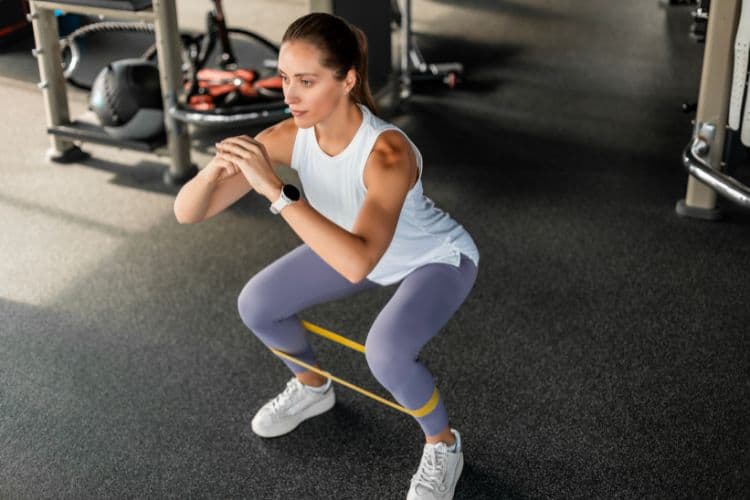
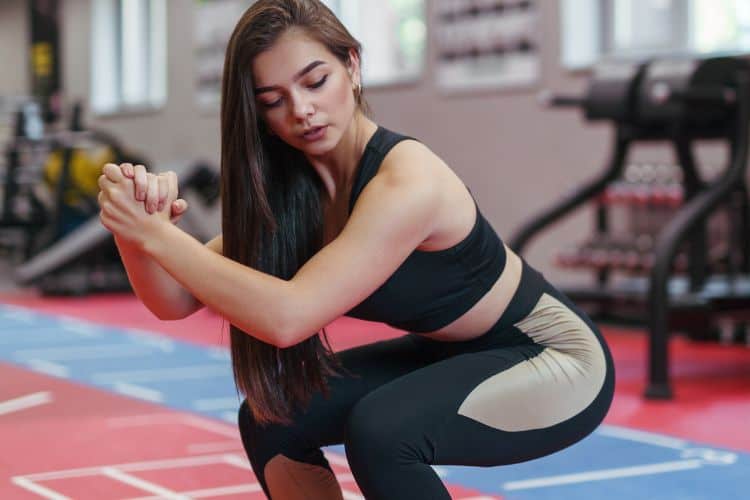
Use dynamic movements such as bodyweight squats, hip hinges, arm circles, lunges, and light dumbbell rows. Focus on controlled movement rather than speed.
This full-body routine targets all major muscle groups. Choose weights that feel challenging during the final few repetitions of each set while maintaining proper form.
Lower body exercises recruit large muscle groups and set the foundation for strength and calorie burn.
Hold dumbbells at your sides or at shoulder level. Lower into a squat while keeping your chest upright and core engaged. Push through your heels to stand.
This movement targets the quadriceps, glutes, and core while improving overall lower-body strength.
Step one foot backward into a lunge, lowering both knees until they reach about 90 degrees. Push through the front heel to return to standing and switch sides.
Reverse lunges are joint-friendly and effective for building glute and leg strength.
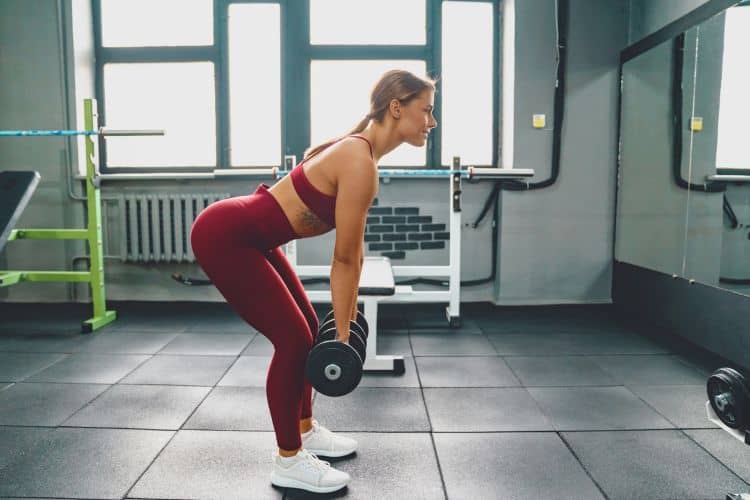
Hold dumbbells in front of your thighs. Hinge at the hips, lowering the weights while maintaining a neutral spine. Squeeze the glutes to return to standing.
This exercise strengthens the hamstrings, glutes, and lower back while improving posture and hip mobility.
Push movements develop the chest, shoulders, and triceps and help balance upper-body strength.
Lie on a bench or mat with dumbbells at chest height. Press the weights upward until your arms are extended, then lower with control.
This exercise builds upper-body strength and allows for a greater range of motion than traditional barbell presses.
From a seated or standing position, hold dumbbells at shoulder height and press overhead. Lower slowly while keeping your core tight.
This movement strengthens the shoulders and improves overhead stability.
Pull exercises are essential for posture, shoulder health, and balanced strength.
Hinge at the hips with a flat back. Pull the dumbbells toward your waist, squeezing your shoulder blades together at the top.
Rows strengthen the upper back, lats, and biceps while counteracting poor posture.
Support one knee and hand on a bench while rowing a dumbbell with the opposite arm. Switch sides after each set.
This unilateral movement helps correct muscle imbalances and increases core engagement.
Core work improves balance, protects the spine, and enhances performance in compound lifts.
Sit with knees bent, holding one dumbbell. Rotate your torso from side to side while keeping your core tight.
Lie on your back holding light dumbbells overhead. Slowly lower the opposite arm and leg while maintaining a stable core.
These exercises build deep core strength and improve coordination.
End the workout with a short finisher to elevate heart rate and increase calorie burn.
Combine movements such as dumbbell thrusters, goblet squats, renegade rows, or dumbbell swings. Perform each exercise for 30–40 seconds with minimal rest between movements.
This finisher enhances cardiovascular fitness while reinforcing strength under fatigue.
Selecting appropriate weights is critical for progress. The last few repetitions of each set should feel challenging but controlled. If you can complete all reps easily, increase the weight. If your form breaks down early, reduce the load.
Using multiple dumbbell sizes allows you to adjust weight depending on the exercise and muscle group.
Progressive overload is essential for long-term results. This can be achieved by increasing weight, adding repetitions, increasing sets, slowing tempo, or reducing rest time.
Tracking your workouts helps ensure consistent improvement. Aim to progress gradually to avoid plateaus and reduce injury risk.
This training style improves muscle tone, bone density, and metabolic health. It supports fat loss by increasing calorie burn and lean muscle mass. Dumbbell workouts also enhance balance, coordination, and functional strength.
Strength training has mental benefits as well, including improved confidence, reduced stress, and better overall well-being.
Cooling down helps reduce muscle soreness and supports recovery. Spend a few minutes stretching major muscle groups and practicing deep breathing.
Adequate hydration, protein intake, and quality sleep are essential for muscle repair and performance improvement.
A full-body dumbbell workout can be performed three to four times per week, depending on recovery. Allow at least one rest day between intense sessions. On off days, light cardio or mobility work can support recovery.
Consistency is key. Even two sessions per week can produce noticeable strength gains over time.
A 45-minute weight lifting dumbbell workout is an efficient, scalable, and highly effective way to build strength and improve overall fitness. By combining compound movements, accessory exercises, core training, and a short finisher, you can achieve full-body results without unnecessary complexity.
With proper form, progressive overload, and consistent effort, this workout format can support long-term strength, muscle tone, and confidence—whether you train at home or in the gym.
If you’d like, I can also create a printable workout plan, weekly training split, beginner or advanced variations, or an internal-link paragraph tailored specifically for Women’s Fit Club—just let me know.
For women looking to enhance strength and sculpt lean muscle in just 45 minutes, this dumbbell workout pairs perfectly with other effective routines available on Women’s Fit Club. If you enjoy structured sessions, check out our 3-Day Dumbbell Workout Plan: 30-Minute Full Body Training Guide for balanced weekly strength programming. Beginners can build confidence with our Dumbbell Workout for Beginners: Get Strong and Toned routine, while those pressed for time might supplement with shorter sessions like the 20-Minute Dumbbell Arm Workout Routine for Lean, Toned Arms. To focus on targeted muscle growth, explore the 45 Minute Bicep Dumbbell Workout for Bigger Stronger Arms, or mix in dynamic variations such as the 35 Minute Dumbbell Workout Split for Home Strength Training to vary your training stimulus and avoid plateaus.
Stay up to date on the latest women’s health, fitness and lifestyle trends and tips.
