


Sign up for workout ideas, training advice, reviews of the latest gear and more.

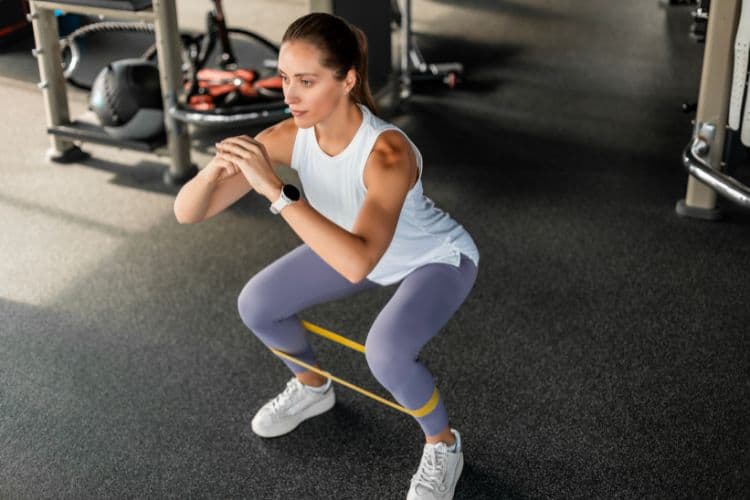
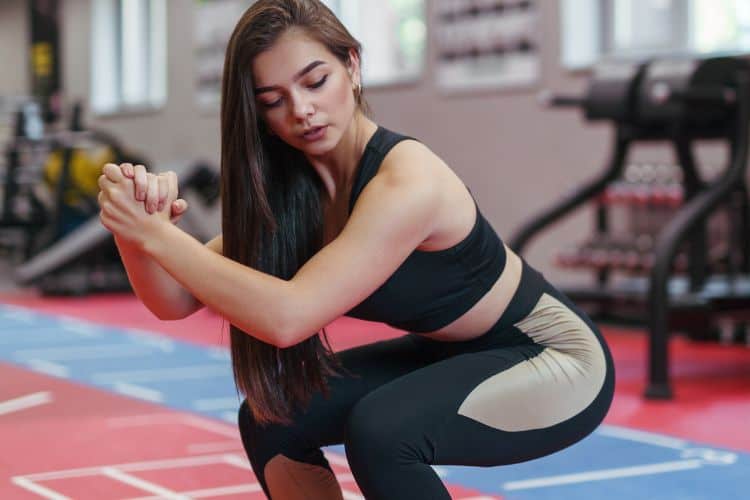
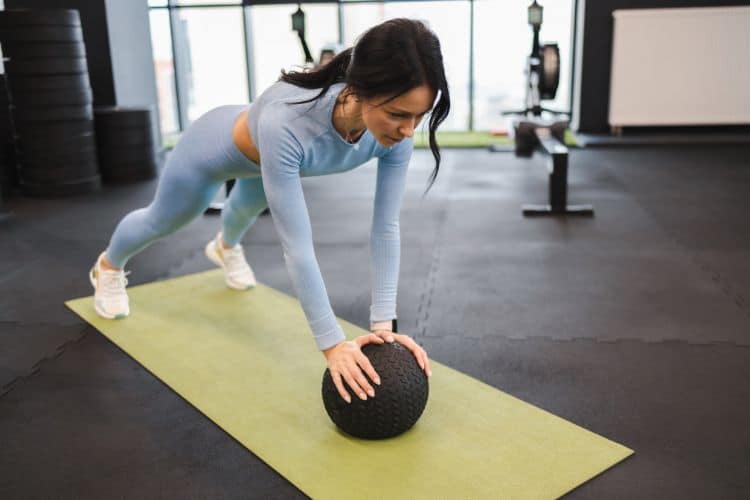
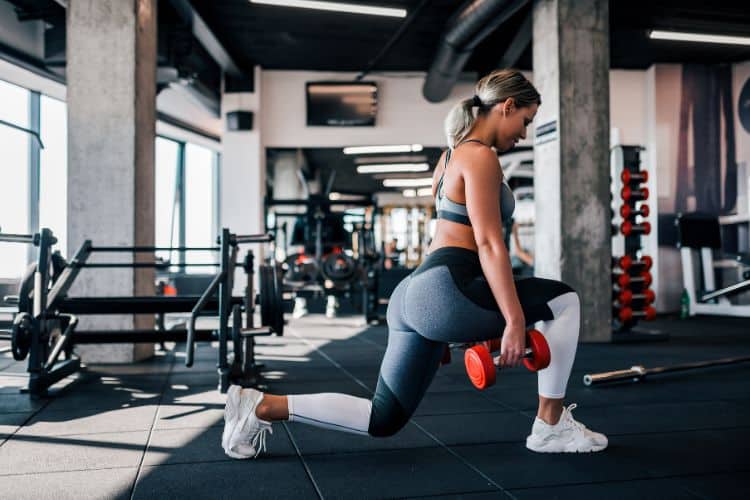
When time is tight but you still want real results, a 5 minute full body workout with dumbbells can be one of the most powerful tools in your fitness routine. Short workouts are no longer seen as “not enough.” Research and real-world experience show that brief, focused strength sessions can build muscle, boost metabolism, and improve overall fitness when programmed correctly.
This guide breaks down how to get the most out of a 5-minute dumbbell workout, why it works, who it’s best for, and exactly how to structure it so every second counts. Whether you’re a beginner, a busy professional, or someone stacking short workouts throughout the day, this routine proves that consistency beats duration.
A common misconception in fitness is that longer workouts are always better. In reality, intensity, exercise selection, and consistency matter far more than total time.
A well-designed 5 minute full body dumbbell workout focuses on:
Because dumbbells add external resistance, even short sessions can stimulate muscle fibers, improve coordination, and increase calorie burn.
Short workouts rely on:
When these elements are combined, your body responds by strengthening muscles and increasing post-workout calorie burn, often referred to as the “afterburn effect.”
Dumbbell exercises recruit stabilizing muscles along with prime movers, allowing you to train legs, glutes, core, chest, back, shoulders, and arms in just minutes.
Short, intense sessions can elevate heart rate and metabolic output, making them ideal for fat loss and energy improvement.
This workout fits easily into:
By adjusting weight, tempo, and range of motion, the same workout can be beginner-friendly or extremely challenging.
This style of training is ideal for:
It’s also a great warm-up or finisher when added to longer strength or cardio sessions.
You only need:
Choosing the Right Weight
If you only have one dumbbell, the workout can still be performed effectively.
The key is continuous movement with minimal rest.
This keeps intensity high while allowing just enough time to change exercises safely.
Muscles worked: Legs, glutes, shoulders, core
Hold dumbbells at shoulder height, lower into a squat, then drive up and press overhead. This compound move delivers maximum full-body engagement in minimal time.
Tip: Keep your core braced and chest upright throughout the movement.
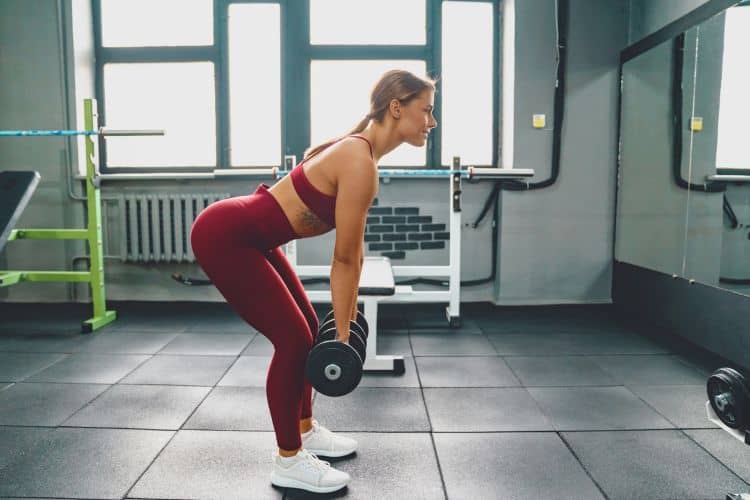
Muscles worked: Back, biceps, core
Hinge at the hips, keep your back flat, and pull the dumbbells toward your ribs. This strengthens posture muscles often neglected in short workouts.
Tip: Squeeze your shoulder blades together at the top.
Muscles worked: Glutes, quads, hamstrings, core
Step one foot back into a lunge while holding dumbbells at your sides. Alternate legs with control.
Tip: Step back instead of forward to reduce knee stress.
Muscles worked: Chest, triceps, shoulders
Press dumbbells upward while lying on the floor or standing with a slight knee bend.
Tip: Lower slowly to increase time under tension.
Muscles worked: Hamstrings, glutes, lower back
Hinge at the hips with a neutral spine, lowering dumbbells along your legs, then squeeze your glutes to stand tall.
Tip: Think “hips back” rather than “bend over.”
By the end of five minutes:
If it feels too easy, increase:
If it feels too hard, slow the tempo or reduce weight.
Speed without control reduces effectiveness and increases injury risk.
If the last 10 seconds of each exercise feel easy, the weight is likely too light.
Focus on steady breathing to support core stability and endurance.
You can safely perform this workout:
Because the duration is short, recovery demands are low when form is maintained.
To continue seeing results, apply simple progressions:
Progression ensures your body keeps adapting even with short workouts.
Yes, especially when combined with:
While no workout alone guarantees weight loss, short strength sessions contribute to lean muscle retention, which supports long-term fat loss.
Beginners should:
Consistency matters more than intensity in the early stages.
This workout style is excellent for women over 40 because it:
Strength training, even in short sessions, is one of the most effective tools for maintaining metabolism as we age.
Yes. Muscle growth depends on:
While longer workouts allow more volume, short sessions can still stimulate muscle when intensity is high and movements are well chosen.
This approach builds consistency without burnout.
A 5 minute full body workout with dumbbells proves that you don’t need long gym sessions to get stronger, leaner, and more energized. When time is limited, focused strength training can deliver impressive benefits—especially when done consistently.
If you’ve ever skipped a workout because you “didn’t have enough time,” this routine removes that barrier completely. Five minutes is manageable, repeatable, and powerful.
The most effective workout is the one you actually do—and this one fits into any schedule.
For women looking to expand their strength-training routine beyond a quick 5 minute full body dumbbell workout, there are plenty of ways to build on that foundation. Pair your session with a more comprehensive guide like The Best Fat Burning Dumbbell Workout For Women to ignite fat loss and sculpt lean muscle, or choose the 15 Minute Dumbbell Workout for Full Body Strength when you have a bit more time. Beginners can start safely with moves from the Dumbbell Workout For Beginners: Get Strong and Toned, while those seeking a slightly longer challenge might enjoy the Full Body 20 Minute Dumbbell Workout for Beginners. For a structured progression plan, check out the 4 Week Dumbbell Workout Plan Sculpt Your Body With Strength that outlines workouts over several weeks for consistent strength and fat-loss gains.
Stay up to date on the latest women’s health, fitness and lifestyle trends and tips.
