


Sign up for workout ideas, training advice, reviews of the latest gear and more.

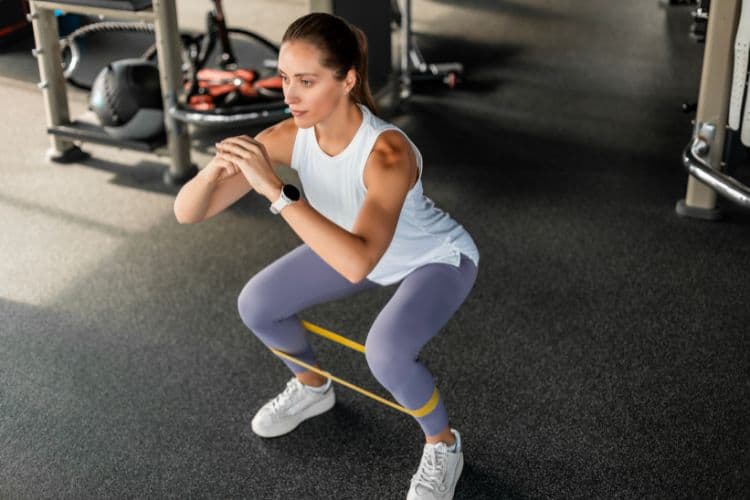
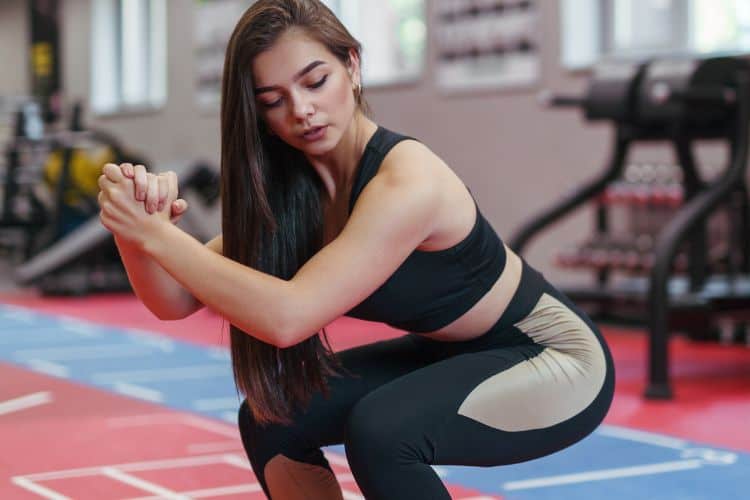
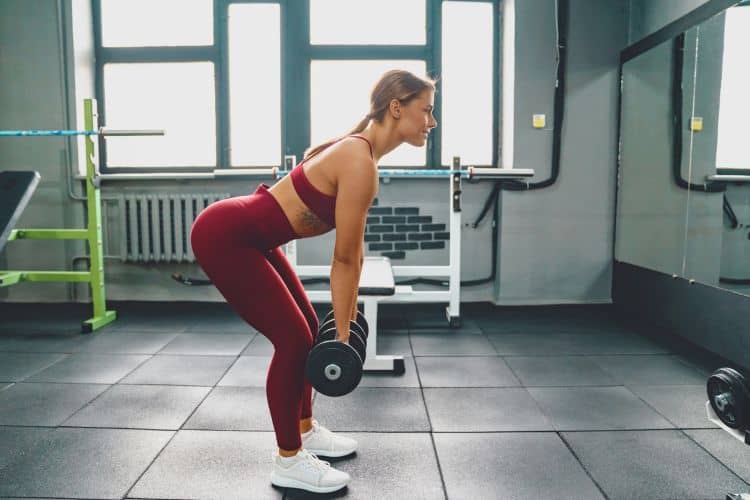
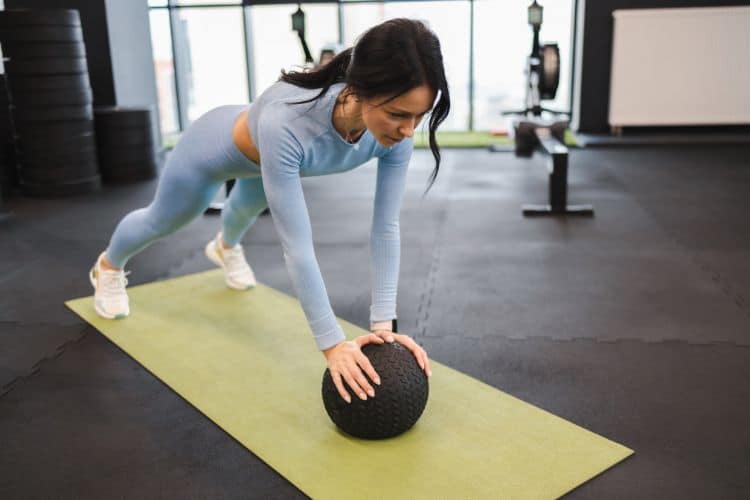
Starting a strength routine doesn’t have to mean joining a gym or lifting heavy weights. A beginner calisthenics strength workout uses nothing more than your own bodyweight to help you build muscle, improve mobility, and develop real-world functional strength — all from the comfort of your home.
Calisthenics is one of the most accessible and sustainable ways to train. Whether your goal is to get stronger, tone your body, lose fat, or simply move better, bodyweight training lays a powerful foundation. For beginners, it’s especially effective because exercises can be easily scaled to match your current fitness level.
In this guide, you’ll learn exactly what calisthenics is, why it’s perfect for beginners, and how to follow a simple full-body strength routine that grows with you over time.
Calisthenics is a form of resistance training that relies on bodyweight movements like squats, push-ups, lunges, planks, and rows. Instead of external weights, your body provides the resistance.
Unlike traditional gym workouts that isolate single muscles, calisthenics emphasizes compound movements. These exercises recruit multiple muscle groups at once, helping you build coordinated strength, stability, and balance.
For beginners, this approach is ideal because:
Calisthenics teaches you how to control your body in space — a skill that carries over into everyday life and every other type of training.
Before jumping into the routine, it’s helpful to understand why calisthenics is such a powerful starting point.
Bodyweight exercises create enough resistance to stimulate muscle growth, especially when you focus on slow, controlled reps and proper form.
Nearly every calisthenics movement requires core engagement. Over time, this leads to better posture, balance, and spinal support.
Because calisthenics uses full ranges of motion, your joints learn to move freely while staying stable.
Full-body bodyweight workouts elevate your heart rate while strengthening muscle, making them excellent for calorie burning and body recomposition.
No gym? No problem. A small open space is all you need.
This routine is designed for:
If you can stand, squat, push, and hold your body weight, you can start calisthenics.
For most beginners, 3–4 full-body sessions per week works best.
This gives your muscles time to recover while allowing consistent practice of fundamental movements.
A simple weekly structure might look like:
On rest days, light walking or gentle stretching is encouraged.
This workout focuses on the five essential movement patterns:
Perform each exercise with control. Rest 45–75 seconds between sets.
Start every session with:
The goal is to raise your heart rate and prepare your joints.
3 sets of 10–15 reps
Targets: quads, glutes, hamstrings, core
Keep your chest tall and push through your heels as you stand.
3 sets of 8–12 reps
Targets: chest, shoulders, triceps, core
The higher your hands, the easier the movement. Lower the incline as you get stronger.
3 sets of 8–10 reps per leg
Targets: glutes, quads, hamstrings
Step backward to reduce knee stress and improve balance.
3 sets of 12–15 reps
Targets: glutes, hamstrings, lower back
Squeeze your glutes at the top and avoid arching your spine.
3 sets of 20–40 seconds
Targets: core, shoulders, glutes
Maintain a straight line from head to heels while breathing steadily.
If you have access to a sturdy table, rings, or suspension straps, add:
2–3 sets of 6–10 reps
This strengthens your upper back and balances push-ups.
Finish your workout with:
Cooling down helps reduce soreness and improves recovery.
Progression is what turns workouts into results.
Here are simple ways to advance your calisthenics strength routine:
Once you hit the top of the rep range for all sets, increase reps before changing exercises.
Slow down your reps (3 seconds down, 1 second up) to make movements harder without adding volume.
Lower your push-up incline or hold planks longer.
Move from 2–3 sets to 3–4 sets per exercise.
Small improvements each week compound into major strength gains.
Consistency matters more than intensity when starting out.
Cold muscles don’t perform well and increase injury risk.
Slow, controlled movements build more strength than fast, sloppy reps.
Muscles grow during rest. Allow recovery between sessions.
Everyone starts somewhere. Focus on your own progress.
Your workouts are only part of the equation.
Support your training by:
Even simple improvements in nutrition can dramatically improve results.
Most beginners notice:
Progress depends on consistency, sleep, nutrition, and effort.
Unlike fad workouts, calisthenics builds skills you keep for life. As you get stronger, you can advance to harder variations like decline push-ups, single-leg squats, longer planks, and eventually more advanced bodyweight movements.
You’re not just exercising — you’re learning to master your body.
That’s powerful.
A beginner calisthenics strength workout doesn’t need to be complicated. With just a handful of foundational movements, you can build full-body strength, improve mobility, and gain confidence in your fitness journey.
Train three times per week. Focus on form. Progress gradually.
If you show up consistently, your body will respond.
Start today — your strongest self is built one rep at a time.
As you start your beginner calisthenics strength workout, you might find it helpful to explore additional routines and guides that complement your bodyweight training journey. For foundational programming ideas, check out the 2 Week Bodyweight Workout Plan (No Equipment Needed) which offers a progressive structure perfect for new exercisers. To expand beyond strength with calisthenics-style fat-burning sessions, the 30-Minute Full Body Circuit Workout at Home (No Gym Required) pairs well with your strength-focused sessions. If you’re also working on lower body strength and mobility, the 30-Minute Bodyweight Leg Exercise Workout: for strong toned Legs delivers targeted lower-body movement ideas. For women looking to balance calisthenics with other full-body options, the Best 30-Minute Full Body Cardio Workout You Can Do At Home is a great energy-boosting complement.
Stay up to date on the latest women’s health, fitness and lifestyle trends and tips.
