


Sign up for workout ideas, training advice, reviews of the latest gear and more.

As we age, staying active becomes essential—not only for maintaining a healthy weight but also for supporting mobility, balance, joint strength, heart health, and overall vitality. For women and men over 50, finding a workout routine that is effective, time-efficient, and easy to customize is key. That’s why HIIT (High-Intensity Interval Training) has become one of the most popular exercise methods for older adults. A beginner HIIT workout over 50 can help you burn fat, build muscle, improve cardiovascular endurance, increase bone density, and boost metabolism—all in short, manageable sessions.
This comprehensive guide breaks down the benefits of HIIT for people over 50, teaches you how to structure the workout safely, and provides a complete beginner-friendly HIIT routine you can do at home with little to no equipment.
HIIT stands for High-Intensity Interval Training, a workout style that alternates between short bursts of effort and brief recovery periods. For example, you might perform 30 seconds of brisk marching in place followed by 15 seconds of rest. This simple interval structure makes HIIT time-efficient and scalable for beginners.
Unlike long, continuous cardio sessions, HIIT increases your heart rate quickly and keeps your metabolism elevated for hours afterward. This effect—known as EPOC (Excess Post-Exercise Oxygen Consumption)—helps your body burn more calories even after the workout ends. For individuals over 50 looking to improve fitness without spending an hour at the gym, HIIT offers an ideal solution.
Even better, HIIT is low-impact friendly when modified correctly. You don’t have to jump, run, or perform fast explosive movements. As long as you work at your personal intensity level during the effort intervals, you will gain the benefits safely.
HIIT has been shown to improve cardiovascular endurance and lower blood pressure. Short work periods increase heart rate in a controlled way, making your heart stronger and more efficient.
HIIT workouts often include bodyweight movements like squats, step-outs, and wall push-ups. These exercises strengthen the muscles you use daily for walking, lifting, bending, and maintaining balance.
One of the greatest advantages of HIIT is how efficiently it burns calories in a short amount of time. It also promotes lean muscle mass, which naturally increases metabolism—especially important as metabolism slows after age 50.
Low-impact HIIT improves range of motion and activates stabilizing muscles around the hips, knees, ankles, and spine. This helps reduce stiffness and improve functional movement patterns.
Most HIIT workouts can be completed in 10–20 minutes, making them realistic for anyone with a busy schedule. They also do not require equipment, a gym membership, or advanced fitness skills.
Weight-bearing movements like modified squats and step-backs stimulate bone growth and slow bone loss—an essential benefit for people over 50.
HIIT triggers endorphin release, improves oxygen circulation, and enhances cognitive function, making you feel more energized throughout the day.
Before beginning a new fitness routine, especially HIIT, it’s important to approach training with safety and proper form in mind. Here are key guidelines:
Your warm-up should include gentle dynamic movements to prepare the joints and muscles. Spend 2–3 minutes warming up before increasing intensity.
There’s no requirement for jumps, burpees, or fast sprints. Low-impact exercises—marching, step-outs, slow squats—are easier on the joints.
HIIT is about relative intensity, meaning your “high-intensity” level is unique to you. Work at a pace that feels challenging but safe.
Inhale during the easier part of the movement and exhale during effort phases. Controlling breath keeps oxygen flowing to your muscles.
A 10-minute beginner HIIT workout is a perfect starting point. Increase intervals, duration, or exercise difficulty only when you feel ready.
Finish your session with light stretching to improve flexibility and reduce soreness.
This routine is specifically designed for beginners over 50. All exercises are low-impact, joint-friendly, and easy to modify. Complete the circuit 1–3 times based on your comfort level.
Lift your knees gently, swing your arms, and focus on posture.
Step wide to each side, warming up hips and glutes.
Loosen shoulders with slow controlled forward and backward circles.
Gently rotate hips to improve joint mobility.
A great exercise to raise your heart rate without stressing the joints. Lift your knees while raising your arms overhead or shoulder height. Focus on staying tall and engaging your core.
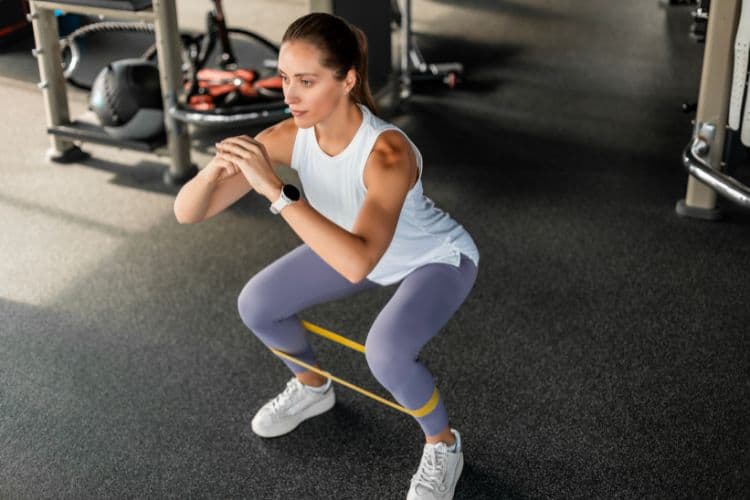
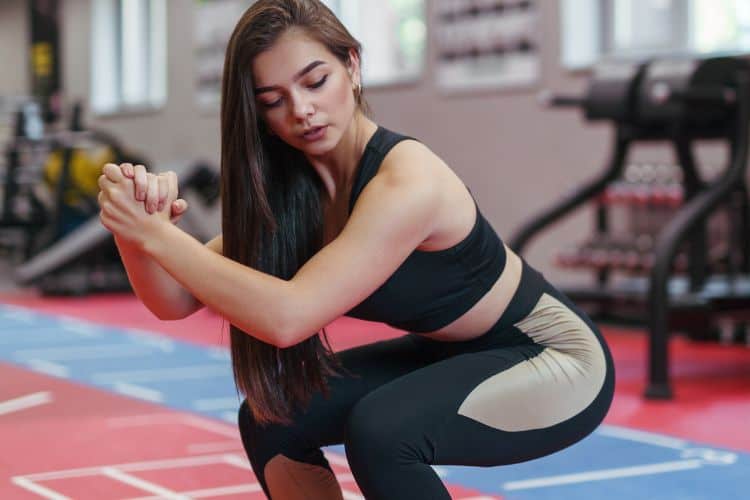
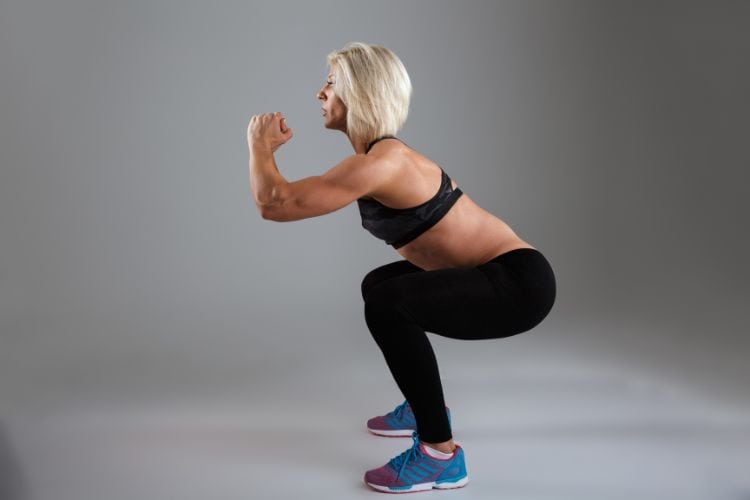
Squats strengthen the glutes, thighs, and hips while improving mobility.
Stand with feet shoulder-width apart. Lower your hips back like sitting in a chair, keeping your chest lifted. Only go as low as comfortable.
Step one foot back and tap the toe lightly behind you while maintaining balance. This movement strengthens the legs and stabilizer muscles.
Wall push-ups build upper body strength with minimal stress on wrists or shoulders.
Stand facing a wall, place palms shoulder-width apart, and lower your body toward the wall with control.
Lift your knee while bringing the opposite elbow down toward it, engaging the core and improving balance.
Step side to side while sweeping your arms forward and back. This raises heart rate gently and enhances shoulder mobility.
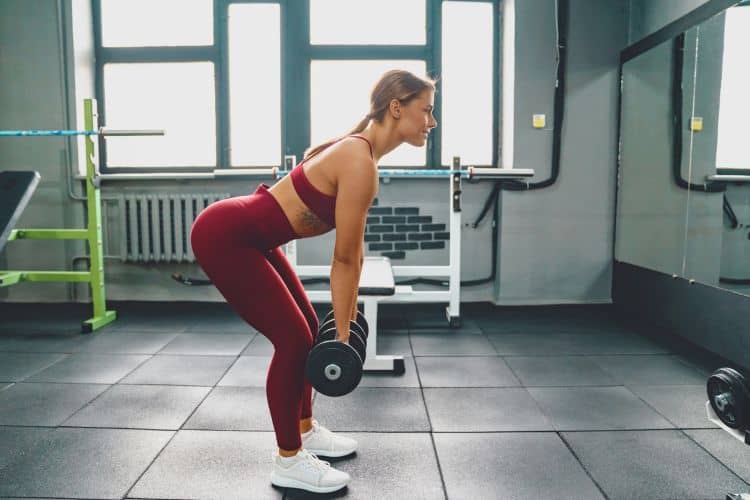
Stand tall with hands on hips. Hinge at the hips with a straight back, then rise slowly. This strengthens the back, glutes, and hamstrings.
Stand with knees slightly bent and alternate punching forward. Keep your core tight and rotate gently through the torso.
Lower one leg forward and bend gently at the hips.
Hold arms wide to open the chest and shoulders.
Gently bring heel to glutes.
Inhale deeply through the nose, exhale through the mouth to relax the body.
If you’re new to HIIT, start with:
As your endurance improves, you may slowly increase time or intensity. Consistency is much more important than pushing too hard at the beginning.
Beginners often try to match advanced routines right away. Progress gradually to avoid injury or burnout.
These phases are essential for protecting joints and ensuring proper recovery.
Even low-impact exercises can cause strain if done incorrectly. Move slowly and focus on technique first.
Muscle fatigue is normal. Sharp pain is not. Listen to your body.
HIIT increases sweat output. Drink water before, during, and after workouts.
HIIT is about your effort level. Only compete with who you were yesterday.
Yes, when modified properly. Low-impact HIIT is recommended for beginners over 50 because it strengthens the heart, improves endurance, and burns fat safely.
No. This routine uses bodyweight only. You can add light dumbbells over time if you want more challenge.
Most people feel more energetic within 1–2 weeks and notice strength and stamina improvements within 30 days with consistent training.
Absolutely. HIIT burns calories quickly and boosts metabolism for hours after training.
Choose modifications like chair-assisted movements, shorter ranges of motion, and slow controlled tempo. Always consult your physician if you’re dealing with chronic pain.
A beginner HIIT workout over 50 is one of the most effective ways to improve strength, heart health, balance, and energy—without spending hours exercising. With low-impact, joint-friendly movements and customizable intervals, HIIT helps older adults build confidence, burn fat, and stay active for life.
The key to success is consistency. Start slow, listen to your body, and progress at your own pace. Over time, you’ll feel stronger, move better, and enjoy the long-lasting benefits of staying active.
At WomensFitClub.com we believe fitness over 50 should be accessible and empowering. If you enjoyed this beginner HIIT workout, you might also like our deeper-dive routine in No-Repeat HIIT: A Full Body Workout in 45 Minutes — perfect for when you’re ready to step up the intensity. For joint health and mobility, check out our 15-Minute Full Body Flexibility Workout Routine (Do It Anywhere) to stay limber and reduce stiffness. When you want to combine fat loss with strength, our Best Way To Lose Weight For Women Over 50 article offers nutrition + exercise guidance tailored to the over-50 crowd. Looking for balanced nutrition to fuel your workouts? The Healthy Meal Plans For Weight Loss post provides delicious, easy-to-follow eating plans. And if you’re curious how to gradually progress strength training without risking injury, explore our Progressive Overload Workout in 30 Minutes (A Full-Body Plan)
Stay up to date on the latest women’s health, fitness and lifestyle trends and tips.
