


Sign up for workout ideas, training advice, reviews of the latest gear and more.


Training your back and biceps together is one of the most effective ways to build a strong, sculpted upper body. These muscle groups work together in almost every pulling movement, which makes them ideal for compound training. Compound exercises recruit multiple muscles and joints at the same time, allowing you to lift heavier weights, stimulate more muscle fibers, and burn more calories than isolation movements alone. Whether your goal is strength, lean muscle, or fat loss, mastering the best back and bicep compound exercises will dramatically improve your results.
In this guide, you will learn exactly which compound movements build the most muscle, how to program them into your workouts, and how to use them for long-term progress.
Compound exercises work multiple muscles simultaneously. When you perform a pull-up, row, or deadlift, your lats, traps, rhomboids, rear delts, and biceps all activate at the same time. This creates a powerful hormonal response, increases calorie burn, and accelerates muscle growth.
Because your biceps assist in every pulling movement, they get significant stimulation during compound back training. This means you can build thick arms while also developing a wide, strong back, saving time and improving workout efficiency.
Compound back and bicep exercises also strengthen your grip, improve posture, and enhance overall functional strength. This carries over into sports, daily activities, and even fat-burning cardio workouts.
Understanding how these muscles work together helps you choose the best exercises.
The back is made up of several key muscles:
The biceps include:
Compound exercises force all of these muscles to work together, which is why they produce faster and more noticeable results.
The deadlift is one of the most powerful compound exercises in existence. Although it is often classified as a lower-body movement, it heavily trains the entire posterior chain, including the lats and biceps.
When you pull the bar from the floor, your lats contract to stabilize the spine and keep the bar close to your body. Your biceps and forearms grip the bar and assist in the pulling motion.
Deadlifts build massive strength, increase muscle density, and improve posture. They are also one of the highest calorie-burning strength exercises you can perform.
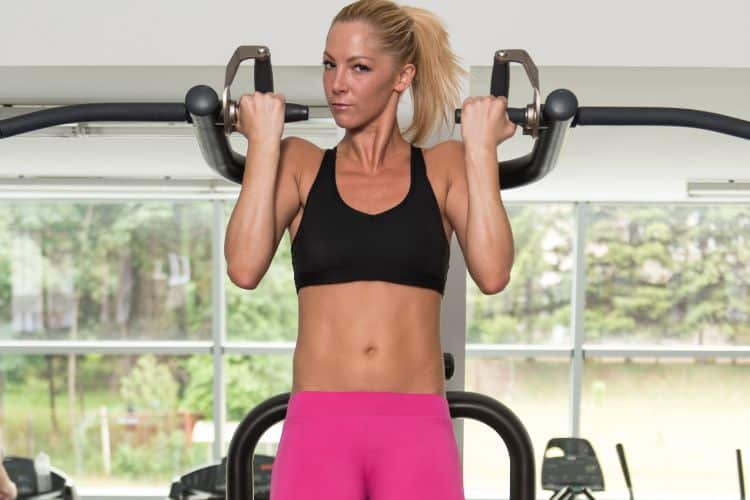
Pull-ups and chin-ups are elite back and bicep compound movements. They require you to pull your entire body weight using your lats, arms, and upper back.
A pull-up with an overhand grip targets the lats and upper back more.
A chin-up with an underhand grip places more emphasis on the biceps.
Both variations build incredible upper-body strength, arm thickness, and back width. If you want a V-shaped torso and strong arms, these movements are essential.
The barbell row is one of the best mass-building exercises for the back and biceps. By pulling a loaded barbell toward your torso, you activate the lats, rhomboids, traps, and biceps simultaneously.
This movement also strengthens the lower back and core, making it a full-body compound exercise. Barbell rows increase back thickness and improve pulling power, which translates directly into bigger biceps.
Dumbbell rows allow you to train each side of your body independently. This helps correct muscle imbalances and increases muscle activation.
Because dumbbells allow a longer range of motion, they place more tension on both the lats and the biceps. They are especially effective for building a detailed, sculpted back and stronger arms.
Lat pulldowns mimic the movement of pull-ups but allow you to adjust resistance. This makes them perfect for beginners or anyone working toward their first unassisted pull-up.
By pulling the bar down toward your chest, your lats and biceps work together to move the weight. Lat pulldowns are excellent for building back width and improving arm strength.
T-bar rows combine the benefits of barbell and dumbbell rows. The angled movement places constant tension on the lats and biceps, while the chest support allows you to focus on muscle contraction rather than balance.
This exercise is a staple for building thick, powerful backs and muscular arms.
Inverted rows are a bodyweight compound exercise that targets the same muscles as pull-ups but with less intensity. They are ideal for beginners or as a finisher for advanced lifters.
Your biceps, lats, and upper back all work together to pull your chest toward the bar, creating both strength and endurance.
A well-designed workout should start with the heaviest compound exercises and finish with lighter movements. This allows you to use maximum strength when you are fresh and avoid injury.
Begin with a large compound lift such as deadlifts or pull-ups. Follow that with rows and pulldowns, then finish with isolation work if needed.
A typical back and bicep compound workout could include:
This structure ensures maximum muscle activation and optimal fatigue management.
To build muscle, you should use a mix of rep ranges.
Lower reps (4–6) with heavier weights build strength and density.
Moderate reps (8–12) create the most muscle growth.
Higher reps (12–20) improve endurance and burn more calories.
By combining all three, you create balanced development in both your back and biceps.
Compound movements burn more calories than isolation exercises because they engage multiple muscle groups at once. When you train your back and biceps with big lifts like deadlifts, pull-ups, and rows, your body burns more energy during and after your workout.
This leads to a higher metabolic rate and increased fat loss. Many women in the Women’s Fit Club community use compound back workouts to create a lean, athletic upper body without bulky arms.
One of the biggest mistakes people make is using momentum instead of muscle. Swinging the weight takes tension off the back and biceps and reduces results.
Another mistake is neglecting grip strength. If your grip fails before your back, you will limit muscle growth. Using straps sparingly while also training your grip helps maintain progress.
Poor posture during rows and pulldowns can also lead to back pain. Keep your chest lifted and shoulders pulled back for safe, effective reps.
To continue building muscle, you must increase the challenge over time. This can be done by adding weight, increasing reps, improving form, or reducing rest time.
Tracking your workouts ensures that you are progressing and not just repeating the same routine week after week.
Women benefit greatly from compound pulling exercises. These movements shape the waist, lift the posture, and create strong, toned arms without adding bulk.
Strong back muscles also help prevent shoulder and neck pain, which is especially important for women who spend long hours sitting or working at a desk.
This routine can be performed two times per week:
Workout
Rest 60 to 90 seconds between sets.
Two sessions per week works best for most people. This allows enough volume for growth while giving your muscles time to recover.
If you are part of a split routine, back and biceps pair well together because they use similar movement patterns.
Back and bicep compound exercises are the foundation of a strong, sculpted upper body. They improve posture, increase calorie burn, and build powerful arms and a wide, athletic back.
By focusing on movements like deadlifts, pull-ups, rows, and pulldowns, you train your body the way it was designed to move. These exercises deliver faster results than isolation training alone and help you look and feel stronger in everyday life.
When you commit to compound training and progressive overload, you will see dramatic improvements in both your back and biceps — and the confidence that comes with a powerful, fit physique.
When sculpting stronger back and biceps, it’s essential to blend powerful compound pulling movements with targeted arm training to maximize growth and definition — and Women’s Fit Club has several routines that perfectly complement this approach. After incorporating heavy lifts like deadlifts and rows, you can follow up with our 30-Minute Bicep Workout for Definition and Strength to dial in arm growth with precision exercises. For more mass-building arm work, check out the 45-Minute Bicep Dumbbell Workout for Bigger, Stronger Arms, which pairs perfectly after a back-focused session. If you want a quick upper body finisher that still targets your arms and muscular endurance, our 20-Minute Upper Body Workout Build Strength and Tone adds well-rounded support. For overall arm conditioning that meets any schedule, the 30-Minute Barbell Bicep Challenge: Build Bigger Arms on a Timer delivers intensity and progression. And if you’re looking for other compound lifts that hit back and biceps as part of a broader routine, explore the Best 30-Minute Upper Body Workout Plan for Strength and Toning for a balanced session that complements your pull-day training.
Stay up to date on the latest women’s health, fitness and lifestyle trends and tips.
