


Sign up for workout ideas, training advice, reviews of the latest gear and more.

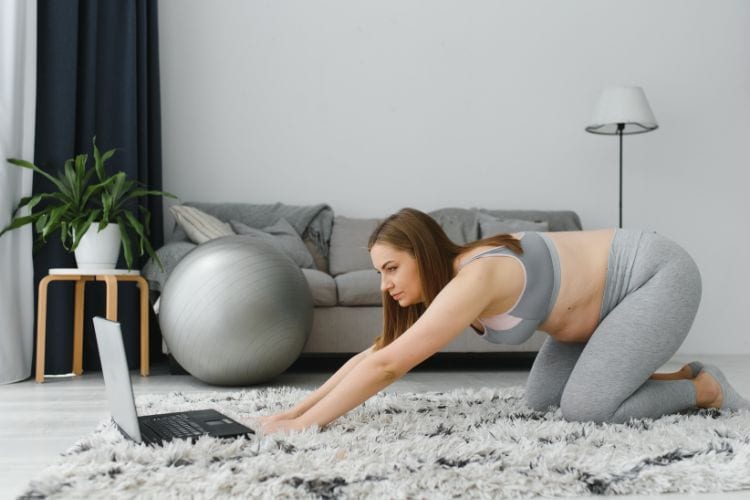
Back pain during pregnancy is extremely common, affecting more than half of expectant mothers at some point. As your body changes to support your growing baby, added weight, posture shifts, hormonal changes, and muscle imbalances can all contribute to discomfort in the lower back, mid-back, hips, and pelvis. The good news is that safe, pregnancy-friendly exercise is one of the most effective ways to relieve and prevent back pain.
This comprehensive guide breaks down the best exercises for back pain during pregnancy, explains why they work, and shows you how to perform them safely at each stage. Whether you’re in your first trimester or nearing delivery, these movements can help reduce tension, improve mobility, strengthen supportive muscles, and help you feel more comfortable throughout pregnancy.
Before diving into exercises, it’s important to understand what causes pregnancy-related back pain so you can address it correctly.
During pregnancy, your body releases the hormone relaxin, which loosens ligaments and joints—especially around the pelvis. While this is essential for childbirth, it also reduces joint stability, placing extra strain on surrounding muscles, particularly in the lower back.
As your belly grows, your center of gravity shifts forward. This often leads to increased arching of the lower back, tightened hip flexors, and weakened abdominal muscles, all of which contribute to discomfort.
Your deep core muscles—including the transverse abdominis—stretch as your uterus expands. When these muscles aren’t properly supported, the lower back compensates, leading to pain and fatigue.
Yes—when done correctly, exercise is not only safe but recommended for most pregnancies. Gentle, controlled movements that focus on posture, core support, mobility, and breathing are ideal.
The following exercises are widely recommended by prenatal fitness specialists and physical therapists. They are low-impact, gentle, and adaptable for all trimesters.
Pelvic tilts strengthen the deep abdominal muscles while gently stretching the lower back. They improve pelvic alignment and reduce pressure on the lumbar spine.
Pelvic tilts are especially helpful for lower back pain and pelvic discomfort, making them one of the most effective prenatal exercises.
This gentle spinal mobility exercise improves circulation, reduces stiffness, and relieves tension throughout the entire back.
Cat-cow is safe in all trimesters and can be done daily for relief.
Seated stretches are excellent during pregnancy because they offer support and reduce balance demands while relieving tight muscles.
This stretch helps relieve tension in the mid-back and lower back, especially after long periods of sitting.
This restorative pose gently stretches the spine, hips, and lower back while promoting relaxation.
This position can significantly reduce back tension and promote calm breathing.
Tight hip flexors pull the pelvis forward, increasing strain on the lower back. Stretching them helps improve posture and alignment.
This stretch is particularly helpful in the second and third trimesters.
Strengthening the hips and glutes provides better pelvic support and reduces compensatory stress on the back.
Strong hips help stabilize the pelvis and ease back discomfort during daily movement.
Prenatal yoga combines gentle stretching, controlled strengthening, and breathing—all essential for managing pregnancy-related back pain.
Even 10–20 minutes of prenatal yoga a few times per week can lead to noticeable improvement in comfort.
Deep breathing activates the core muscles that support your spine. Proper breathing reduces tension and improves stability.
This technique pairs well with gentle movement or stretching.
Not all exercises are pregnancy-safe, especially when back pain is present.
Always prioritize comfort, control, and proper form.
Consistency matters more than intensity.
Short, regular sessions are far more effective than occasional long workouts.
Exercise works best when combined with supportive lifestyle habits.
These habits reduce strain on your back and complement your exercise routine.
While mild to moderate back pain is common, certain symptoms require medical attention.
Your healthcare provider can help rule out conditions that require specialized care.
There is no single “perfect” exercise for pregnancy back pain—the best results come from combining gentle mobility, strengthening, and breathing exercises. Pelvic tilts, cat-cow stretches, seated stretches, hip strengthening, and prenatal yoga all work together to support your changing body.
By practicing these pregnancy-safe exercises consistently and listening to your body, you can significantly reduce discomfort, improve posture, and feel stronger and more confident throughout your pregnancy journey.
If you’re looking for a safe, effective way to manage back pain during pregnancy, movement truly is medicine—when done mindfully and with care.
Pregnancy brings unique challenges to women’s bodies, and finding ways to relieve back pain safely and effectively is essential for expectant mothers. Incorporating gentle movement and strengthening into your routine can make a world of difference; for example, the pelvic tilts and stretches featured in our full-body prenatal workout guide can support a stronger core and reduce discomfort during pregnancy (see Full-Body Dumbbell Pregnancy Workout Plan for Moms-to-Be). For specific back-friendly movements, the Cat-Cow Stretch guide offers detailed tips on how to mobilize the spine and ease tension, which is especially useful when your posture changes in later trimesters. You can also explore Best Exercises For Lower Back Pain on the site to find additional stretches and strengthening moves that complement prenatal back relief. Pairing these with low-impact activity like walking or cycling in the Cardio Workouts During Pregnancy: Complete Trimester Guide can further improve circulation and comfort. Finally, don’t forget to support your overall mobility with the Best Mobility Exercises To Stay Active And Flexible, which helps maintain pain-free movement throughout your pregnancy journey.
Stay up to date on the latest women’s health, fitness and lifestyle trends and tips.
