


Sign up for workout ideas, training advice, reviews of the latest gear and more.

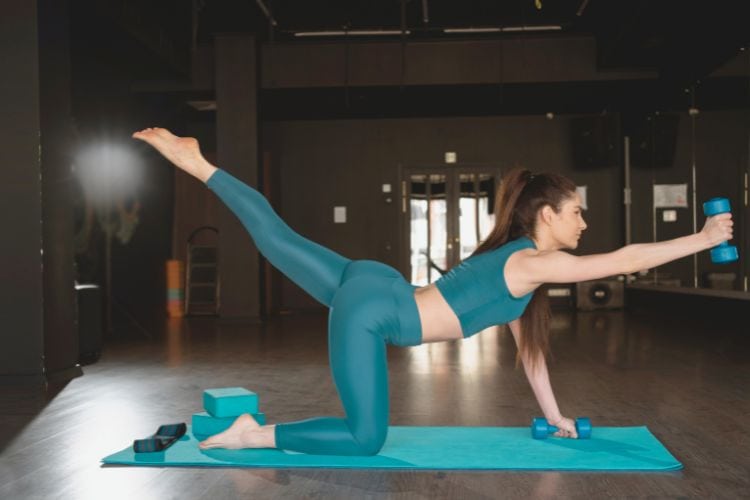
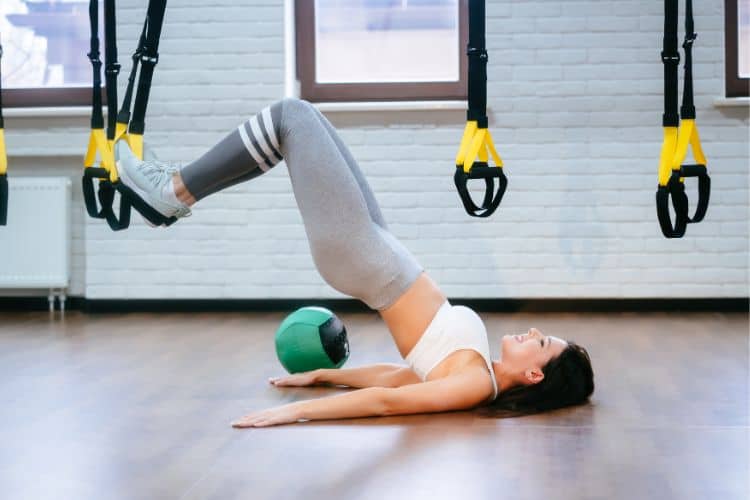


If you’re looking to build a stronger, tighter, and more stable core, isometric ab exercise should be at the top of your workout routine. Unlike traditional dynamic movements such as crunches or sit-ups, isometric exercises involve holding a position under tension, forcing your core muscles to stay engaged for extended periods. This type of training is incredibly effective for improving strength, posture, balance, and overall functional fitness.
In this comprehensive guide, you’ll discover the best isometric ab exercises, how they work, their benefits, and how to structure them into an effective workout routine.
Isometric ab exercises are static holds that require your abdominal muscles to contract without changing length. Instead of moving through a range of motion, you maintain a fixed position, creating constant tension in your core.
This sustained contraction activates multiple muscle groups simultaneously, including:
Because your body must resist movement, isometric exercises are excellent for building core stability and endurance.
Isometric holds force your muscles to work continuously, increasing strength and endurance over time.
Strong core muscles support your spine, helping you maintain proper posture throughout the day.
By stabilizing your spine and pelvis, isometric exercises reduce the risk of injury during workouts and daily activities.
A strong core improves power transfer, balance, and coordination in movements like running, lifting, and jumping.
Isometric exercises are gentle on joints, making them ideal for beginners, older adults, or those recovering from injuries.
Below are the most effective isometric ab exercises you can incorporate into your routine for maximum results.
The forearm plank is the foundation of isometric core training. It targets the entire core while also engaging the shoulders and glutes.
How to do it:
Hold time: 20–60 seconds
Tip: Avoid letting your hips sag or rise too high.
The side plank targets your obliques and improves lateral core strength.
How to do it:
Hold time: 20–45 seconds per side
Tip: Keep your hips lifted and core tight throughout.
This advanced move is excellent for targeting the deep core muscles, especially the transverse abdominis.
How to do it:
Hold time: 15–40 seconds
Tip: If it’s too challenging, bend your knees or keep arms by your sides.
The dead bug hold improves coordination and core stability while protecting your lower back.
How to do it:
Hold time: 10–20 seconds per side
Tip: Keep your lower back pressed into the floor.
Although it primarily targets the glutes, this exercise also engages the core for stabilization.
How to do it:
Hold time: 20–45 seconds
Tip: Squeeze your glutes and keep your core tight.
The L-sit is a challenging isometric exercise that targets your entire core and hip flexors.
How to do it:
Hold time: 10–30 seconds
Tip: Start with bent knees if needed.
While primarily a lower-body exercise, engaging your core during a wall sit enhances abdominal strength.
How to do it:
Hold time: 30–60 seconds
Tip: Keep your back flat against the wall.
Boat pose is a yoga-based isometric hold that strengthens your abs and improves balance.
How to do it:
Hold time: 20–40 seconds
Tip: Keep your chest lifted and spine neutral.
This variation adds instability, forcing your core to work harder to resist rotation.
How to do it:
Hold time: 2–3 seconds per tap
Tip: Keep hips stable and avoid rocking.
To get the most out of these exercises, structure your workout for efficiency and progression.
Proper alignment ensures you’re targeting the right muscles and avoiding injury.
Don’t hold your breath—maintain steady breathing throughout each hold.
Progress by extending your hold time or adding more challenging variations.
Aim to train your core 3–4 times per week for optimal results.
Isometric ab exercises are one of the most effective ways to build a strong, stable, and sculpted core. By incorporating these static holds into your routine, you’ll improve not only your abdominal strength but also your overall fitness performance and posture.
Whether you’re a beginner or advanced, these exercises can be modified to suit your level, making them a versatile and powerful addition to any workout plan.
Start incorporating these best isometric ab exercises today and experience the difference in your strength, stability, and confidence.
To build a stronger, more stable core, it’s important to combine isometric ab exercises with other targeted workouts that challenge your abs from different angles. For a well-rounded routine, explore this guide on Best Core Exercises For Women to strengthen your entire midsection, or add variety with dynamic movements like those found in 30 Minute Full Body Dumbbell Workout (No Bench Needed) and Bodyweight Workout Routine Build Strength and Burn Fat. You can also enhance your results by incorporating stability-focused exercises such as planks, Dead Bug Exercise For Strengthen Your Core, and anti-rotation movements featured across your Core Training Essentials For Women Embrace Your Strength content. Pairing isometric holds with Functional Training A Guide To Boosting Strength And Mobility will help improve posture, balance, and overall strength, giving you a more complete and effective ab workout routine.
Stay up to date on the latest women’s health, fitness and lifestyle trends and tips.
