


Sign up for workout ideas, training advice, reviews of the latest gear and more.

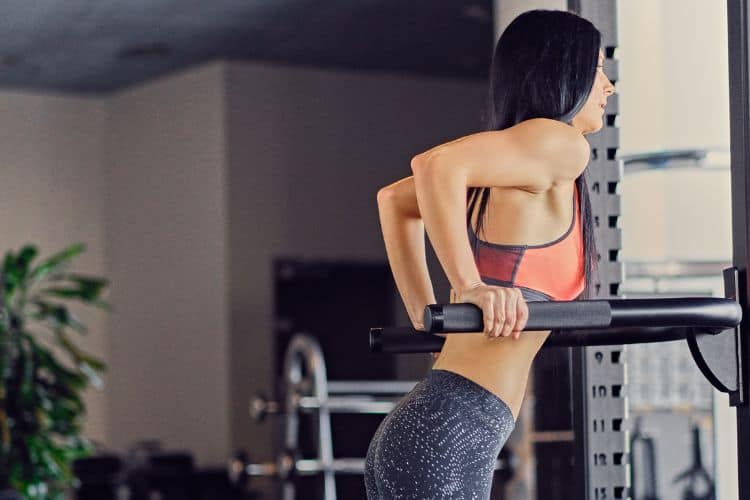
If you’re looking for a powerful upper-body exercise that requires little to no equipment, bodyweight tricep dips workout deserve a top spot in your training routine. This classic movement is one of the most effective ways to strengthen and tone the triceps while also engaging the shoulders, chest, and core. Whether you train at home, outdoors, or in the gym, tricep dips offer a versatile and scalable workout option suitable for beginners and advanced exercisers alike.
In this comprehensive guide, you’ll learn everything you need to know about bodyweight tricep dips: how they work, proper form, variations, workout structures, common mistakes, and how to program them for strength, muscle tone, and endurance. By the end, you’ll be able to confidently build an effective bodyweight tricep dips workout that fits your fitness level and goals.
Bodyweight tricep dips are a compound upper-body exercise where you lower and lift your body using your arms while your hands are placed behind you on a stable surface such as a bench, chair, box, or parallel bars. The movement primarily targets the triceps brachii, the muscle on the back of your upper arm responsible for elbow extension.
Unlike isolation exercises that use dumbbells or machines, tricep dips rely entirely on your body weight as resistance. This makes them accessible, functional, and easy to perform almost anywhere, especially for at-home workouts.
Tricep dips directly target all three heads of the triceps, helping you develop strength, firmness, and arm definition. Strong triceps also improve performance in pushing movements like push-ups and presses.
One of the biggest advantages of bodyweight tricep dips is convenience. A sturdy chair, bench, or couch is all you need, making them ideal for home workouts, travel, or outdoor training.
In addition to the triceps, dips activate the shoulders, chest, and core. This multi-muscle engagement improves overall upper-body strength and stability.
By adjusting leg position, depth, or tempo, tricep dips can be made easier or more challenging. This scalability allows beginners and advanced exercisers to benefit equally.
Tricep dips mimic everyday pushing actions such as getting up from a chair or pushing objects away. Strengthening these muscles supports daily movement and reduces injury risk.
While triceps are the primary movers, several other muscles assist during the exercise:
This combination makes tricep dips an efficient upper-body exercise despite their simplicity.
This shifts stress away from the triceps and onto the shoulders. Keep elbows tracking backward.
Lowering past a comfortable range can place unnecessary strain on the shoulders. Aim for a 90-degree elbow bend.
Shoulders creeping toward the ears can lead to discomfort. Keep them relaxed and pulled back.
Fast, uncontrolled reps reduce effectiveness and increase injury risk. Focus on slow, controlled reps.
Bend your knees and place feet flat on the floor to reduce resistance. This is perfect for beginners or those rebuilding strength.
Extending the legs increases the amount of body weight lifted, making the exercise more challenging.
Place your heels on another chair or bench to increase intensity and demand more strength from the triceps.
Lift one foot off the ground to add instability and increase core engagement.
Using parallel bars allows a greater range of motion and higher resistance, making this variation suitable for advanced training.
Focus on mastering proper form before increasing reps or difficulty. Pair this workout with light stretching for the shoulders and arms.
Complete 3–4 rounds with 60 seconds of rest between rounds. This circuit improves muscular endurance while maintaining strength gains.
Perform 4 rounds with 60–90 seconds rest. This workout emphasizes muscle control, time under tension, and strength development.
For most people, training triceps 2–3 times per week is sufficient. Allow at least one day of rest between sessions targeting the same muscle group to support recovery and muscle growth.
You can include bodyweight tricep dips in:
Adjusting volume and intensity allows tricep dips to align with different fitness goals without changing equipment.
When performed with proper form, bodyweight tricep dips are generally safe for most people. However, individuals with shoulder issues should limit depth and avoid aggressive ranges of motion. Using a controlled tempo and keeping shoulders stable helps reduce strain.
If discomfort occurs, regress to a bent-knee variation or substitute with other tricep-focused exercises until strength improves.
Warming up improves mobility and reduces injury risk, while cooling down aids recovery.
Bodyweight tricep dips combine simplicity, effectiveness, and versatility. They build strong, sculpted arms without requiring equipment, making them ideal for busy schedules and home workouts. With multiple variations and programming options, tricep dips can evolve with your fitness level and remain challenging over time.
Whether your goal is toned arms, improved upper-body strength, or a balanced bodyweight workout, incorporating tricep dips consistently can deliver noticeable results. Focus on proper form, progressive difficulty, and regular practice, and you’ll unlock the full benefits of this classic bodyweight exercise.
Ready to level up your arm training? Add bodyweight tricep dips to your next workout and experience the strength-building power of this simple yet highly effective movement.
Bodyweight tricep dips are a powerful and accessible move for strengthening the back of the arms, improving upper-body definition, and enhancing functional strength — whether you’re working out at home or in the gym. If you want to expand your routine, check out Top Triceps Exercises For Strong Arms for more tricep-focused training ideas and The Best 20‑Minute HIIT Arm Workout for Sculpted Strength that also includes tricep dips in a dynamic circuit. For balanced upper-body development, our Best 30‑Minute Upper Body Workout Plan for Strength and Toning integrates dips with other key moves, while the Best Body Weight Workouts For Women article shows how dips fit into full body sessions. And if you’re interested in no-equipment options, don’t miss Full Body Workout No Weights Needed For Women, which incorporates dips into broader, easily scalable workouts.
Stay up to date on the latest women’s health, fitness and lifestyle trends and tips.
