


Sign up for workout ideas, training advice, reviews of the latest gear and more.

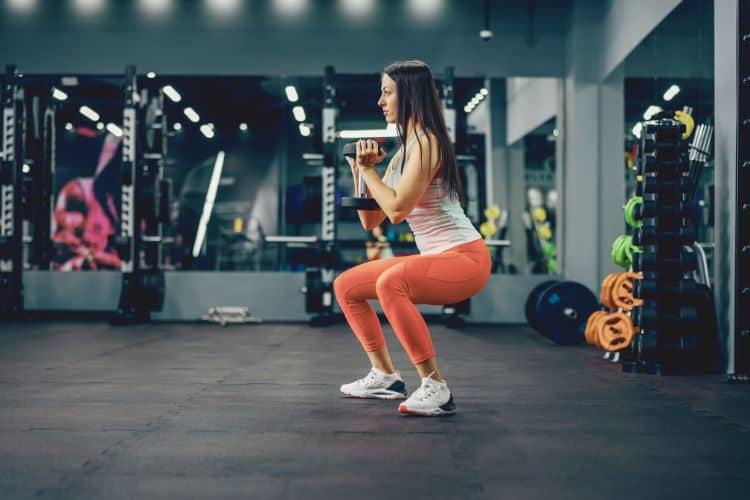
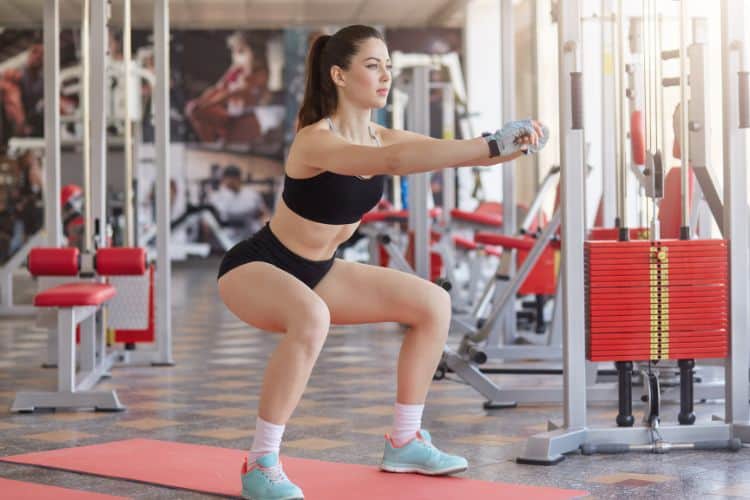
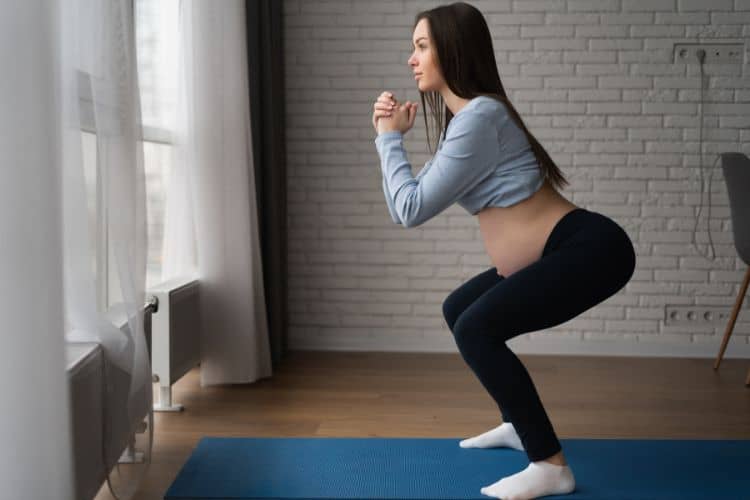
Staying active during pregnancy is one of the most powerful things you can do for your physical health, mental well-being, and overall comfort as your body changes. A bodyweight workout for pregnancy is especially effective because it’s low-impact, adaptable, and doesn’t require equipment—making it ideal for at-home training throughout all three trimesters.
This comprehensive guide covers everything you need to know about prenatal bodyweight workouts, including benefits, safety guidelines, trimester-specific routines, core and pelvic floor considerations, and modifications to support your growing body. Whether you’re new to exercise or continuing an active lifestyle, this pregnancy-safe bodyweight workout plan is designed to help you move confidently and comfortably.
Bodyweight training uses your own body as resistance, allowing you to strengthen muscles, improve mobility, and maintain cardiovascular health without placing excessive strain on your joints. During pregnancy, this style of exercise offers unmatched flexibility and safety.
Unlike heavy weights or high-impact workouts, bodyweight exercises allow you to slow down, focus on form, and modify movements as your balance, energy levels, and range of motion change. You can perform them anywhere, rest as needed, and adjust intensity day by day.
Pregnancy places increased demands on your legs, glutes, back, and core. Bodyweight exercises help maintain functional strength so everyday movements—like standing up, walking, and carrying items—feel easier.
As your center of gravity shifts, posture changes can lead to discomfort. Strengthening the glutes, upper back, and deep core muscles helps support spinal alignment and reduce lower-back strain.
Regular movement promotes blood flow, reduces swelling in the legs and feet, and can help fight pregnancy fatigue—especially when workouts are short and consistent.
Strong legs, hips, and pelvic floor muscles play an important role during labor and postpartum recovery. Bodyweight training improves muscular endurance and body awareness, both of which are valuable during childbirth.
Exercise releases endorphins that can help reduce stress, anxiety, and mood swings. Even gentle bodyweight workouts can significantly improve mental clarity and emotional balance.
Before starting or continuing any workout routine during pregnancy, always consult your healthcare provider—especially if you have medical conditions or pregnancy-related complications.
A proper warm-up prepares your muscles and joints while reducing injury risk.
The goal is to gently increase heart rate and loosen tight areas without fatigue.
During the first trimester, energy levels can fluctuate. Focus on light strength work and mobility, prioritizing form over intensity.
Perform 2–3 rounds
Strengthens glutes, thighs, and pelvic support muscles
10–12 reps
Builds upper-body strength without strain
10–15 reps
Improves hip stability and balance
10 reps per side
Engages deep core muscles safely
20–30 seconds
Strengthens hips and supports posture
10–12 reps per side
Rest as needed between exercises.
The second trimester is often called the “golden trimester” because energy tends to improve. Balance and core support become more important as your belly grows.
Perform 2–3 rounds
Supports leg strength and prepares for daily movement
12–15 reps
Strengthens chest, shoulders, and arms
10–12 reps
Improves lower-body strength while reducing balance stress
8–10 reps per side
Enhances core stability and spinal support
8–10 reps per side
Improves circulation and ankle strength
15–20 reps
In the third trimester, comfort and mobility take priority. Short, gentle workouts help maintain strength without exhaustion.
Perform 1–2 rounds
Maintains leg strength with joint support
10–12 reps
Keeps upper body strong with minimal pressure
10–15 reps
Supports hip stability
8–10 reps per side
Relieves lower-back tension
10–12 reps
Promotes relaxation and oxygen flow
6–8 slow breaths
Core training during pregnancy is not about achieving visible abs—it’s about strengthening the deep muscles that support your spine, pelvis, and growing baby.
Avoid crunches, sit-ups, and intense rotational movements that place pressure on the abdominal wall.
Your pelvic floor supports your uterus, bladder, and bowel, making it essential to include gentle pelvic floor work in your routine.
Integrating pelvic floor awareness into squats, lunges, and breathing exercises can improve control and comfort during labor.
Most pregnant women can safely exercise 3–5 days per week, depending on energy levels and medical guidance.
Sessions can be as short as 15–30 minutes and still provide significant benefits.
Pregnancy is not the time to push through discomfort. Smart modifications allow you to stay active while respecting your body’s needs.
Listening to your body is the most important skill during prenatal training.
Cooling down helps lower your heart rate and reduce muscle tension.
Focus on relaxation and recovery rather than pushing flexibility.
Yes. Bodyweight workouts are ideal for beginners because they’re easy to modify and don’t require equipment.
Light movement can be done daily, but strength workouts should be balanced with rest days.
Yes. Intensity should generally decrease as pregnancy progresses, with greater emphasis on mobility, breathing, and comfort.
A bodyweight workout for pregnancy is one of the safest and most effective ways to stay active, strong, and confident throughout all stages of pregnancy. By focusing on controlled movements, proper breathing, and thoughtful modifications, you can support your changing body while preparing for childbirth and recovery.
Remember, consistency matters more than intensity. Even short, gentle workouts can have a profound impact on your strength, posture, energy levels, and overall well-being. Always listen to your body, consult your healthcare provider, and celebrate what your body is capable of during this incredible journey.
Staying active during pregnancy doesn’t mean skipping strength and mobility work—even simple movements can support comfort and prepare your body for labor and recovery. For expecting moms looking for safe and effective routines, this bodyweight workout guide complements other expert fitness content across Women’s Fit Club. After your prenatal bodyweight session, you might explore “Best Workout Programs For Women” to tailor a broader fitness strategy during and after pregnancy, including pelvic floor and gentle mobility advice. For a well-rounded approach to strength while minimizing impact, check our “Low Intensity Exercises – The Gentle Powerhouse for Women” for ideas on light cardio and flexibility. If you’re balancing strength with time efficiency, the “20-Minute Full Body HIIT Workout with Weight Plates” offers a quick, scalable session you can adapt (especially useful postpartum). For additional at-home routines that require minimal or no equipment, see the “30-Minute Winter Workout for Beginners” for full-body conditioning. Finally, dive into the “Full-Body Dumbbell Pregnancy Workout Plan for Moms-to-Be” for a complementary strength option with light weights if cleared by your provider. Each of these resources can help enhance your pregnancy fitness journey with safe, reliable workouts and tips right here on WomensFitClub.com.
Stay up to date on the latest women’s health, fitness and lifestyle trends and tips.
