


Sign up for workout ideas, training advice, reviews of the latest gear and more.

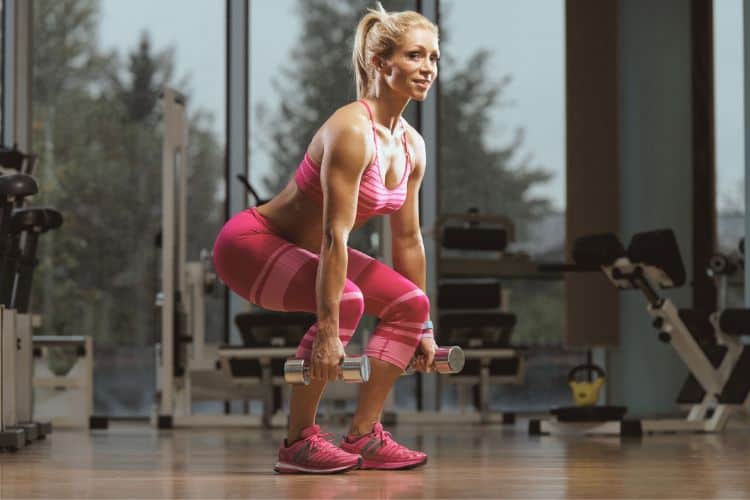
Building muscle doesn’t always require long hours in the gym, complicated equipment, or a lengthy workout schedule. In fact, a strategic 15-minute muscle-building workout can be just as effective—especially for busy women who want results without sacrificing their entire day. With the right intensity, smart exercise selection, and intentional movement patterns, you can stimulate muscle growth, boost metabolism, and strengthen your entire body in a short burst of focused effort. This guide breaks down everything you need to know to build lean muscle quickly and safely in 15 minutes, plus a full routine you can complete at home or in the gym.
Most women assume muscle building requires long sessions, but the truth is that short, high-intensity strength training can be incredibly effective. When you choose compound movements, keep rest periods minimal, and maintain consistent tension on the muscles, you create the perfect environment for strength gains. A short routine can also improve adherence because it’s easier to fit into your day, making it more sustainable over time.
The effectiveness of a 15-minute workout largely comes down to time under tension and exercise efficiency. By engaging several muscle groups at once, these movements trigger a hormonal response that supports muscle repair and growth. The limited time creates urgency, which naturally increases focus and intensity, helping you give maximum effort with minimal distractions. This approach also boosts calorie burn during and after the workout thanks to the metabolic effect of working multiple large muscles in sequence.
Short workouts are also excellent for preventing burnout. Many women struggle with the idea that fitness requires long commitments, but with a short, powerful routine, you can eliminate the mental barrier that keeps you from starting. Knowing you can complete a full strength session in just 15 minutes increases consistency, which is the number one factor in long-term transformation.
To build muscle quickly in a short amount of time, it’s important to focus on four key principles: compound movements, progressive overload, minimal rest, and intensity control.
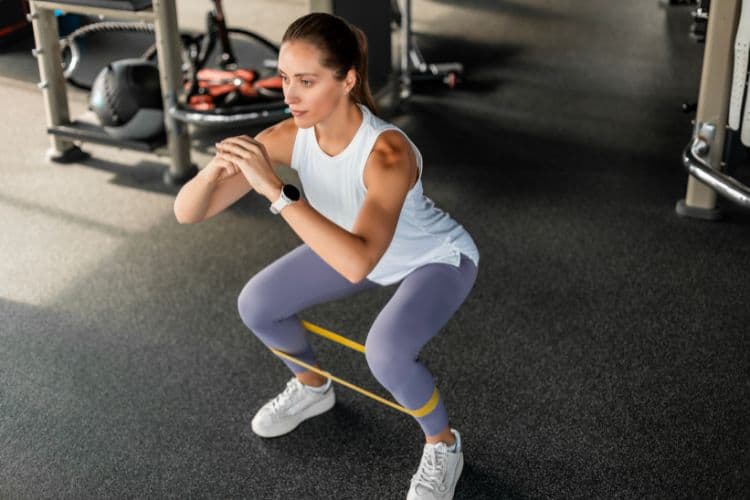
The exercises in this workout target major muscle groups while engaging stabilizers and the core. Movements like squats, rows, and presses recruit multiple muscles at once, making them far more effective than isolation exercises when time is limited. This approach burns more calories, builds more strength, and creates full-body muscle balance.
Even within a short workout window, you can still apply progressive overload by increasing your weights, increasing your reps, reducing rest time, or slowing down your tempo. Each adjustment challenges your muscles in a new way, preventing plateaus and improving strength development over time.
Minimal rest keeps your heart rate up, improves metabolic conditioning, and pushes your muscles harder. Aim for 20–30 seconds between exercises and no more than one minute between rounds. This keeps your workout intense without compromising form.
Muscle growth comes from mechanical tension. When you move with intention—focusing on the stretch, the contraction, and the full range of motion—you maximize that tension. Even with light or moderate weights, controlled reps can significantly increase muscle recruitment.
A brief warm-up increases circulation, lubricates your joints, and enhances mind-muscle connection. Before starting the workout, spend two minutes performing:
Arm circles, cat-cow movements, light bodyweight squats, hip hinges, and core bracing practice. These movements prepare your entire body for the upcoming workload without adding unnecessary time.
This workout is designed to hit every major muscle group—legs, glutes, core, back, chest, arms, and shoulders. It alternates between upper and lower body to keep your heart rate elevated while allowing individual muscle groups brief recovery. Perform each exercise for 45 seconds followed by 15 seconds of transition time. After completing all five moves, rest for one minute and repeat the circuit two more times for a full 15 minutes.
Circuit of 5 exercises × 3 rounds
Work: 45 seconds
Rest: 15 seconds
Rest between rounds: 1 minute
This structure maximizes training density—meaning more work performed in less time—which is a key driver of muscle building and metabolic conditioning.
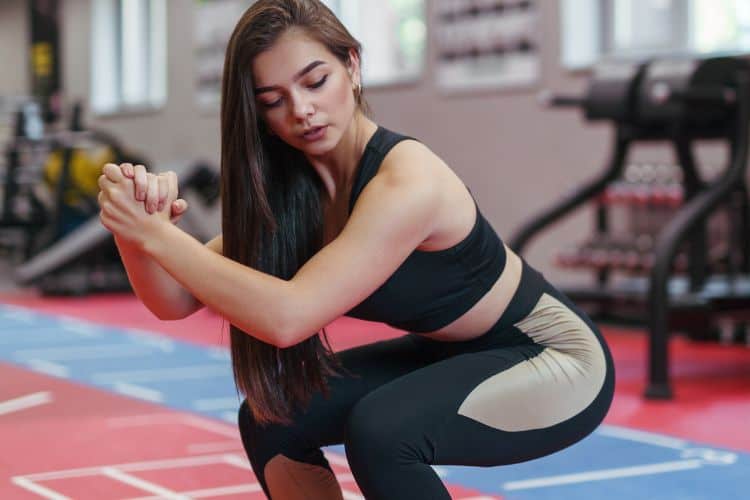
The squat-to-press is one of the most effective full-body muscle builders for women, combining lower-body strength with shoulder stability and core control. Start with dumbbells at shoulder height, perform a deep squat, and press overhead as you stand tall. This move strengthens the entire kinetic chain, accelerates calorie burn, and builds powerful legs and shoulders. It also improves posture and balance due to the core engagement required to stabilize the pressing motion.
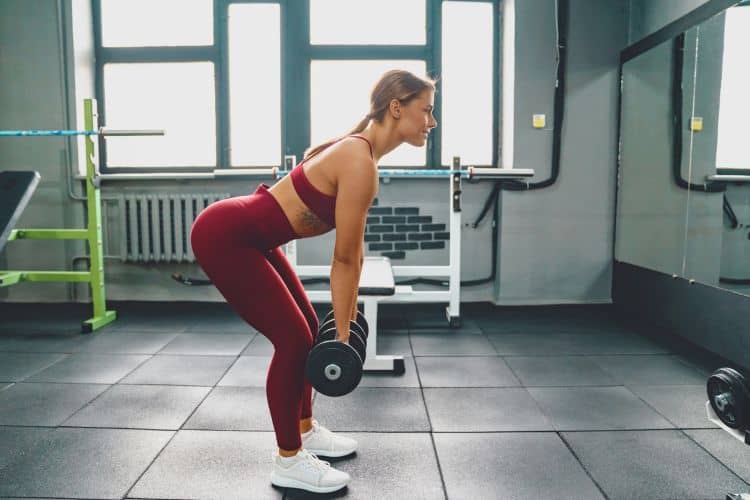
Rows build upper-body strength, essential for posture and functional movement. Hinge at the hips with a neutral spine and pull the dumbbells toward your ribcage with controlled motion. Focus on squeezing your shoulder blades at the top to activate the back muscles and improve muscular definition. Bent-over rows also strengthen your posterior chain, which helps counteract forward-rounded posture common in women who sit often or use phones and screens frequently.
Reverse lunges target your lower body while reducing knee strain compared to forward lunges. They challenge your glutes, improve hip mobility, and build unilateral strength, which is crucial for balance. Holding dumbbells increases resistance, stimulating more muscle fibers. This unilateral exercise helps correct muscle imbalances, improves stability, and shapes your legs with symmetry and precision.
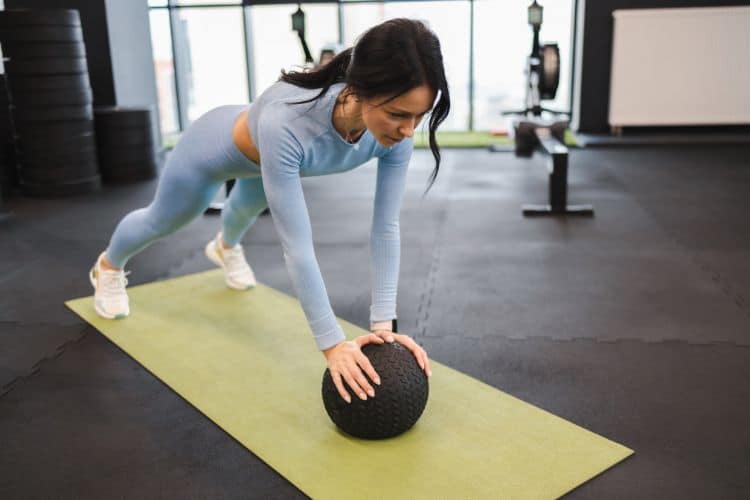
Choose the version that matches your current strength level. Push-ups engage your entire upper body and core, while dumbbell chest presses allow you to focus more on muscle contraction. Both movements build upper-body muscle, improve pressing strength, and create balance between front and back body muscle groups. The controlled tempo in this exercise maximizes chest activation even with lighter weights.
Deadlifts are a powerhouse move for building lower-body and core strength. With a slight knee bend, hinge at your hips and lower the dumbbells along your legs. Keep your spine long and engage your core as you return to standing. This movement enhances full posterior chain development, which is essential for strength, athleticism, and injury prevention. Deadlifts also help lift and tighten the glutes, making them a staple in any strength-focused routine.
Whether you’re a beginner or an experienced lifter, this workout can be easily customized to match your ability and goals.
If you’re just starting your muscle-building journey, choose lighter dumbbells or bodyweight variations. Focus on slow movements, correct posture, and proper technique. Beginners can also reduce the work intervals to 30 seconds and extend rest to 20 seconds to maintain form while still building strength. This creates a strong foundation for progressing into heavier, more intense workouts.
Intermediate lifters can challenge themselves by increasing weight, slowing rep tempo, or adding pauses during the most difficult portion of the exercise. Performing 45-second intervals with consistent reps and minimal rest will help you break plateaus and increase training intensity safely.
Advanced lifters can increase resistance, reduce rest to 10 seconds, or add explosive movements like squat jumps or push-up variations. You can also perform supersets within the circuit or combine tempo work with heavy loads for greater muscle stimulation. Advanced athletes can increase instability challenges, such as single-leg deadlifts or staggered-stance presses, to force greater neuromuscular engagement.
Short, effective strength sessions help activate both slow-twitch and fast-twitch muscle fibers, allowing your body to build lean mass quickly. Lean muscle boosts metabolism, enhances daily movement efficiency, and improves overall body composition.
Strength training increases metabolic rate, meaning you continue burning calories long after your workout ends. This afterburn effect—known as EPOC—helps you build muscle while promoting fat loss.
Compound movements mimic real-life activities like lifting, carrying, bending, and reaching. This improves functional strength, helping women move with confidence, stability, and reduced injury risk.
Strength training supports healthy hormone production, including growth hormone and endorphins. This leads to better energy, improved mood, and enhanced recovery.
A 15-minute routine removes the biggest barrier to fitness: time. Whether you’re a working professional, a mom, or juggling multiple responsibilities, you can always fit in an efficient routine.
Cooling down is essential to help your muscles recover and reduce soreness. Spend 2–3 minutes stretching the major muscles you worked. Gentle stretches for hamstrings, shoulders, hips, and chest improve flexibility and blood flow. Post-workout hydration and protein intake also support recovery and muscle growth.
If you’re doing this workout regularly, consider incorporating rest days and switching between upper body, lower body, and HIIT sessions to keep your training balanced.
This 15-minute muscle-building workout is proof that you don’t need lengthy gym sessions to make meaningful progress. With smart exercise selection, controlled tempo, and high-intensity intervals, you can sculpt lean muscle, boost strength, and transform your body efficiently. Consistency is key, and this quick routine makes it easier than ever to stay committed to your fitness goals.
To further support your readers’ strength-building journey, be sure to check out other effective routines on Women’s Fit Club. If you’re looking to extend your training beyond 15 minutes, our The 25-Minute Workout Plan for Strength and Cardio offers a balanced blend of strength and metabolic conditioning to complement short muscle-building sessions. For a comprehensive approach to developing lean muscle across your whole body, explore Best Full Body Workout Program for Women, where you’ll find guidance on efficient compound movements and structured progression. Within our fitness section, the 20-Minute Full Body HIIT Workout with Weight Plates provides another time-efficient strength routine that pairs resistance with high-intensity intervals. If you ever want to shift the focus to targeted strength work, The Ultimate 15-Minute Workout Plan for All Fitness Levels is a perfect step-up from this muscle building post and integrates well into weekly training. And for those days when only a small but effective session will do, our 15-Minute HIIT Workout Plan: A Fast Effective Full-Body Routine keeps your metabolism elevated while continuing to challenge key muscle groups.
Stay up to date on the latest women’s health, fitness and lifestyle trends and tips.
