


Sign up for workout ideas, training advice, reviews of the latest gear and more.

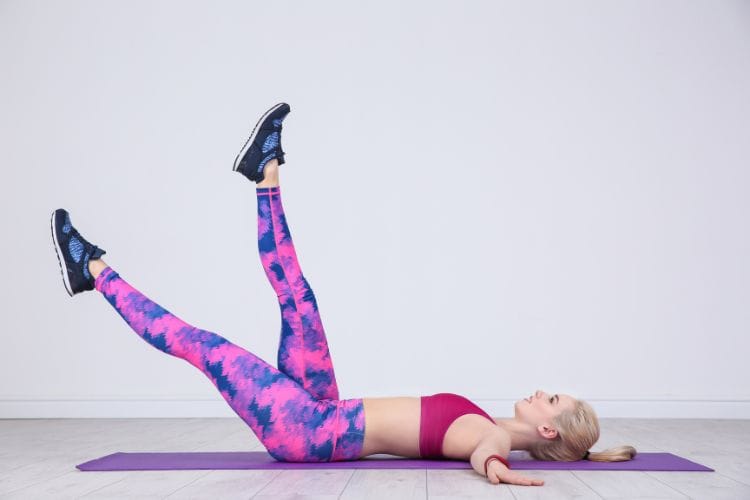
Flutter kicks are one of the most underrated yet effective ab exercises you can incorporate into your core training regimen. This simple yet challenging move not only targets your lower abs but also enhances core endurance, hip flexor strength, and cardiovascular conditioning when done in high reps. In this comprehensive guide, we’ll dive deep into how to perform flutter kicks properly, the muscles worked, variations, benefits, beginner tips, and how to include them in your fitness routine for optimal results.
Flutter kicks are a bodyweight exercise typically performed while lying on your back. The motion mimics the quick, alternating kicks swimmers use when performing the freestyle stroke, hence the name “flutter kicks.” Despite their simplicity, FK demand a significant amount of core control and lower abdominal strength to execute correctly.
Flutter kicks are commonly used in bodyweight circuits, core strengthening routines, and even HIIT workouts to spike the heart rate while engaging the core. They’re low-impact but highly effective and can be modified for both beginners and advanced athletes.
Flutter kicks offer a wide range of benefits that go beyond just aesthetics. Here’s why this movement should be a staple in your core workout program:
Flutter kicks are particularly effective at isolating and engaging the lower abdominal muscles, which are often hard to target. This helps sculpt a lean, defined midsection and builds a strong core for better posture and athletic performance.
Strong hip flexors are crucial for activities such as running, jumping, and squatting. Flutter kicks strengthen these muscles through repeated flexion and extension, promoting better lower body control.
Holding your legs off the ground and performing rapid fluttering motions builds muscular endurance in the core, which is essential for longer workouts and stamina during sports.
Flutter kicks help develop neuromuscular coordination between your abdominal muscles and legs. This improved mind-muscle connection translates to better balance and functional strength in daily life and athletic movements.
No equipment is needed, making FK a great choice for home workouts, travel fitness routines, or gym warm-ups. All you need is a flat surface and some space.
Flutter kicks primarily target the lower abdominal region, but the movement engages multiple muscles across your core and lower body:
Proper technique ensures these muscles are activated efficiently and safely.
Mastering the correct form is key to gaining the most from FK while minimizing injury risk.
Adding variations to your FK can help target different muscles, prevent plateaus, and keep your workouts exciting.
Hold a small dumbbell between your feet or wear ankle weights to increase resistance. This variation amplifies the core burn and boosts muscle recruitment.
Perform the movement while on a decline bench. This position increases the difficulty and demands more control from the lower abs.
Raise your shoulders off the mat in a crunch position while fluttering your legs. This adds an upper ab contraction, giving you a more complete abdominal engagement.
Advanced athletes can perform FK while hanging from a pull-up bar or dipping station. This activates the entire core and builds grip strength.
Scissor kicks involve crossing your legs over each other horizontally instead of fluttering vertically. This variation targets the obliques more intensely.
If you’re just starting with core workouts, FK can feel challenging. Here’s how to build your strength gradually and avoid strain:
Place your hands under your glutes to maintain lumbar support and reduce lower back stress, especially if you feel pain or arching.
Keeping your knees slightly bent can reduce the intensity and make it easier to control the movement while developing core strength.
Instead of focusing on reps, begin with shorter time intervals (e.g., 15–20 seconds) and gradually increase duration as you improve.
Add isometric holds like the hollow body hold or leg raises to build endurance and control before progressing to full flutter kicks.
Incorporate FK into a well-rounded core circuit or use them as a finisher for any full-body workout. Here’s a progression from beginner to advanced:
Perform 2–3 rounds with 30 seconds rest between exercises.
To prevent injury and ensure you’re targeting the right muscles, watch out for these common mistakes during FK:
An arched back shifts tension away from your abs and puts pressure on the spine. Always keep your lower back pressed firmly into the floor.
Don’t forget to breathe! Controlled breathing helps maintain core activation and prevents fatigue.
Avoid swinging your legs too fast. The goal is controlled, precise movements that challenge your core muscles, not just flailing your legs.
Your legs should remain low (around 6–12 inches off the ground) to keep tension on your abs. If they go too high, the challenge decreases.
Flutter kicks can be performed 2–4 times per week depending on your training goals and recovery. They are ideal as:
Remember to allow at least 24 hours of rest between intense ab sessions for recovery and muscle growth.
For maximum results, pair flutter kicks with other core strengthening exercises that target different muscle groups. Some great combinations include:
This multi-angled approach prevents imbalances and leads to a well-rounded, functional core.
You might be wondering how flutter kicks compare to traditional ab exercises. Here’s a quick comparison:
| Exercise | Focus Area | Intensity | Mobility Required | Best For |
|---|---|---|---|---|
| Flutter Kicks | Lower Abs | High | Moderate | Core endurance, HIIT |
| Crunches | Upper Abs | Moderate | Low | Beginners |
| Leg Raises | Lower Abs | High | Moderate | Strength & isolation |
| Plank | Entire Core | Moderate | Low | Stability & strength |
| Mountain Climbers | Core + Cardio | High | High | Fat burning, full-body |
Flutter kicks are a solid mid-to-high intensity option with excellent versatility.
Flutter kicks may look simple, but they pack a serious punch when it comes to strengthening your core, targeting your lower abs, and improving your overall fitness. With proper form, smart progressions, and consistency, this bodyweight exercise can help you sculpt lean, strong abs without any equipment.
Whether you’re just starting your fitness journey or you’re a seasoned athlete, flutter kicks offer value across all levels. Use them in isolation or as part of your complete ab workout routine for improved core stability, endurance, and aesthetic results.
Stay up to date on the latest women’s health, fitness and lifestyle trends and tips.
