


Sign up for workout ideas, training advice, reviews of the latest gear and more.

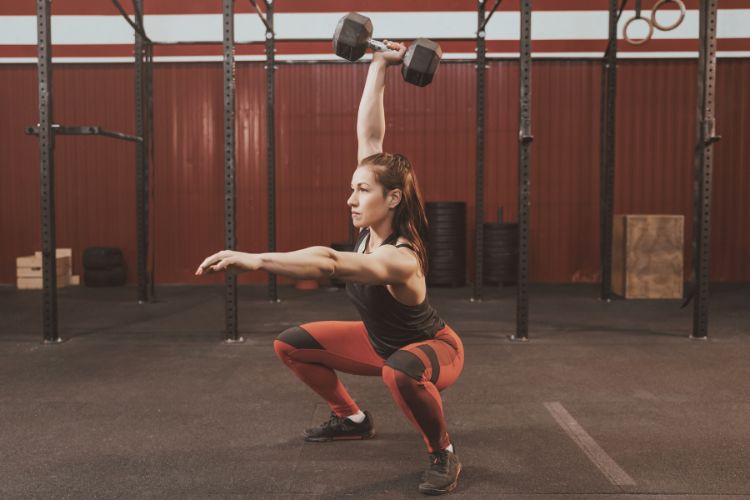
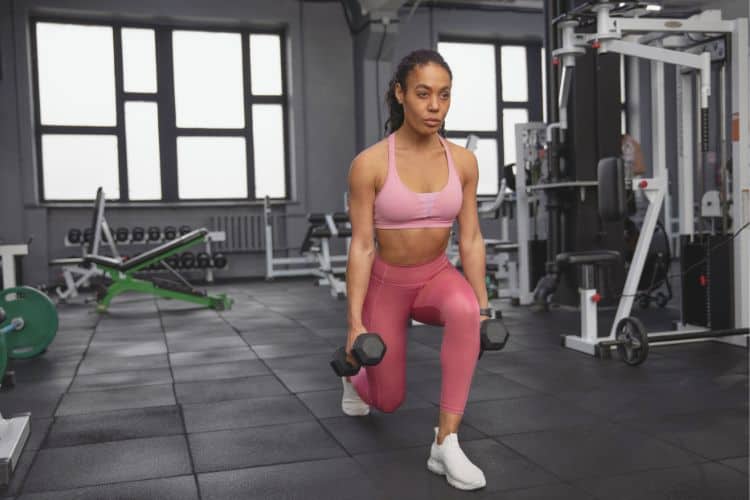
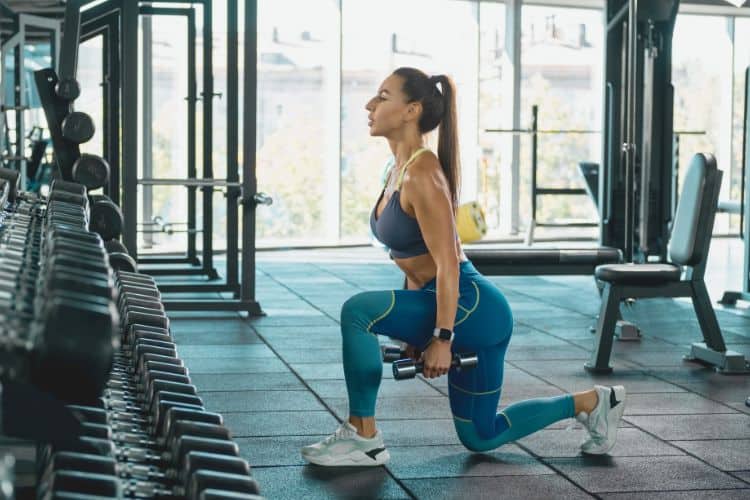

Running builds cardiovascular endurance, mental toughness, and lower-body stamina—but on its own, it doesn’t fully prepare your body for long-term performance. That’s where strength training comes in. A full body dumbbell workout for runners is one of the most efficient ways to improve speed, reduce injury risk, and develop balanced muscle strength—without needing a gym full of machines. With just a pair of dumbbells and 30–45 minutes, you can target the muscles that matter most for running: glutes, hamstrings, quads, calves, core, and upper body stabilizers.
In this guide, you’ll find a complete runner-specific strength routine, plus programming tips, form cues, and recovery strategies so you can lift smarter and run stronger.
Many runners fall into the trap of thinking that more miles equal better performance. While mileage matters, strength training fills in the gaps that running alone leaves behind.
Here’s what a consistent dumbbell program can do for runners:
Stronger muscles produce more force with less effort. When your glutes, hamstrings, and core are trained, each stride becomes more efficient—meaning you can maintain pace longer with less fatigue.
Common running injuries (IT band pain, shin splints, knee discomfort, plantar fasciitis) often stem from muscular imbalances or weak stabilizers. Full body resistance training strengthens connective tissue and improves joint integrity.
Upper-body and core strength help keep your torso tall and steady, especially late in a run when fatigue sets in.
Explosive strength from compound dumbbell movements translates directly to stronger push-offs and faster acceleration.
For most runners, 2–3 full body dumbbell workouts per week is ideal.
Here’s a simple weekly structure:
Place strength sessions on easy run days or after shorter runs. Avoid heavy lifting the day before long runs or speed sessions.
Before grabbing your dumbbells, prep your joints and muscles.
Perform each move for 30–45 seconds:
A good warm-up increases blood flow, improves mobility, and reduces injury risk.
This routine emphasizes single-leg strength, posterior chain development, core stability, and upper-body posture—all critical for runners.
Complete 3 rounds total.
Rest 45–75 seconds between exercises.
12–15 reps
Targets: quads, glutes, core
Hold one dumbbell at chest height. Sit back into your hips, keep your chest tall, and drive through your heels to stand.
Runner benefit: Builds quad and glute strength for uphill running and fatigue resistance.
10 reps per leg
Step back into a lunge, then drive your back knee forward as you stand.
Runner benefit: Improves single-leg balance and mimics running mechanics.
8–10 reps per side
Hold dumbbells in front of thighs. Hinge forward on one leg while keeping hips square.
Runner benefit: Strengthens hamstrings and glutes while training balance.
8–10 reps per side
From plank position, drag a dumbbell underneath your body from one side to the other.
Runner benefit: Builds anti-rotation core strength for better stride control.
12 reps
Hinge at hips with flat back. Pull dumbbells toward ribs.
Runner benefit: Strengthens upper-back muscles to prevent rounded shoulders during long runs.
10–12 reps
Press dumbbells overhead while bracing your core.
Runner benefit: Improves posture and arm drive efficiency.
15 reps
Place dumbbell on hips, feet flat on floor, drive hips upward.
Runner benefit: Activates glutes for stronger push-off power.
10 reps per side
Lie on back holding light dumbbells. Extend opposite arm and leg slowly.
Runner benefit: Reinforces deep core stability essential for efficient running.
If you want a metabolic boost:
Perform 3 rounds:
Rest 30 seconds between rounds.
This finisher elevates heart rate while reinforcing full body coordination.
Finish every session with light stretching:
Mobility work improves recovery and keeps your stride smooth.
Use weights that feel challenging by the last 2–3 reps while maintaining perfect form.
General guideline:
Runners often underestimate their strength—don’t be afraid to go heavier on squats, lunges, and deadlifts.
Let’s connect the dots between lifting and logging miles.
Your glutes are your primary running engine. Dumbbell squats, lunges, and bridges directly improve propulsion and reduce reliance on calves.
Running is essentially a series of single-leg hops. Unilateral exercises correct imbalances and enhance stability.
A strong core prevents side-to-side sway and collapsing posture, saving energy with every stride.
Rows and presses strengthen your arms and upper back, helping maintain rhythm and efficiency, especially during hills or sprints.
Here’s how to integrate this full body dumbbell workout into your running routine:
Monday: Easy run + strength workout
Tuesday: Speed or tempo run
Wednesday: Rest or mobility
Thursday: Easy run + strength workout
Friday: Rest
Saturday: Long run
Sunday: Optional recovery jog or yoga
Adjust based on experience level and training goals.
Avoid these pitfalls:
Arm strength matters for posture and momentum—don’t neglect it.
Progressive overload is key. Increase weight gradually as movements become easier.
Muscles grow during rest. Prioritize sleep, hydration, and mobility.
Quality always beats quantity. Slow down and move with control.
Fueling properly makes a huge difference.
Aim for balanced meals that support both endurance and muscle recovery.
This full body dumbbell routine works well for:
It’s scalable—adjust reps, sets, or weights based on your fitness level.
Running alone builds endurance—but strength training builds resilience.
A full body dumbbell workout for runners gives you everything you need to become a stronger, faster, more injury-resistant athlete: powerful legs, stable core, and upright posture.
Commit to just two sessions per week, stay consistent, and you’ll notice improvements not only in your strength—but also in how your runs feel.
Stronger muscles mean smoother miles, better recovery, and greater confidence on every run.
To help runners strengthen their entire body and support performance gains, check out additional strength-focused workouts and exercise guides right here on Women’s Fit Club. For foundational training, the 2 Week Full Body Dumbbell Workout (Build Strength and Burn Fat) offers a structured progression that complements running days and boosts muscular endurance. If you’re looking for a quick but effective conditioning option, our 30‑Minute Dumbbell Circuit Workout (Full Body Strength & Cardio) blends strength with cardio in just half an hour. Beginners can start with the 30‑Minute Full Body Dumbbell Workout You Can Do At Home to learn key movements before adding runner-specific strength work. For focused lower-body development essential for strong strides, try the 20 Minute Lower Body Dumbbell Workout: Build Strength & Tone to target glutes and legs, and don’t miss the 30 Minute Dumbbell Glute Workout for Strength and Toning.
Stay up to date on the latest women’s health, fitness and lifestyle trends and tips.
