


Sign up for workout ideas, training advice, reviews of the latest gear and more.

Staying strong, energized, and mobile after 50 isn’t about punishing workouts—it’s about smart, consistent strength training that supports your joints, protects your bones, and keeps everyday movements feeling easy. A full body dumbbell workout over 50 at home is one of the most powerful tools women over 50 can use to build lean muscle, improve balance, boost metabolism, and age with confidence.
The beauty of dumbbells? They’re versatile, joint-friendly, and perfect for home training. Whether your goal is fat loss, toning, posture improvement, or simply feeling stronger in daily life, this guide walks you through everything you need to know—from benefits and safety tips to a complete, follow-along program you can repeat weekly.
Hormonal changes, natural muscle loss, and decreased bone density all accelerate with age. Without resistance training, women can lose up to 1% of muscle mass per year after 50. That’s why full body dumbbell workouts are so valuable.
Here’s what regular strength training can do for women over 50:
And when you train at home, you remove barriers like commute time, gym intimidation, and busy schedules.
For most women, 2–4 full body sessions per week is ideal.
A simple weekly structure looks like this:
Each strength session should last 30–45 minutes, focusing on controlled movements, good form, and moderate weights.
If you’re new to strength training or returning after a break:
Progress slowly. Increasing weight even by 2 lbs makes a big difference over time.
Never skip your warm-up—especially after 50. This prepares joints, increases circulation, and reduces injury risk.
Perform each move for 30–45 seconds:
Once you feel warm and mobile, grab your dumbbells.
This workout targets legs, glutes, chest, back, shoulders, arms, and core. Perform each exercise for 10–12 reps, resting 45–60 seconds between sets.
Complete 2–3 total rounds.
Targets: quads, glutes, core
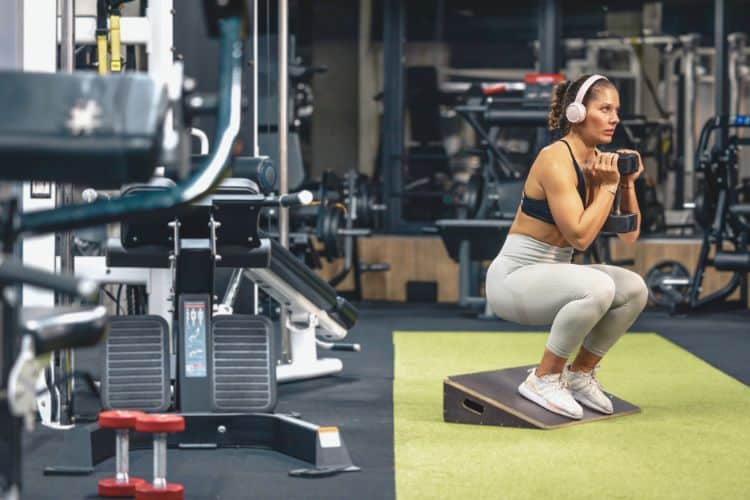
Hold dumbbells at your sides. Sit back into your hips, lower with control, then press through your heels to stand. Keep chest tall.
Tip: Use a chair behind you if you need depth guidance.
Targets: chest, triceps, shoulders
Lie on your back with knees bent. Press dumbbells upward until arms are straight, then lower slowly.
Why floor presses work: The floor protects shoulder joints by limiting range.
Targets: upper back, posture muscles, biceps
Hinge at hips with flat back. Pull dumbbells toward your ribs, squeeze shoulder blades, then lower.
This move is essential for counteracting rounded shoulders and improving posture.
Targets: shoulders, arms, core
Press dumbbells overhead while bracing your core. Lower slowly.
Modification: Perform seated if balance feels unstable.
Targets: hamstrings, glutes, lower back
Hold dumbbells in front of thighs. Hinge at hips, sliding weights down legs until you feel hamstring stretch. Return to standing.
This builds posterior chain strength and supports your lower back.
Targets: legs, glutes, balance
Step one foot back into a lunge. Lower with control, then return to standing. Alternate sides.
Use a chair or wall for support if needed.
Targets: arms
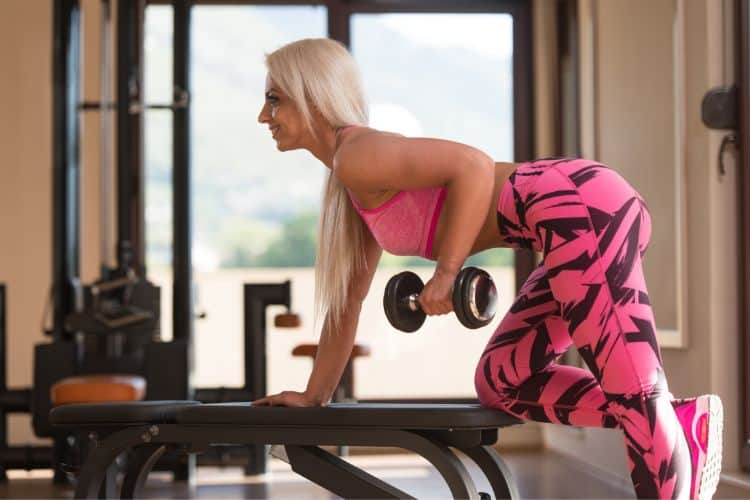
Perform 10–12 curls immediately followed by 10–12 tricep kickbacks. Rest, then repeat.
This combo tones arms while saving time.
Targets: core stability
Option A: Hold one dumbbell at chest and march slowly in place.
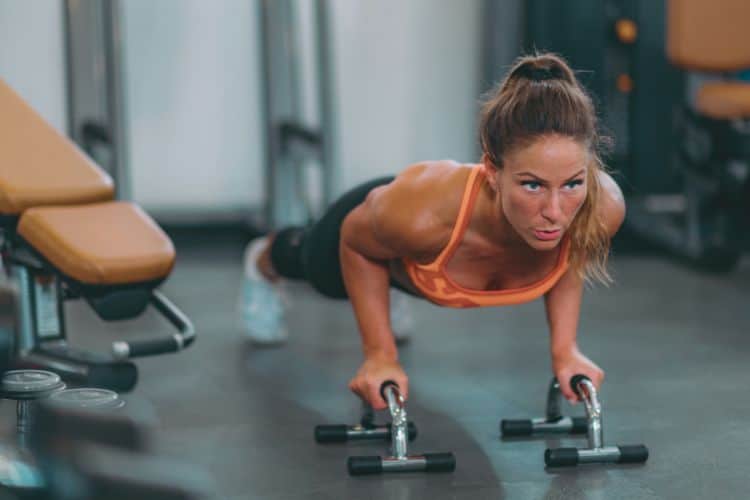
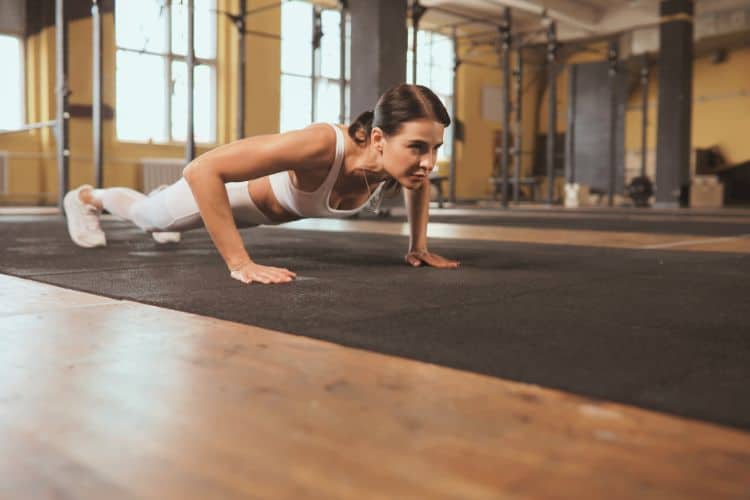
Option B: Hold plank for 20–40 seconds (knees down if needed).
Strong core muscles protect your spine and improve balance.
Finish every workout with gentle stretching:
This helps reduce soreness and supports recovery.
Here’s a beginner-friendly plan:
Monday: Full Body Dumbbell Workout
Tuesday: 20–30 minute walk + stretching
Wednesday: Full Body Dumbbell Workout
Thursday: Yoga or mobility
Friday: Full Body Dumbbell Workout (optional)
Weekend: Light activity or rest
Consistency matters more than intensity.
Cardio alone isn’t enough. Muscle keeps you strong, mobile, and metabolically active.
Your body adapts. Gradually increase resistance to see real results.
Slow, controlled movements protect joints and build more muscle.
Rest days are part of progress. Sleep and hydration matter.
You don’t need a perfect diet—just smart basics:
A balanced approach supports energy, recovery, and long-term fat loss.
Most women notice:
Progress isn’t linear—focus on consistency, not perfection.
The best program is the one you stick to. Try these tips:
Small habits create big results over time.
Absolutely not.
Women in their 50s, 60s, and beyond build strength every day. Your body is incredibly adaptable—you just need to give it the right stimulus.
A full body dumbbell workout at home is simple, affordable, and empowering. You don’t need fancy equipment or extreme routines—just commitment, patience, and a pair of dumbbells.
This full body dumbbell workout for women over 50 at home proves that strength training doesn’t have to be complicated to be effective. By training your entire body a few times per week, you’ll improve mobility, protect your joints, increase muscle tone, and feel more confident in everything you do—from climbing stairs to carrying groceries.
Start where you are. Use what you have. Progress at your own pace.
Your strongest years are still ahead.
To complement your full body dumbbell workout for women over 50, be sure to explore related resources on WomensFitClub.com, including a time-efficient 15-Minute Beginner Full Body Dumbbell Workout for days when you’re short on time, our 30-Minute Full Body Dumbbell Workouts that build strength and tone, and a 20-Minute Full Body Compound Workout for balanced strength training. If you’d like to add variety beyond dumbbells, check out our 30-Minute Full Body Kettlebell Workout for Beginners to challenge your muscles in a new way, and don’t miss additional fitness tips and health guides on the Womens Fit Club homepage. These articles offer diverse workouts and wellness advice to support your strength, mobility, and fitness journey at every age.
Stay up to date on the latest women’s health, fitness and lifestyle trends and tips.
