


Sign up for workout ideas, training advice, reviews of the latest gear and more.




Aging does not mean slowing down — it means training smarter. For women over 40, full body strength training becomes one of the most powerful tools for preserving lean muscle, protecting bone density, stabilizing hormones, and keeping metabolism strong. This stage of life is when intentional, structured strength training creates dramatic differences in how your body looks, feels, and functions.
As estrogen begins to decline, muscle mass naturally decreases and fat storage becomes easier. Without strength training, this can lead to joint pain, slow metabolism, and stubborn weight gain. A full body strength training plan helps counteract all of those changes by stimulating muscle growth, supporting bone health, and keeping blood sugar stable. The result is a body that feels strong, energized, and resilient instead of tired and inflamed.
This guide walks you through exactly how to structure a full body strength training plan that works with your hormones, recovery ability, and lifestyle after 40 — not against it.
Strength training is no longer optional once you reach your 40s — it becomes foundational. Women lose roughly 3–8% of their muscle mass per decade after 30, and that rate accelerates during perimenopause and menopause. Less muscle means fewer calories burned at rest, weaker joints, poorer balance, and a higher risk of osteoporosis.
Lifting weights directly signals your body to preserve and rebuild lean tissue. This increases metabolic rate, improves insulin sensitivity, and protects bone density. It also reduces inflammation and improves sleep, mood, and energy levels.
Full body workouts are especially powerful because they recruit multiple muscle groups at once. That means higher calorie burn, better hormone response, and more functional strength for daily life.
After 40, estrogen and progesterone fluctuate, which can make fat loss harder and recovery slower. Full body strength training triggers growth hormone and testosterone — both critical for muscle tone and fat burning. These workouts also help stabilize cortisol, preventing the stress-driven belly fat many women experience.
By training your entire body in each session, you avoid overloading your nervous system while still stimulating every muscle group. This leads to better recovery, less soreness, and more consistent results.
Most women over 40 thrive on three to four full body strength training sessions per week. This provides enough stimulus for muscle growth without overwhelming recovery capacity.
Three days per week is ideal for beginners or anyone returning to training. Four days per week works well for intermediate exercisers who want faster results. More than four days often leads to fatigue and hormone disruption, especially when combined with cardio.
Rest days are not weakness — they are when your muscles actually rebuild and grow stronger.
The most effective rep range for women over 40 is typically 8–12 reps for most exercises. This range builds muscle without overloading the joints. Lighter sets of 12–15 reps can be used for accessory movements and core work, while 6–8 reps are useful for compound lifts like squats and deadlifts when performed with perfect form.
Training this way supports lean muscle growth, joint health, and metabolic function without excessive strain.
A proper warm-up is non-negotiable after 40. Your joints need more time to lubricate and your muscles need more blood flow before lifting. Five to ten minutes of dynamic movement is enough to prevent injuries and improve performance.
Light cardio such as brisk walking, marching in place, or cycling followed by dynamic stretches for hips, shoulders, and spine prepares your body for strength training.
Each workout should include:
This structure ensures balanced development and prevents muscle imbalances that lead to pain and injury.
This session targets your legs, glutes, chest, shoulders, and triceps while engaging your core.
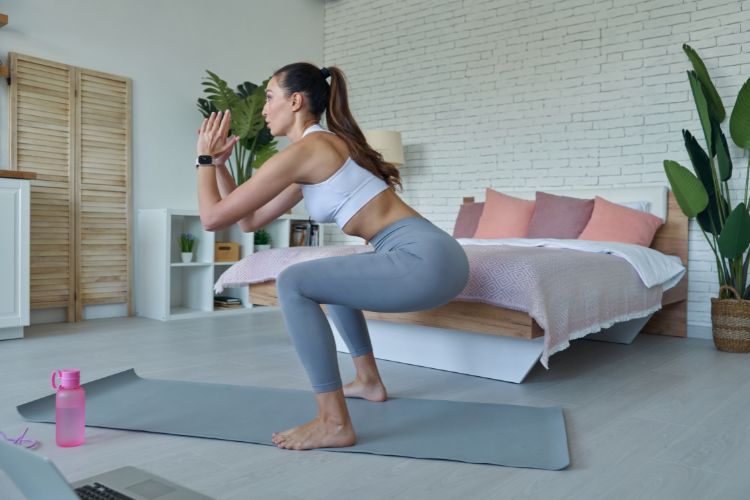
Start with squats to strengthen the thighs, glutes, and hips. Squats improve mobility, balance, and bone density. Follow them with push-ups or chest presses to train the chest, shoulders, and arms.
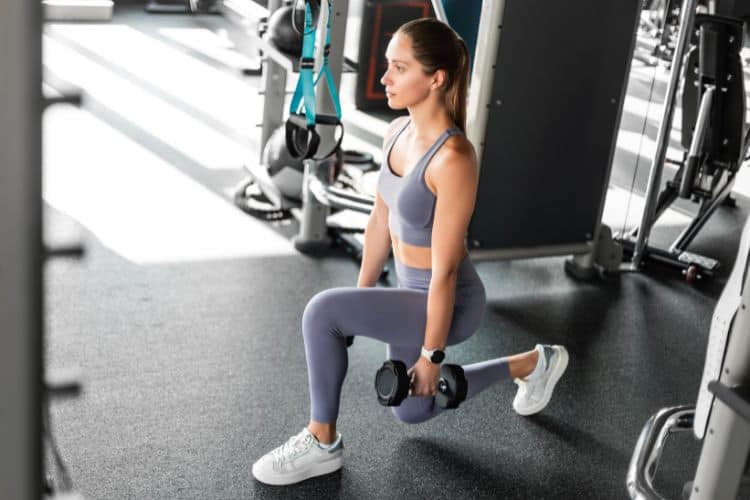
Include lunges for unilateral leg strength and shoulder presses for overhead stability. Finish with plank variations to strengthen your deep core muscles and protect your spine.
This workout strengthens your back, glutes, and hamstrings — areas that protect posture and reduce back pain.
Deadlifts or hip hinges build powerful glutes and hamstrings. Rows strengthen the upper back and prevent rounded shoulders. Lat pull-downs or assisted pull-ups improve arm and back strength.
Add glute bridges for pelvic stability and finish with rotational core exercises to support the lower back.
This session combines strength and metabolic work to burn fat while preserving muscle.
Perform kettlebell swings or dumbbell deadlifts for lower body power. Pair them with push presses or thrusters to engage the entire body. Add step-ups for balance and core engagement.
Finish with farmer’s carries or sled pushes to build grip strength, core stability, and cardiovascular endurance.
This optional session focuses on lighter weights, higher reps, and joint-friendly movement. It enhances recovery while still stimulating muscle.
Resistance band exercises, Pilates-style movements, and controlled dumbbell work improve muscle tone and joint health.
Progressive overload is still essential after 40, but it must be applied wisely. Increase weight slowly, add reps, or improve control and range of motion rather than constantly chasing heavier loads.
Your goal is consistent progress without joint pain or burnout.
Sleep, hydration, and nutrition become even more important after 40. Strength training only works if your body has the resources to rebuild muscle.
Aim for seven to nine hours of sleep, drink plenty of water, and eat enough protein to support muscle repair.
Protein intake should be higher than it was in your 20s. Women over 40 benefit from about 0.7 to 0.9 grams of protein per pound of lean body mass daily. This supports muscle preservation and fat loss.
Carbohydrates around workouts help fuel performance, while healthy fats support hormone production.
Most women notice improved energy and strength within two weeks. Visible muscle tone and fat loss typically appear within six to eight weeks of consistent training.
The key is consistency, not perfection.
Many women either train too lightly to stimulate muscle or do too much cardio and not enough strength. Others skip rest days or avoid heavy enough weights.
Strength training should feel challenging, empowering, and sustainable — not exhausting or punishing.
Full body training provides frequent muscle stimulation while allowing enough recovery between sessions. It improves coordination, balance, and hormone response while minimizing overuse injuries.
For women over 40, it is the most efficient and effective way to build a strong, lean, resilient body.
A full body strength training plan is one of the most powerful investments a woman over 40 can make in her health, confidence, and longevity. It builds muscle, strengthens bones, balances hormones, and transforms the way you feel in your body.
You are not too old to get strong. In fact, this is exactly the age when strength matters most. When you train with intention, respect recovery, and fuel your body properly, you will not only look better — you will feel powerful, energized, and capable in every part of your life.
To help you make the most of your full body strength training journey after 40, WomensFitClub.com offers a range of supportive workouts and guides designed specifically for women looking to build strength, boost metabolism, and stay active at any age. For targeted strategies and age-appropriate routines, check out our Ultimate Full Body Workout Split for Women Over 40 for a structured weekly plan that boosts strength and tone across all major muscle groups. If you’re short on time but still want effective results, try our 15-Minute Full Body Resistance Workout — a powerful no-equipment routine that fits into even the busiest schedules. For functional strength and everyday movement improvements, our 20-Minute Full Body Functional Strength Workout is ideal for busy women seeking real-world strength gains. New to strength training? The Best Workouts for Women Over 40 to Stay Fit and Strong guide breaks down essential exercises and tips to build confidence and consistency. And for a quick energy-boosting session anytime, the Ultimate 5-Minute Low-Impact Workout.
Stay up to date on the latest women’s health, fitness and lifestyle trends and tips.
