


Sign up for workout ideas, training advice, reviews of the latest gear and more.

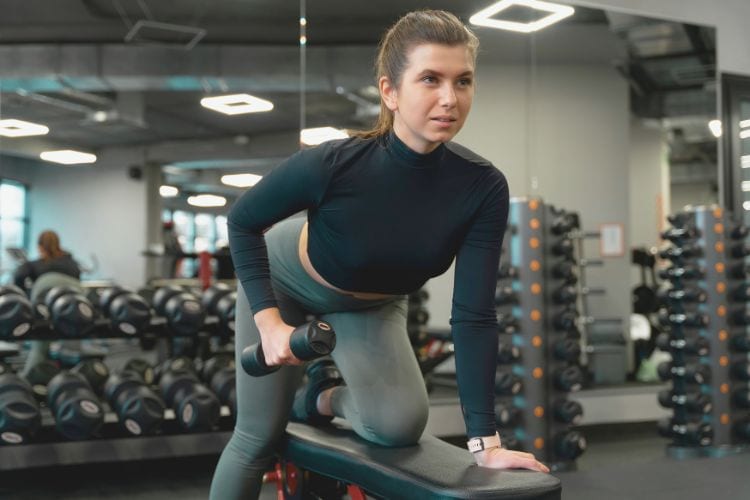
Starting a fitness journey can feel overwhelming, especially if you’re new to strength training and unsure how to structure your workouts. A full body superset workout for beginners is one of the most effective, time-efficient, and confidence-building ways to get stronger, burn calories, and learn proper movement patterns—all without spending hours in the gym.
This guide is designed specifically for beginners. You’ll learn what supersets are, why they’re beginner-friendly, how to perform them safely, and how to follow a complete full-body superset workout that builds strength from head to toe. Whether you’re working out at home or in the gym, this plan will help you create consistency and results from day one.
A full body superset workout targets all major muscle groups—legs, glutes, chest, back, shoulders, arms, and core—in a single session using paired exercises called supersets.
A superset means performing two exercises back-to-back with little or no rest in between. Once both exercises are completed, you rest briefly before repeating the pair.
For beginners, supersets are typically structured in one of two ways:
This approach keeps workouts engaging, efficient, and surprisingly beginner-friendly when programmed correctly.
Many beginners assume supersets are only for advanced lifters, but when designed properly, they offer unique benefits for those just starting out.
Supersets reduce total workout time by minimizing long rest periods. You can complete a highly effective full-body workout in 30–45 minutes.
Beginners benefit from learning how to maintain proper form while slightly fatigued. This improves muscular endurance while building foundational strength.
Moving continuously between exercises keeps your heart rate elevated, increasing overall energy expenditure without the need for intense cardio.
Supersets add variety and flow to workouts, making it easier to stay consistent and motivated.
A full-body superset workout ensures you’re not over-focusing on one muscle group while neglecting others.
Yes—when programmed correctly.
The key to safety is:
Beginners should focus on learning movement patterns first, not lifting heavy. Supersets should feel challenging but manageable, not exhausting or painful.
For most beginners, 2–3 full body workouts per week is ideal.
A simple schedule might look like:
Always allow at least one rest day between sessions to support recovery and muscle adaptation.
Never skip your warm-up. A proper warm-up prepares your muscles, joints, and nervous system for training and reduces injury risk.
The goal is to increase blood flow and mobility, not fatigue.
This workout uses basic, beginner-friendly exercises that can be performed at home or in the gym. Choose dumbbells or bodyweight based on your comfort level.
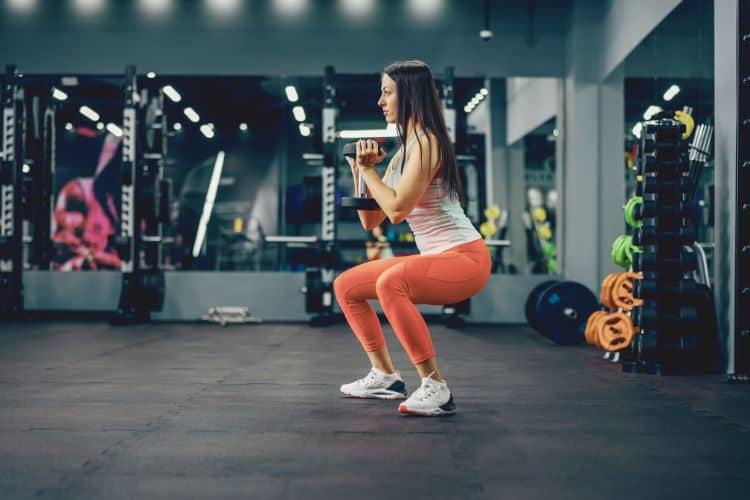
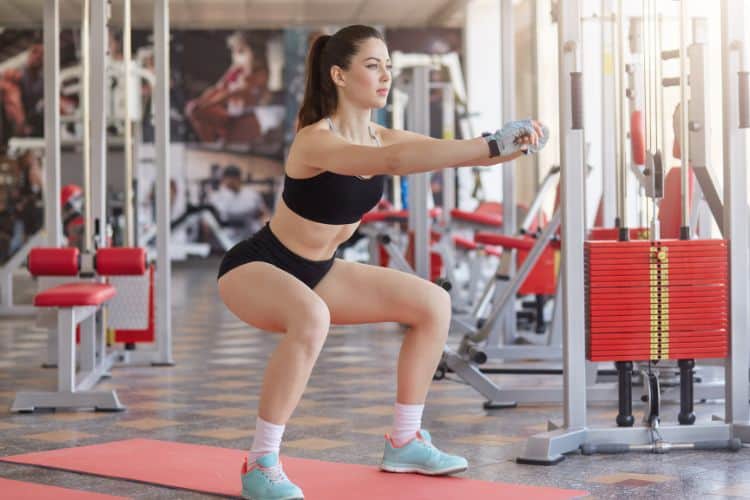
Squats build strength in the glutes, quadriceps, and core while teaching proper lower-body mechanics.
Glute bridges activate the glutes and support hip stability, which is essential for beginners.
How to Perform
This pairing strengthens the lower body while reinforcing proper hip movement.
Push-ups strengthen the chest, shoulders, arms, and core. Beginners can use knee or incline variations.
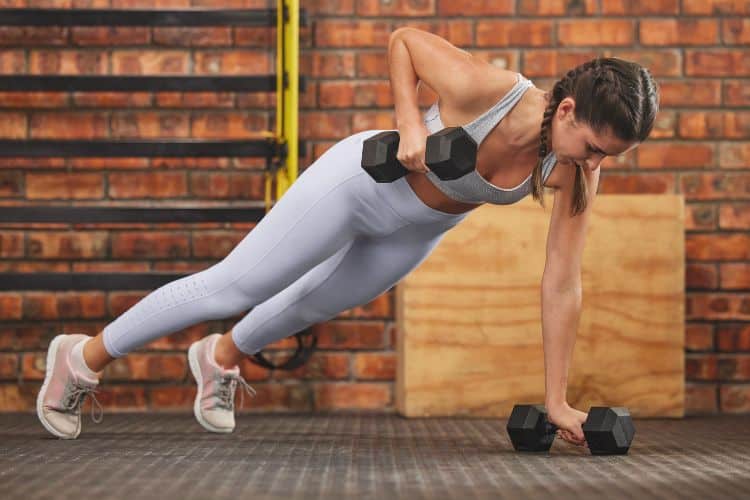
Rows strengthen the upper back and improve posture, which is especially important for beginners.
How to Perform
This push-pull combination keeps the shoulders balanced and reduces injury risk.
Reverse lunges are easier on the knees than forward lunges and help improve balance and leg strength.
Calf raises strengthen the lower legs and improve ankle stability.
How to Perform
This superset builds lower-body stability and coordination.
The shoulder press builds upper-body strength and reinforces core engagement.
This movement targets the back muscles and improves posture.
How to Perform
If training at home, resistance bands work perfectly for this superset.
Dead bugs teach core control and protect the lower back, making them ideal for beginners.
Planks build full-core strength and reinforce proper alignment.
How to Perform
This superset builds core strength without spinal strain.
Finish your workout with 5 minutes of stretching to promote recovery and flexibility.
Cooling down helps reduce soreness and signals your body to recover.
Progression is essential for results, but it should be gradual.
Never sacrifice form for progression. Quality always comes first.
Cold muscles are more prone to injury. Always warm up.
Beginners should prioritize learning proper technique over lifting heavy.
Controlled movements are more effective and safer than rushing.
Muscles grow during rest. Recovery is part of the process.
Yes. Full body superset workouts are excellent for fat loss when combined with proper nutrition.
They:
While exercise alone doesn’t guarantee weight loss, this style of training supports sustainable results.
One of the biggest advantages of this workout style is flexibility.
Both options are effective. Choose the environment that helps you stay consistent.
This workout style is ideal for:
It’s scalable, adaptable, and effective for a wide range of fitness levels.
A full body superset workout for beginners is one of the smartest ways to start strength training. It builds confidence, strength, and consistency without overwhelming your body or schedule.
By combining simple exercises into efficient supersets, you’ll train smarter—not longer—and create a strong foundation for future fitness progress. Stay patient, focus on form, and commit to consistency. Results will follow.
If you’re ready to start, use this workout 2–3 times per week, listen to your body, and enjoy the journey toward a stronger, healthier you.
For more ways to elevate your fitness journey alongside this full body superset workout for beginners, check out our comprehensive 30 Minute Full Body Dumbbell Superset Workout for Great Results that helps you burn fat and build strength in just half an hour. If you’re looking for gentler options that still hit the whole body, our 30-Minute Low Impact Full Body Workout offers joint-friendly moves perfect for beginners or active recovery days. To structure your training throughout the week, our 3-Day a Week Superset Workout Routine provides a balanced plan that fits busy schedules. For those wanting to focus on strength and fat loss using equipment, our Best Full Body Dumbbell Workout for Strength and Fat Loss gives you versatile exercises you can perform at home or the gym. And if you’re ready to commit to a longer progression, explore our 4-Week Fat-Burning Superset Workout Plan.
Stay up to date on the latest women’s health, fitness and lifestyle trends and tips.
