


Sign up for workout ideas, training advice, reviews of the latest gear and more.

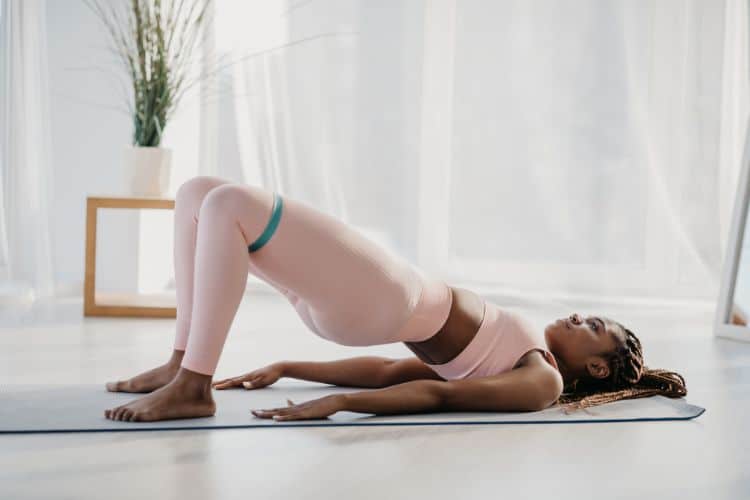
When it comes to building strength, improving posture, and enhancing overall fitness, the glute bridge is a powerhouse exercise that should not be overlooked. This simple yet effective movement targets the glutes, hamstrings, and core, making it an excellent addition to any home workout routine. For women, in particular, the glute bridge offers numerous benefits, from shaping and toning the lower body to improving pelvic stability and reducing the risk of injury. In this blog post, we’ll dive deep into everything you need to know about glute bridge at-home workouts, including variations, tips, and a step-by-step guide to help you get the most out of this exercise.
The glute bridge is one of the most effective exercises for activating and strengthening the glute muscles. For women, strong glutes are not just about aesthetics; they play a crucial role in supporting the lower back, improving posture, and enhancing overall athletic performance.
Weak glutes can lead to pelvic instability, which may contribute to lower back pain and poor posture. By incorporating glute bridges into your routine, you can strengthen the muscles around your pelvis, leading to better stability and reduced discomfort.
Whether you’re a runner, cyclist, or just enjoy staying active, strong glutes are essential for powering through movements and preventing injuries. Glute bridges help improve hip extension, which is critical for activities like sprinting, jumping, and climbing.
One of the best things about glute bridges is that they can be done anywhere, anytime, with no equipment required. This makes them an ideal exercise for women who prefer working out at home or have limited access to a gym.
Before diving into advanced variations, it’s important to master the basic glute bridge. Here’s a step-by-step guide to ensure proper form and maximum effectiveness:
Once you’ve mastered the basic glute bridge, you can incorporate these variations to challenge your muscles and keep your workouts exciting.
This variation increases the intensity by isolating one leg at a time, forcing your glutes to work harder.
Elevating your feet increases the range of motion, making the exercise more challenging.
Adding resistance, such as a dumbbell or resistance band, can help build strength and muscle.
Resistance bands add extra tension, making your glutes work harder throughout the movement.
This dynamic variation adds a core challenge to the exercise.
To get the most out of your glute bridge exercises, keep these tips in mind:
Here’s a sample workout routine that incorporates glute bridges and their variations. Perform this routine 2-3 times per week for best results.
While the glute bridge is a relatively simple exercise, it’s easy to make mistakes that can reduce its effectiveness or lead to injury. Here are some common pitfalls to watch out for:
Like any exercise, consistency is key to seeing results with glute bridges. Over time, you’ll notice improvements in your strength, posture, and overall physique. Additionally, strong glutes can enhance your performance in other activities, from running to yoga, making this exercise a valuable addition to your fitness routine.
The glute bridge is a versatile, effective, and accessible exercise at home or in the gym and offers numerous benefits for women. Whether you’re looking to tone your lower body, improve your posture, or enhance your athletic performance, this movement is a must-try. By incorporating the basic glute bridge and its variations into your home workouts, you can build strength, boost confidence, and achieve your fitness goals—all from the comfort of your living room. So, roll out your mat, get into position, and start bridging your way to a stronger, healthier you!
Stay up to date on the latest women’s health, fitness and lifestyle trends and tips.
