


Sign up for workout ideas, training advice, reviews of the latest gear and more.


High-intensity interval training (HIIT) has become one of the most popular workout styles in the world — and for good reason. When done correctly, HIIT delivers powerful fat-burning benefits, improves cardiovascular fitness, and builds functional strength in a short amount of time. But if you’re over 40 and just getting started, traditional HIIT routines can feel intimidating, overly intense, or even risky.
The good news? HIIT for beginners over 40 doesn’t have to mean jumping nonstop or pushing to exhaustion. With smart exercise selection, controlled intensity, and proper recovery, you can safely enjoy all the benefits of HIIT while protecting your joints, muscles, and energy levels.
This guide walks you through everything you need to know about beginner HIIT over 40 — including benefits, safety tips, and a complete full-body workout you can do at home with little to no equipment.
HIIT stands for High-Intensity Interval Training. It alternates short bursts of higher-effort movement with periods of rest or lower-intensity activity.
Instead of exercising at a steady pace for long periods, HIIT challenges your body in intervals. This approach:
After 40, metabolism naturally slows and muscle mass begins to decline. HIIT helps counteract both by stimulating muscle fibers and increasing calorie burn — making it an excellent training method for midlife fitness.
However, HIIT for beginners over 40 must be scaled appropriately. The goal is sustainable intensity, not extreme exhaustion.
A well-designed full-body HIIT routine provides multiple benefits in one session.
Full-body HIIT uses compound movements that engage multiple muscle groups at once. This improves functional strength for everyday activities like lifting, climbing stairs, and carrying groceries.
Short bursts of effort increase post-exercise calorie burn, helping reduce body fat without spending hours on a treadmill.
Alternating intensity trains your heart to recover faster, improving endurance and circulation.
Weight-bearing movements help preserve bone strength — a key concern after 40.
HIIT releases endorphins and increases oxygen delivery throughout the body, often leading to improved focus and reduced stress.
Yes — when programmed correctly.
The key differences between traditional HIIT and beginner HIIT over 40 include:
Always listen to your body. Mild breathlessness is normal. Sharp pain, dizziness, or extreme fatigue are not.
If you’re returning to exercise after a long break or managing medical conditions, consult your healthcare provider before starting.
For most beginners:
Consistency matters more than intensity.
This workout is designed to elevate your heart rate while remaining joint-friendly and beginner accessible. Perform each exercise for 30–40 seconds, followed by 30–45 seconds of rest. Complete 2–3 rounds total.
Always begin with a warm-up to prepare your joints and muscles:
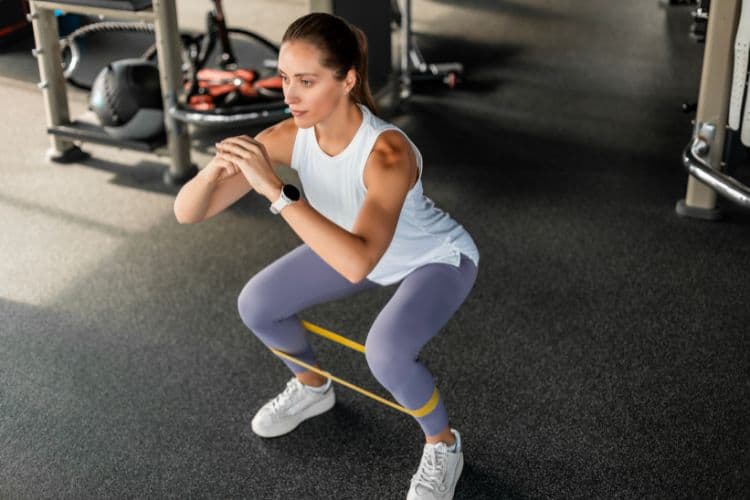
Targets glutes, quads, and core while raising heart rate. Keep chest lifted and sit back into your heels.
Strengthens chest, shoulders, and arms. Perform on knees or against a wall if needed.
Engages shoulders and upper body while activating core stability. Use light weights.
Gentler on the knees than forward lunges. Builds leg strength and balance.
Activates core while adding cardio. Lift knees with control and maintain posture.
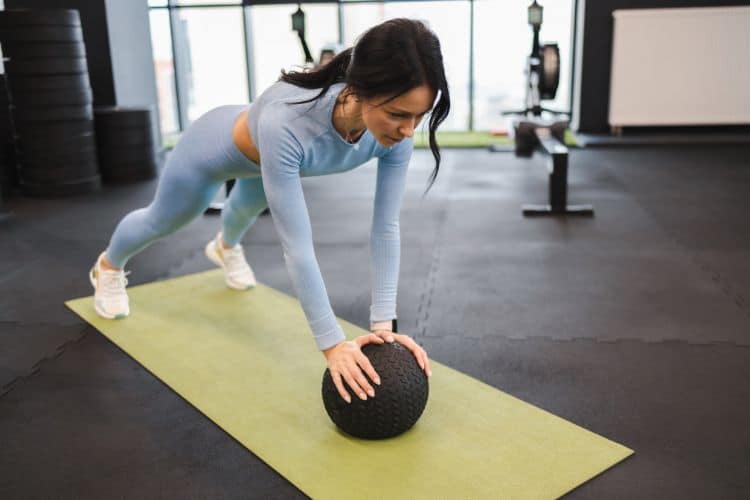
Increases heart rate while strengthening abs and shoulders. Step feet instead of jumping.
Total workout time: approximately 25–35 minutes.
Finish every session with gentle stretching:
Deep breathing helps bring your heart rate down and supports recovery.
Once this workout feels manageable, progress gradually:
Never rush progression. Sustainable fitness comes from steady improvement.
Cold muscles are more prone to injury. Always warm up.
HIIT is effective without pushing to extremes.
Rest is when your body adapts and strengthens.
Proper technique prevents injury and delivers better results.
Your workouts are only part of the equation.
Focus on:
Aim for balanced meals with whole foods and adequate calories to fuel training.
Most beginners notice:
Remember: progress isn’t only physical. Better sleep, mood, and confidence matter too.
HIIT offers a powerful combination of efficiency, strength building, and fat loss — all in short, manageable sessions.
When tailored for beginners over 40, HIIT becomes:
You don’t need to train like you’re 25 to see amazing results. Smart programming beats intensity every time.
Starting HIIT over 40 is one of the best decisions you can make for your health, energy, and confidence.
This beginner full-body HIIT workout proves you don’t need fancy equipment or long gym sessions to build strength, burn fat, and feel amazing. With consistency, proper recovery, and progressive effort, you’ll develop a stronger body and a healthier mindset at any age.
Show up, move with purpose, and trust the process.
Your strongest years are still ahead.
For women ready to take their fitness to the next level, incorporating varied HIIT and full-body workouts into your routine can dramatically improve fat loss, strength, and stamina no matter your age or schedule. If you’re new to interval training, our beginner-friendly Best HIIT Workout Plan For Women of All Levels introduces high-intensity training principles in a way that’s accessible for all fitness levels. Once you’ve built confidence with basic intervals, challenge yourself with a longer session like the Best Fat Burning HIIT Workout in Just 35 Minutes or explore a classic Best 30 Minute Full Body HIIT Workout to Burn Fat Fast to push your endurance and calorie burn even further. Pairing HIIT with strength-building routines like the The Best Full Body Workout Routine ensures balanced muscle tone and functional strength, while the Best 10 Minute HIIT Workout to Torch Calories & Boost Endurance offers a quick, efficient option.
Stay up to date on the latest women’s health, fitness and lifestyle trends and tips.
